







Introduction:Many coffee enthusiasts believe that only blended beans can be used to make espresso, but in fact, single-origin SOE (Single Origin Espresso) beans can also showcase captivating coffee characteristics. This article delves into the fundamental concepts of espresso beans, compares the traits and uses of blends and SOEs, explores the considerations behind blend design such as cost, stability, and flavor balance, and handpicks five practical espresso beans with different flavor profiles—from rich and bold to bright and fruity—to help you find the one that best suits your home espresso machine and palate.
When selecting espresso beans suitable for home espresso machines, many people immediately think of blended beans. However, in recent years, single-origin SOE has gradually gained popularity and has proven capable of producing coffee with rich layers of flavor. What exactly is the difference between blends and SOEs? And how should you choose the right espresso beans based on your taste preferences? This article will start with the basics and take you deeper into the tips for selecting espresso beans.
The so-called espresso beans refer to roasted beans specifically designed for use in espresso machines, commonly used to prepare classic coffee beverages such as espresso, latte, and cappuccino. Traditionally, blends are often used, combining beans from different regions in specific proportions to achieve balanced flavors and consistent output. However, with the diversification of the coffee market, single-origin SOEs are increasingly being used for espresso extraction, showcasing unique regional characteristics and distinctive flavor personalities.
The widespread use of blended beans is mainly based on three key factors:Cost control,flavor stability, andcustomization of specific taste profiles. By blending beans from different origins, with varying processing methods and roast levels, roasters can adjust the final product to meet popular tastes while ensuring consistency. For home users, choosing a well-balanced blend suitable for everyday drinking is the ideal entry point to enjoying high-quality coffee.
Next, let’s take a look at several widely acclaimed espresso beans that represent different flavor directions. Whether you prefer bold and rich profiles or bright and fruity notes, you’ll find a suitable option among them.
The first is a classic espresso blend known for its rich and full-bodied flavor, often dark roasted to bring out intense caramel and chocolatey notes. It’s ideal for those who enjoy a heavy mouthfeel and rich crema. These blends typically use beans from regions such as Brazil, Indonesia, and Vietnam, achieving a deep and balanced coffee experience through appropriate roasting.
If you prefer nutty and bread-like aromas, then a premium blend based on Brazilian and Colombian beans is a great choice. These blends are usually 100% Arabica, featuring mild nuttiness and a touch of sweetness, with medium crema. They’re not only suitable for home machines but are also commonly found in regular coffee shops.
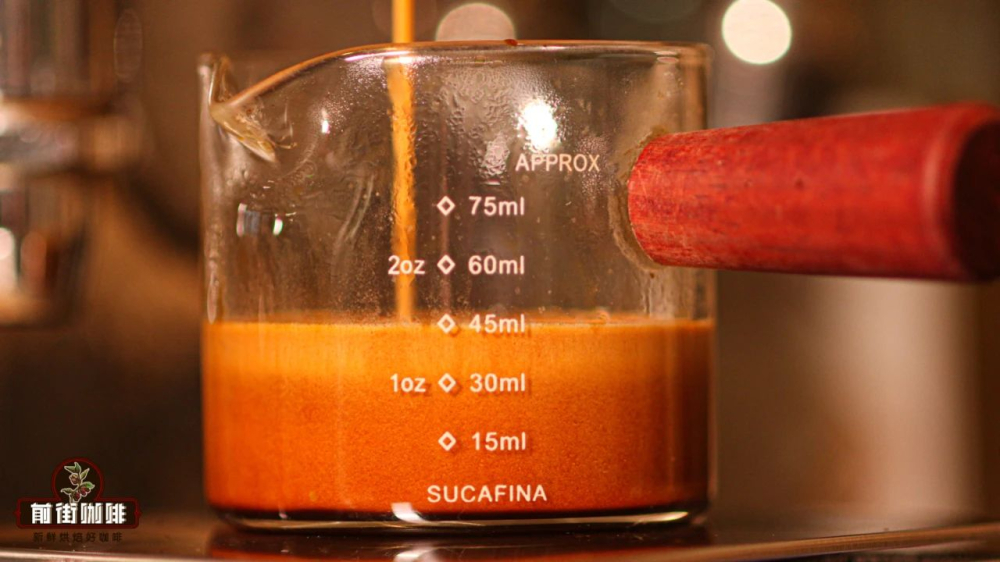
For readers who enjoy fruity and floral flavors, a strawberry sugar-flavored blend with a medium roast is worth trying. These beans often combine honey-processed beans from Costa Rica and Ethiopia, along with a moderate amount of Colombian beans, delivering gentle acidity and berry-like sweetness. The extraction results in delicate crema and a smooth mouthfeel, perfect for those seeking unique flavor layers.
If you want to replicate café-quality espresso at home, consider a commercial blend containing Brazilian, Colombian, and a small amount of Robusta. Although it doesn’t have as complex a flavor profile as high-end premium blends, its stable crema production and rich cocoa and nutty tones provide a solid foundation for lattes or americanos—ideal for daily, high-volume use.
Finally, for those on a budget but still seeking good flavor, a black cocoa blend combining Yunnan washed beans and Brazilian beans is recommended. This bean offers soft fruit acidity, pronounced caramel sweetness, and a finish of dark chocolate and nuts. It’s highly cost-effective, easy to drink, and perfect for everyday home use.
No matter which type of espresso bean you choose,freshnessis the key factor affecting the final flavor. Coffee beans are at their most vibrant in flavor during the first few weeks after roasting, so it’s recommended to choose products with a recent roast date and pay attention to proper storage to maintain optimal condition. Generally, espresso beans enter a degassing period about 4 to 7 days after roasting, after which they reach their peak flavor window and are ready to enjoy.
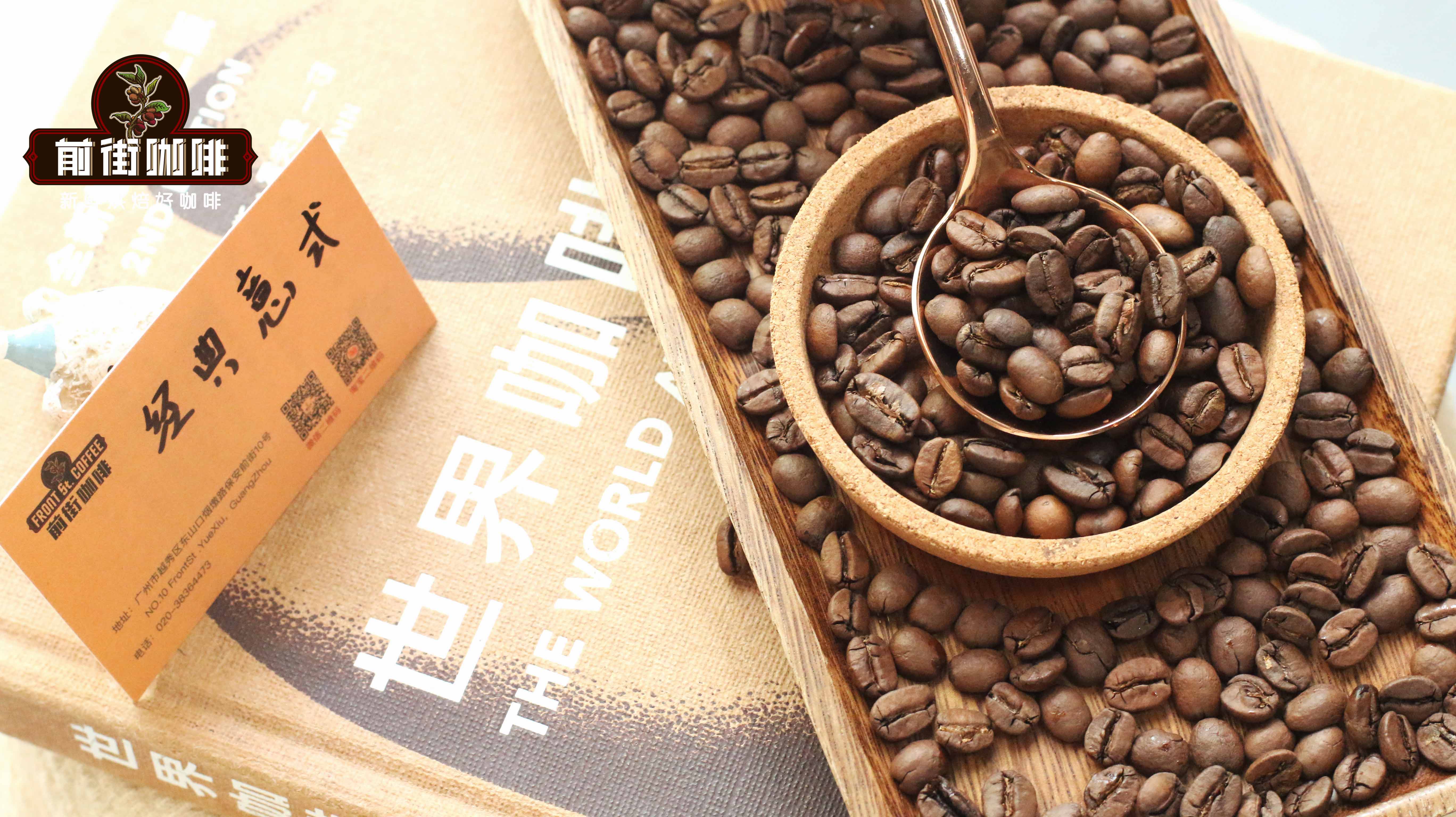
In summary, choosing the right espresso beans involves more than just deciding between a blend or an SOE—it’s also about understanding your own taste preferences, brewing equipment, and usage scenarios. We hope this guide helps you more accurately select the espresso beans that best suit you, taking your home coffee experience to the next level.
The above content is compiled by CoffeeHunters, a coffee news website.


