








Introduction:Want to understand why the KONO filter is especially well-suited for medium to dark roast coffee beans? This article starts with the structure of the filter to analyze how its slow flow rate enhances blooming efficiency and delivers a richer extraction flavor. Using the classic Indonesian Golden Mandheling as an example, it details practical parameters such as coffee dosage, grind size, water temperature, and three-stage pouring techniques to help you master the brewing logic of the KONO filter — and brew a sweet, full-bodied pour over coffee.
Thanks to its unique low-rib design and flow rate characteristics, the KONO filter presents a flavor profile distinctly different from that of the Hario V60 when used for pour over brewing. Its 12 shorter ribs aid in air circulation, improving efficiency during the blooming stage. When paired with a lower brewing chamber, it even creates a pressure environment similar to a siphon effect, resulting in higher initial saturation of the coffee grounds and significantly enhanced extraction concentration. This design allows water to remain in contact with soluble substances longer, making it particularly suitable for medium to dark roasts or bold-bodied coffee beans, fully showcasing their unique flavor characteristics.
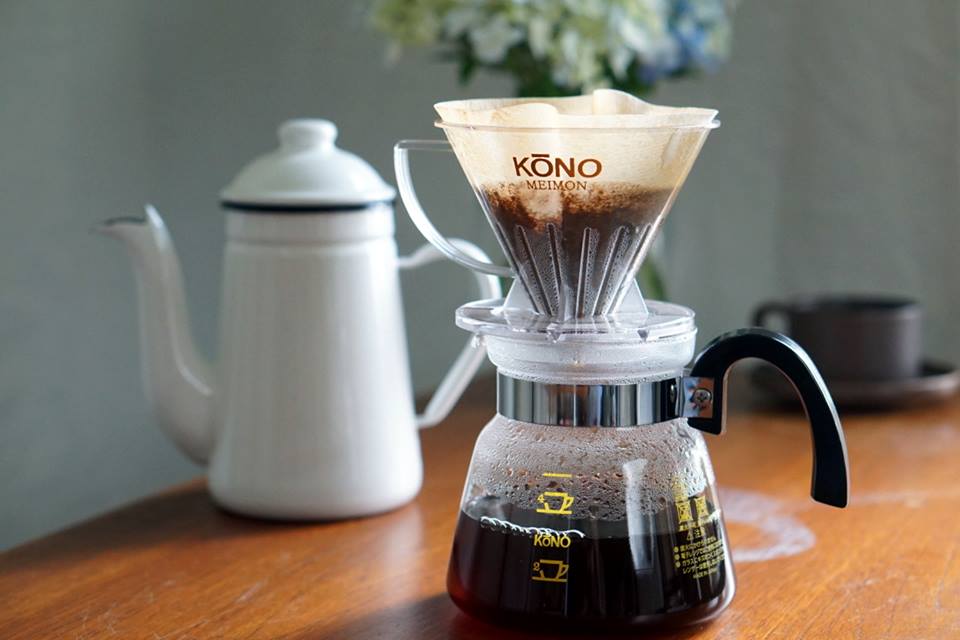
The original intention behind the creation of the KONO filter was to solve the inconvenience of cleaning flannel filters while recreating their flavor profile. Designer Mr. Kono set the angle of the filter close to the conical shape of flannel, allowing the coffee grounds to pile up more centrally and improving water flow convergence. The bottom of the filter has wide openings, making the dripping speed similar to that of flannel. However, to avoid insufficient extraction due to a rapid drop in water level, 12 radial ribs — each only half the length of normal ones — are specially placed on the inner wall, expertly balancing flow rate and extraction evenness.
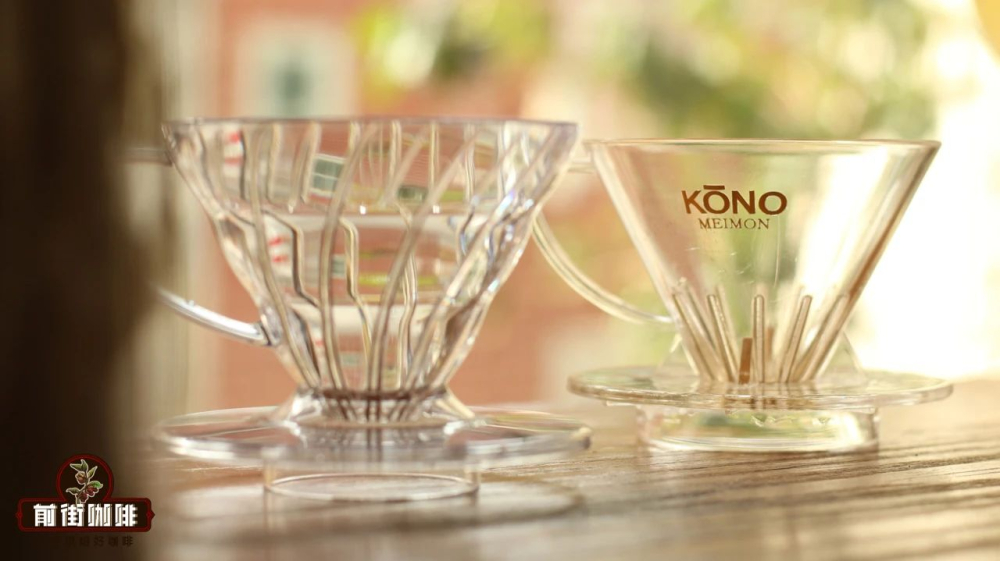
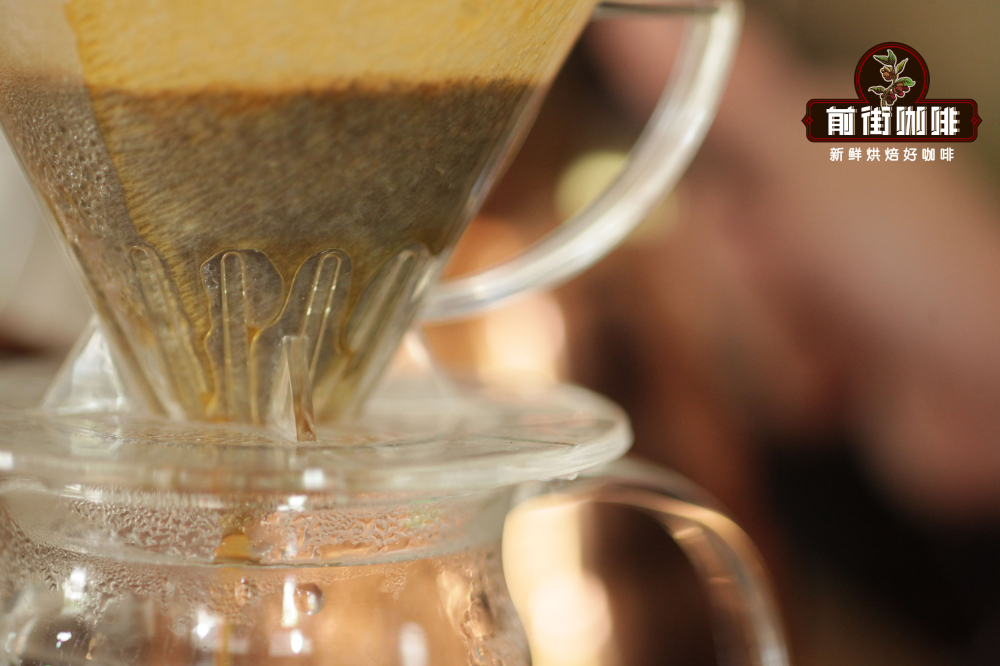
Once the filter paper absorbs water, its smooth surface adheres tightly to the cup walls, leaving the only exhaust channel as the bottom outlet. Affected by gravity, the brewed coffee concentrate drips more directly into the lower chamber, and the restricted exhaust space encourages the coffee grounds to absorb water more thoroughly, leading to more uniform extraction of flavor compounds. This slow flow rate characteristic makes coffee brewed with the KONO filter particularly sweet, full-bodied, and subtly aromatic — ideal for dark roast beans, such as Indonesia’s classic Golden Mandheling.
Take the Golden Mandheling produced by Indonesia’s PWN company as an example. Its wet-hulled processing method brings unique herbal and earthy aromas, while fermentation during drying imparts regional flavors like woody, spicy, and herbal notes. It is recommended to use 15–20g of coffee grounds (for 1–2 servings), with a standard coffee-to-water ratio of 1:15. Because dark roasted coffee beans have a loose and brittle structure, the grind size should be adjusted to medium-coarse (with 70% passing through a Chinese No. 20 sieve, or EK43s setting at 11) to avoid over-extraction and unwanted bitterness.
Water temperature control is key: light roasts suit 91–93°C, while dark roasts should be lowered to 87–88°C to reduce burnt or harsh flavors. The three-stage pouring technique can effectively highlight a rich body and caramel sweetness — first, wet the filter to expel air, then add the coffee grounds and bloom with 30g of water for 30 seconds (avoid extending this time for dark roasts to prevent off-flavors). Next, pour 125g and then 225g of water in circular motions. Total brew time should be controlled within 2 minutes ±10 seconds.
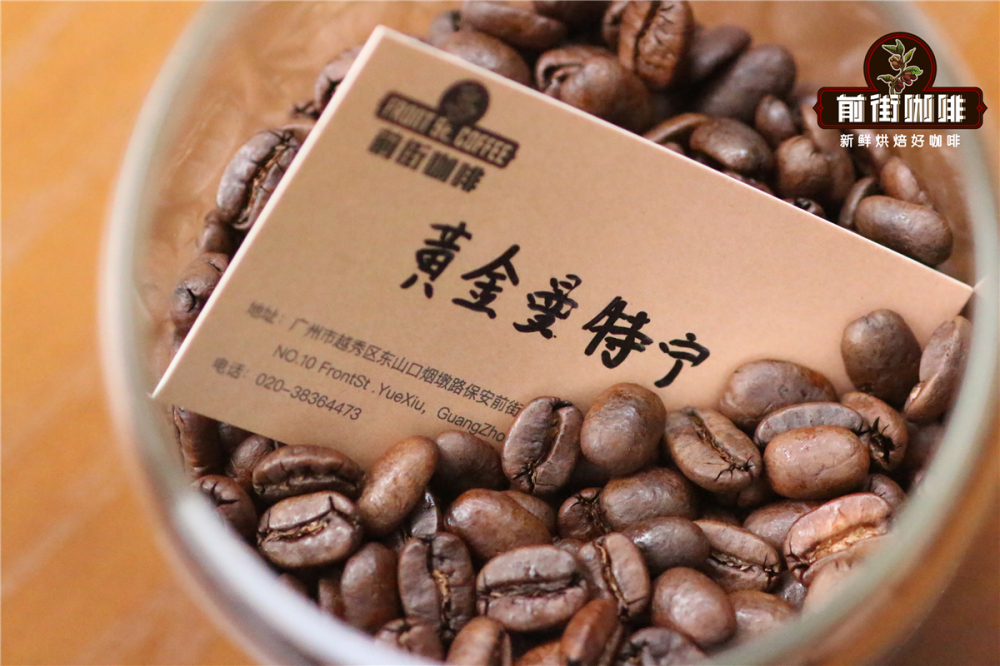
During actual brewing, the Golden Mandheling reveals nutty and toasted bread dry aromas, with caramel sweetness emerging during blooming. On the palate, it offers spice and dark chocolate notes, with a clean, full-bodied texture and long-lasting aftertaste. Note: after wetting the filter, pour out any remaining water in the server; maintain steady pouring during the brew, and begin the second pour once the coffee bed has settled to about half — these small details all affect the final extraction quality.
The above content is compiled by CoffeeHunters, a coffee news website.


