








Introduction:Kenyan coffee is renowned for its intense, bright acidity and unique fruity aroma, making it a top choice for many coffee enthusiasts trying pour over for the first time. This article delves into the distinctive characteristics of Kenyan coffee origins, the K72 washed processing method, its rigorous grading system, and explores the flavor profiles of the SL28 and SL34 varieties. It also provides complete roasting and pour over parameters for two popular Kenyan beans, teaching you how to extract the purest Kenyan flavors.
With its vivid and vibrant acidity, Kenyan coffee holds a prominent place in the global specialty coffee market. This East African coffee not only boasts a layered fruity aroma but also features an elephant-like steady and solid acidity that leaves a deep impression. Many beginners to coffee are often amazed by the intense acidity when they first try Kenyan beans, and this very acidity is one of the most representative features of Kenyan coffee.

When Kenya is mentioned, people might think of the magnificent East African savannah and the spectacular Great Migration, but for coffee enthusiasts, Kenya is also a key origin of specialty coffee. The country’s coffee plantations are mainly located in volcanic soil regions at elevations between 1600 and 2100 meters, and the unique geographical environment gives Kenyan coffee its distinctive flavor characteristics. Due to the lower temperatures at high altitudes, the growth rate of coffee cherries is slower, which helps accumulate flavor compounds, resulting in brighter and more persistent acidity in Kenyan coffee.
Kenya’s coffee industry is supported by both large farms and numerous smallholders, with the majority of coffee produced by small-scale farmers through cooperative models. These coffees are primarily grown around the capital Nairobi and in the Kenyan highlands, where the soil is fertile and well-drained, coupled with suitable climatic conditions, making Kenya one of Africa’s important Arabica coffee producers. Each year, Kenya experiences two harvest seasons: from June to August and from October to December, with the latter accounting for a larger share of production.
The reason Kenyan coffee stands out in the specialty coffee market is largely due to the K72 washed processing method. This method is an improvement on the traditional washed process, involving three rounds of repeated fermentation and washing totaling 72 hours, which imparts a brighter and more delicate acidity to the coffee beans. Compared to conventional washed methods, the K72 process has a longer fermentation time, allowing for more thorough breakdown of the mucilage and retention of more flavor compounds, which is one of the key reasons why Kenyan coffee often exhibits pronounced citrus and dark plum notes.
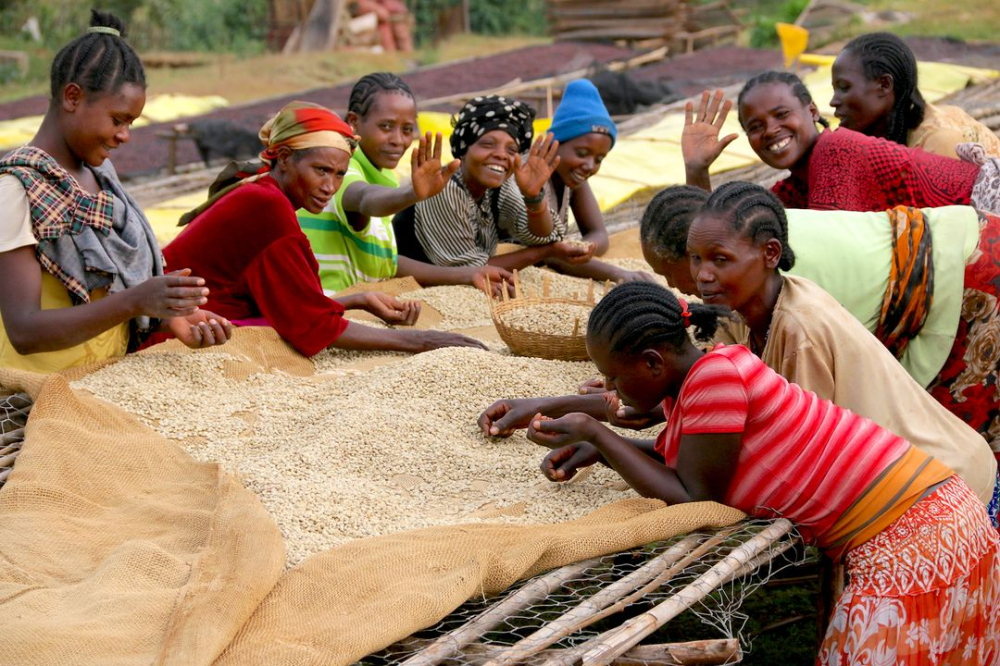
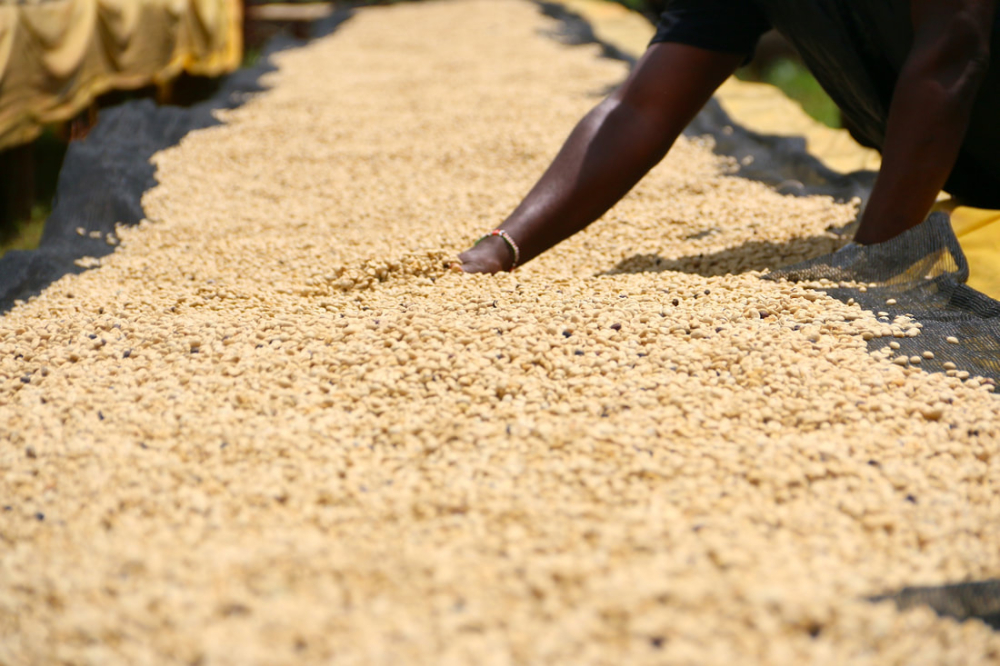
During processing, farmers select ripe coffee cherries with a sweetness level of 21. After careful sorting, the pulp is removed and the beans are placed in water tanks for fermentation. Each fermentation cycle lasts 24 hours and is repeated three times, with fresh water constantly changed to prevent spoilage. Although this complex processing procedure is time-consuming and labor-intensive, it significantly enhances the final quality of the coffee, ensuring each bean bursts with vitality.
Kenya’s coffee grading system is quite rigorous, primarily categorizing beans based on size, shape, and hardness, from highest to lowest as AA, AA+, AB, PB, C, E, and T grades. Among them, AA and AA+ grades usually have the largest bean size (17 to 18 mesh) and are often regarded as symbols of high quality, particularly suitable for pour over. Additionally, Kenya also employs a flavor-based grading system such as TOP, PLUS, and FAQ, further ensuring that the coffee’s flavor performance meets market expectations.
In terms of variety, Kenyan coffee is most famous for SL28 and SL34. Both varieties were carefully selected by the Scott Laboratories in the 1930s, possessing outstanding resilience and high flavor potential. The SL28 variety is widely praised for its bright citrus and dark plum flavors, strong acidity, and rich mouthfeel; whereas SL34 features a richer citrus tone and fuller body, especially suited for high-altitude cultivation, where it can deliver exceptional flavor expression.
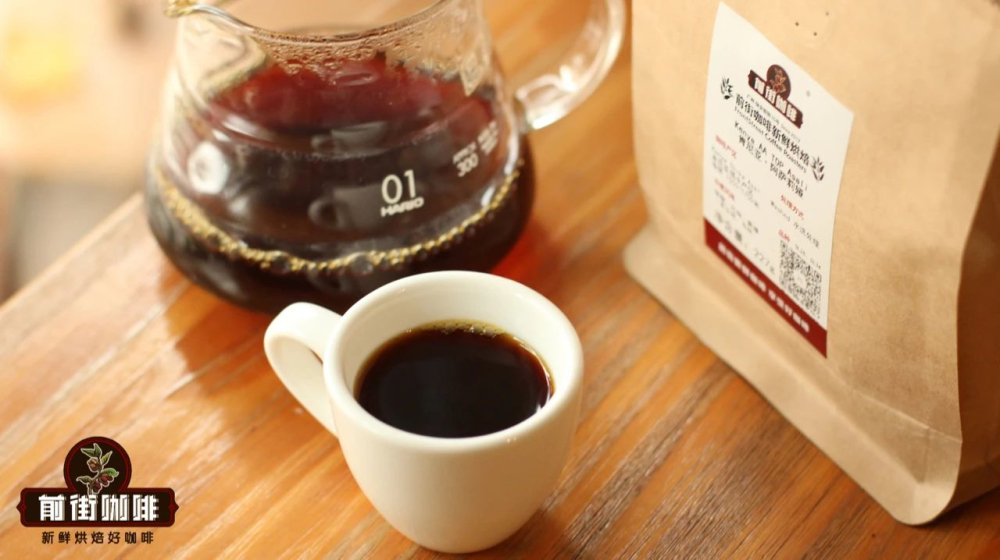
The released 'Kenyan Little Tomato' coffee beans, sourced from the Thika region and using AA TOP grade beans from the Asali Honey Processing Factory, are lightly roasted to preserve the beans’ most original acidity and fruity aroma. It is recommended to use a Hario v60 filter, brewing at 90°C with a 1:15 coffee-to-water ratio for pour over, which fully highlights the complex flavors of tomato, floral, and dark plum. Another offering, the 'Sasini Estate PB', consists of peaberry beans from the Kiambu region, also from the SL28 and SL34 varieties. After washed processing, it presents a honey-like sweetness and bright acidity, making it an unmissable choice for coffee lovers who enjoy fruity profiles.
Whether you’re a beginner just starting with pour over or a seasoned coffee enthusiast seeking fresh flavors, Kenyan coffee can offer you a unique taste experience. From understanding the origin terroir and processing methods to mastering pour over parameters, every step is key to gaining a deeper insight into this classic coffee. Why not try it yourself and extract your own version of Kenyan coffee flavor in a way that suits you?
The above content is compiled by CoffeeHunters, a coffee news website.


