








Introduction:Latte and cappuccino are often mistakenly thought to be just coffees that differ in cup size or milk foam, but in reality, there are clear differences in milk foam ratio, coffee flavor, and even cup selection. This article delves into the production details of these two classic Italian-style coffees, including ingredient ratios, milk foam techniques, suitable cup types, and also extends to introducing the characteristics of the recently popular Dirty coffee. Whether you're a coffee beginner or an enthusiast looking to refine your pour over skills, you can gain key knowledge on distinguishing and making these drinks.
Walk into any café, and you'll find latte (Latte) and cappuccino (Cappuccino) are almost always staple items on the menu. Many consumers assume these two coffees only differ in serving size or the thickness of the milk foam, but in fact, they vary significantly in formulation ratio, milk foam texture, and drinking experience. This article will analyze their essential differences from multiple angles, helping you understand how to distinguish between a latte and a cappuccino based on appearance and taste, and further explore their historical origins and preparation tips.

Whether at a chain coffee shop or an independent specialty café, lattes and cappuccinos are almost essential drinks. Many people intuitively think the two are just different in volume or milk foam, but the truth is far more complex than imagined. Next, let’s break down their differences one by one, from ingredients, milk foam techniques, to cup selection.
Let’s start with latte coffee. The word "Latte" comes from Italian, meaning "milk." Latte coffee is actually a combination of espresso and milk, belonging to the category of flavored coffee. It's worth noting that LATTE originally meant just milk, so the more accurate name for latte coffee should be "Caffè Latte." Strictly speaking, latte is not synonymous with coffee, because there are many non-coffee latte beverages on the market, such as matcha latte or black tea latte, but they all share one key ingredient: milk.
It is said that the prototype of latte coffee first appeared in Vienna, the city of music. In the 17th century, after the withdrawal of the Turkish army, a large amount of coffee beans were left behind, which became the raw material for the city’s first café. To cater to European tastes, the shop filtered out the coffee grounds and added a lot of milk, turning the originally bitter black coffee into something smooth and sweet, eventually evolving into the classic way of drinking milk coffee, which gradually spread around the world.
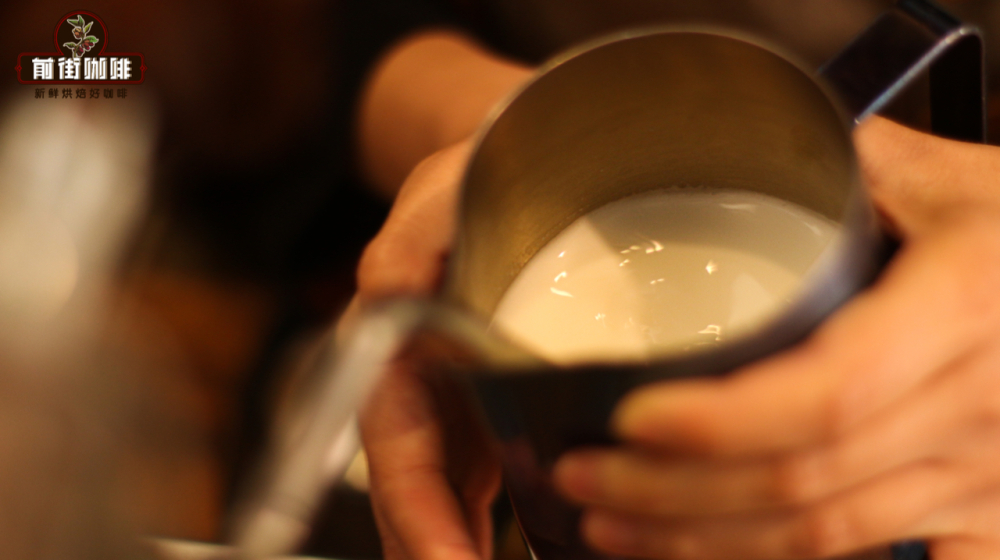
Although the basic recipe for latte is simple—mainly espresso and milk—there is no fixed standard for the ratio, with common ranges being approximately 1:5 to 1:8. Some baristas prefer a 1:6 ratio, such as using 40 grams of espresso liquid with 240 grams of milk. When making hot latte, the espresso is usually poured into a preheated cup first, then the milk is steamed using the steam wand of an espresso machine, with the recommended temperature controlled between 55–65°C to achieve a dense yet moderately thick layer of milk foam. Finally, it is mixed with the coffee liquid, and creating beautiful latte art is an added bonus.
If you want to try making latte at home, it is recommended to use medium-dark roasted blends, such as beans with chocolate, nut, and cookie-like flavor profiles, which pair excellently with milk. For iced latte, you can put 90 grams of ice cubes and 150 milliliters of fresh milk into a 300-milliliter cup, then extract 20 grams of coffee powder to get 40 grams of coffee liquid and pour it on top. Stir and enjoy the smooth, chocolatey aftertaste in a cool drink.
Also, when talking about iced latte, we can't ignore the Dirty coffee, which has become a craze in the coffee scene in recent years, also known as "dirty coffee." The highlight of this drink is pouring hot espresso directly into cold milk, creating a visual and taste contrast with layers. The espresso flows slowly down the inner wall of the cup, as if it's being "dirtied." Dirty coffee is usually served in smaller cups and is best enjoyed immediately to fully experience the unique flavor of the blend of hot and cold.

Now let’s look at cappuccino. Regarding the origin of this coffee, the most widely accepted theory is that its name derives from the German word "Kapuziner," meaning "monk," and is related to a certain historical coffee beverage. It is said that this drink first appeared in 18th-century Vienna, where, to improve the rough texture of coffee mixed with grounds and water, someone used a cloth bag to filter out the coffee grounds, then added honey, spices, and cream, resulting in a reddish-brown color similar to the robes of the Capuchin friars, hence the name "Kapuziner."
With the development of Italian espresso technology, this beverage was introduced to Italy and gradually evolved into the cappuccino we know today. Italians switched to using espresso and replaced the cream with milk whipped into dense foam, while also using a spoon to shape the surface foam into something resembling a monk’s hat. It was eventually named Cappuccino. As for the original Kapuziner, it is now more commonly referred to as Viennese coffee.
So how exactly is cappuccino made? In terms of basic composition, it consists of espresso, milk, and milk foam, just like latte, but the key difference lies in the proportion of milk foam: cappuccino uses more foam, while latte is primarily milk-based. Some methods even use double shots of espresso to make the coffee flavor richer. Generally, cappuccino is served in smaller cups, highlighting the aroma of the coffee itself, while latte, with its higher milk ratio, has a smoother overall taste and is suitable for those who prefer milky flavors.
In terms of cup selection, cappuccino is usually served in shorter, wider ceramic cups, with the milk foam higher than the rim, looking full and less likely to spill; whereas latte only needs a thin layer of foam, with the focus on the smooth texture resulting from the blend of milk and coffee. Additionally, cappuccino foam is steamed thicker, typically around 2.5 to 3 centimeters, while latte foam is thinner and more delicate, requiring higher skill in steaming to balance fluidity and gloss.
Regarding the standard ratio of cappuccino, the most widely circulated version is that coffee, milk, and foam each account for one-third. For example, using a 6-ounce (approximately 177-milliliter) cup, it usually consists of a double shot of espresso (about 60 milliliters), 60 milliliters of hot milk, and 60 milliliters of foam. This combination means the first few sips have more foam, with the stronger coffee at the bottom, so adjustments are often made according to taste during actual preparation.
If you want to make cappuccino at home, it is recommended to use 20 grams of coffee powder to extract 40 grams of coffee liquid in about 25–30 seconds, paired with 120 milliliters of fresh milk to produce about 3 centimeters of foam, with the temperature controlled between 55–60°C. The resulting cappuccino will have rich foam with nutty aromas, and upon drinking, you’ll experience the layers of strong coffee and dense foam, possibly with a subtle cocoa aftertaste that lingers delightfully.
The above content is compiled by CoffeeHunters, a coffee news website.


