







Introduction:Delve into Ethiopia’s renowned Southern regions of Sidama and Guji, analyzing the aroma profiles and flavor structures of their washed G2-grade coffees, while exploring how local geography, cultivation environments, and microclimates influence their flavor characteristics. This article also offers practical brewing references and purchasing advice to help coffee enthusiasts find representative flavors that suit their personal taste preferences.
The Sidama and Guji regions in southern Ethiopia are important birthplaces of the country’s specialty coffee, celebrated for their diverse microclimates and rich native coffee varieties. Though not the top-tier G1 grade, the washed G2 coffees from these two areas still possess high flavor distinctiveness and drinking value, making them especially appealing to pour over enthusiasts who favor fruity and floral profiles.
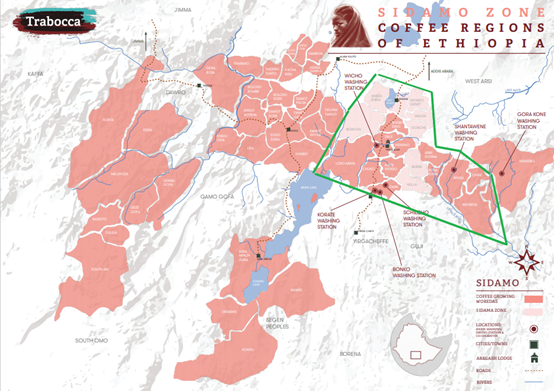
Located on the southern edge of the East African Rift Valley with varied terrain and high altitudes, Sidama is a major agricultural hub in the country, and its central city Hawassa serves as an important gateway for coffee exports. The coffee-growing environment here is significantly influenced by microclimates and soil variations, so even within the same region, coffees produced in different villages or towns often exhibit distinctly unique flavor personalities, ranging from mild floral-fruity notes to fresh citrus tones.
Neighboring Shakisso, situated at the border between Guji and Oromia, is geographically remote with complex terrain. The area has previously faced instability in security and farming conditions due to gold mining activities. Nevertheless, the coffee produced here, benefiting from high altitudes and shaded cultivation, displays intense and layered aromatic characteristics, making it a hidden gem sought after by many specialty coffee buyers. However, challenges such as labor shortages and infrastructure limitations still affect the region’s coffee yield and quality consistency.
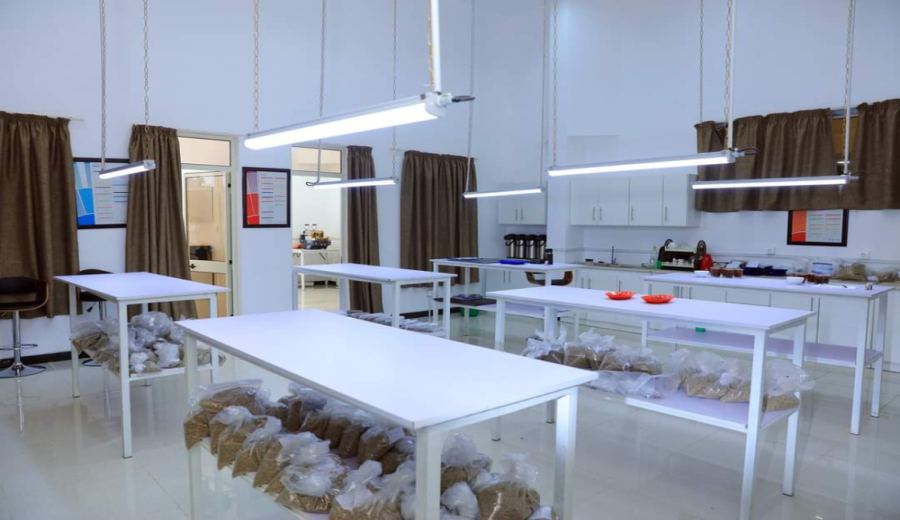
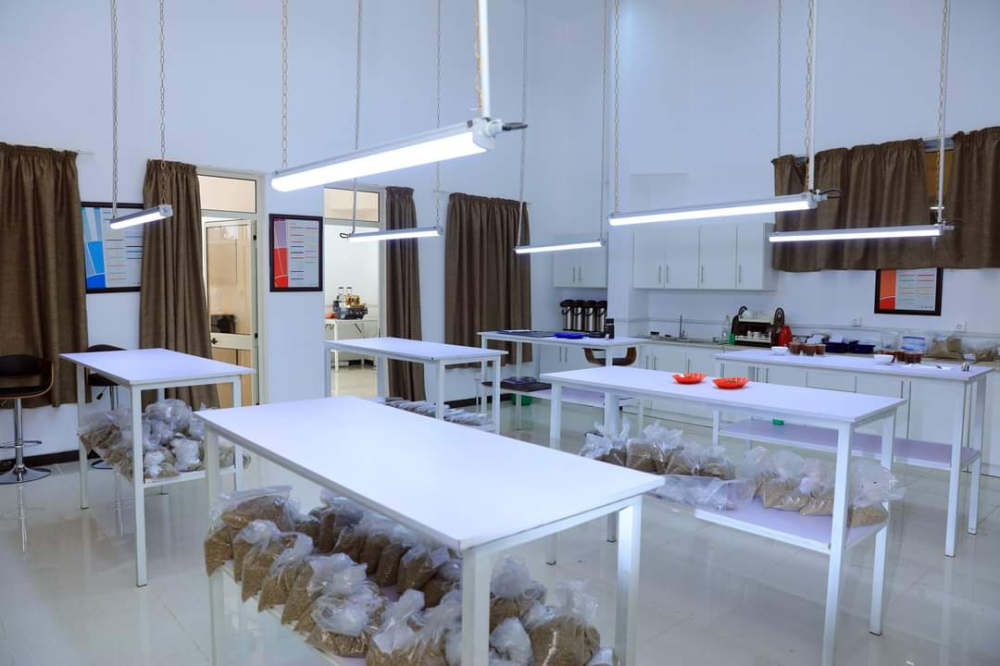
Hambela Woreda in Guji has emerged as a new hotspot in Ethiopia’s coffee industry in recent years. Over the past five years, Dutch trader Trabocca has actively collaborated with local producers—not only donating cupping labs but also enhancing planting and post-harvest practices through technical guidance and quality management systems. The region’s high-altitude environment and native tree varieties result in washed G2 coffees with pronounced floral and fruity acidity traits, along with a balanced flavor structure, making them suitable both as single-origin offerings and as blending bases.
Taking washed Sidama G2 coffee as an example, its common flavor profile includes bright lemon and citrus notes paired with gentle acidity and a sweet finish, often accompanied by magnolia-like floral aromas and a green-tea freshness. On the palate, it exhibits clear layering with a lingering aftertaste that often brings a nutty or almond-like warmth. For consumers trying light-to-medium roasted single-origin coffees for the first time, it is a friendly and easily recognizable option.
In terms of brewing recommendations, a medium-fine grind (similar to granulated sugar) is suggested, with water temperature controlled between 90–92°C. Using a staged pour over method—such as the three-pour technique—can effectively highlight its floral-fruity aromas and crisp acidity. A total coffee-to-water ratio of 1:15 to 1:16 is advisable, with a brewing time of around 2 minutes 30 seconds to 3 minutes helping to balance body and aroma expression.
For those preferring espresso extraction, medium to medium-dark roasted G2 beans are recommended, as they help bring out sweetness and moderate caramel notes, along with more pronounced crema. These are well-suited as the base for daily milk-based coffee drinks. Additionally, if you want to deeply experience the fruity-floral profiles of the Sidama region, look for washed batches from high-altitude villages like Alo—these often feature more prominent lemon, guava, and black tea notes in the aftertaste, making them ideal for cupping or sharing as single-origin pours.
In summary, though not top-grade, the washed G2 coffees from Sidama and Guji boast diverse flavor characteristics, excellent cost-performance, and distinctive regional identities, making them undoubtedly essential entry points for exploring Ethiopia’s specialty coffee. Whether brewed using pour over or espresso methods, they showcase the unique aromatic depth and flavor charm of the region.
The above content is compiled by CoffeeHunters, a coffee news website.


