







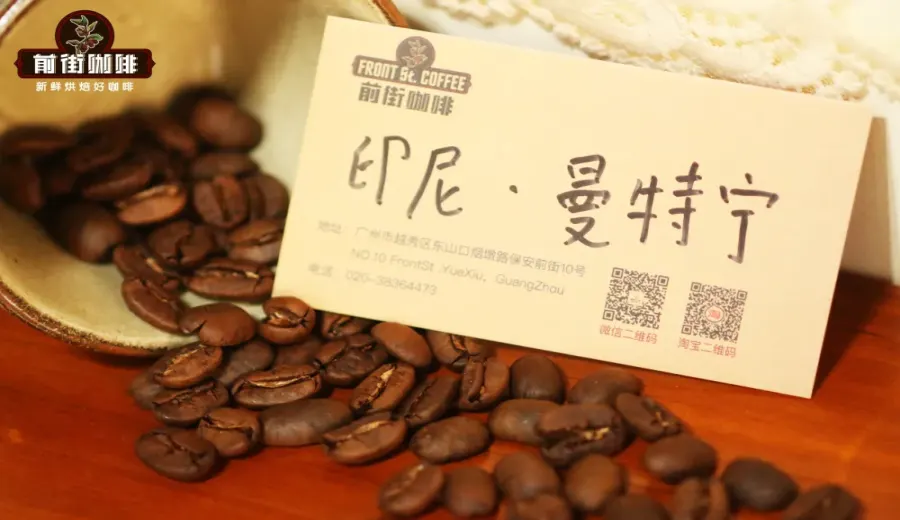
Introduction:Want to understand the unique charm of Sumatra Mandheling? This article delves into the origins of this classic Indonesian coffee by exploring its growing regions, geography, climate, processing methods, grading systems, and well-known brands. Whether you're just starting out or a seasoned coffee enthusiast, you'll gain key insights for selection and appreciation.
Mandheling is one of Indonesia’s most representative Arabica coffees, and many people also commonly refer to it as "Sumatra coffee." This name is not just a symbol of the region—it also embodies the area’s unique geography, volcanic soil, early harvest season, and the essence of core producing areas such as Lintong, Lake Toba, Lake Tawar, and the Gayo highlands.
Indonesia is a major global coffee producer, and among its islands, Sumatra is not only the largest (ranking sixth in the world) but also boasts an exceptionally rich coffee ecosystem. Stretching from northwest to southeast with the equator running through its center, the island features diverse microclimates and terrains. The rugged northwest, home to the continuous Barisan Mountain Range, is the primary growing area for Arabica coffee; in contrast, the southeast consists mainly of lowland plains and swamps, where Robusta is more commonly cultivated. Sumatra is home to over 90 volcanoes and numerous volcanic lakes, providing fertile soil. Its proximity to the equator also results in an earlier harvest season compared to other parts of Indonesia, typically lasting from November to March each year.
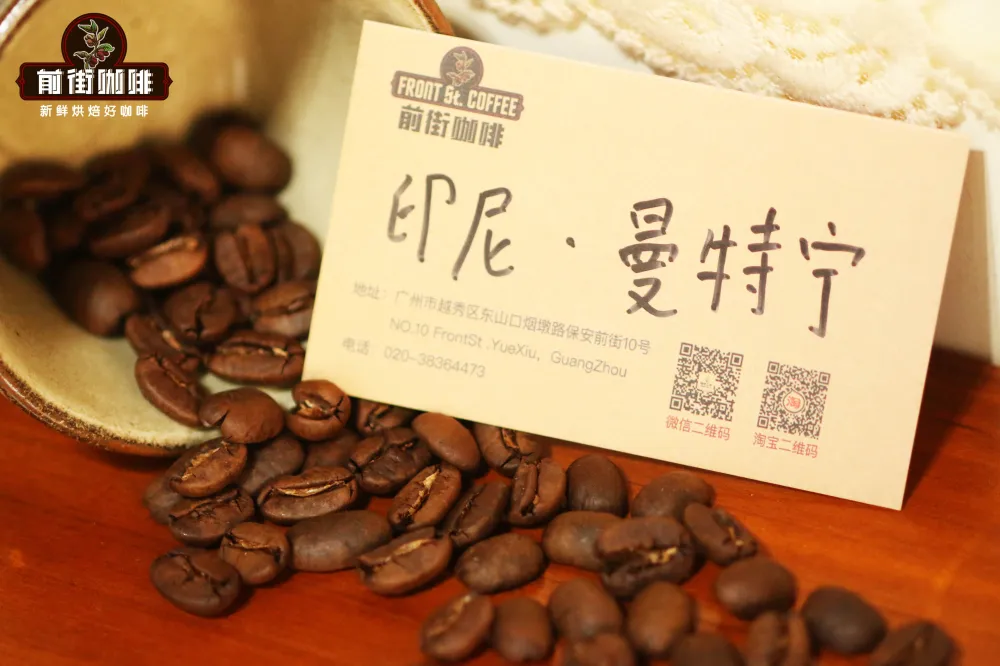
Indonesia has numerous coffee-growing regions, including Java, Sulawesi, and Sumatra, with around 90% being Robusta. However, Sumatra’s “Mandheling” stands out and has become a focal point in the specialty coffee market. Among the refined Arabica varieties grown in northern Sumatra, Lintong and Mandheling are the most common market names. Lintong refers to a small high-altitude area located southwest of Lake Toba within the Lintong administrative region. The terrain here is varied, covered with clay plateaus rich in ferns, at higher elevations, and coffee is mostly grown on small-scale private farms without shade or chemical inputs. The term Mandheling, on the other hand, broadly refers to coffee grown in similar environments, including Lintong and surrounding areas such as Diari (capital: Sidikalang) and the northern part of Lake Toba.
Lintong Mandheling is produced in central-northern Sumatra, near Lake Toba. It is an entry-level Mandheling option, with relatively affordable pricing, making it ideal for coffee lovers new to Sumatran flavors. Its flavor profile often includes herbal, pine, roasted aromas, and caramel sweetness—making it a great choice for experiencing traditional Mandheling characteristics.
Lake Toba, located in central North Sumatra, was a crucial site during the Dutch colonial period when "Java Mandheling" plantations were moved northward, and it has had a profound impact on the development of modern Mandheling. Meanwhile, Lake Tawar, located at the northern tip of Sumatra in the special region of Aceh, is smaller in size but serves as one of the area’s important water sources.
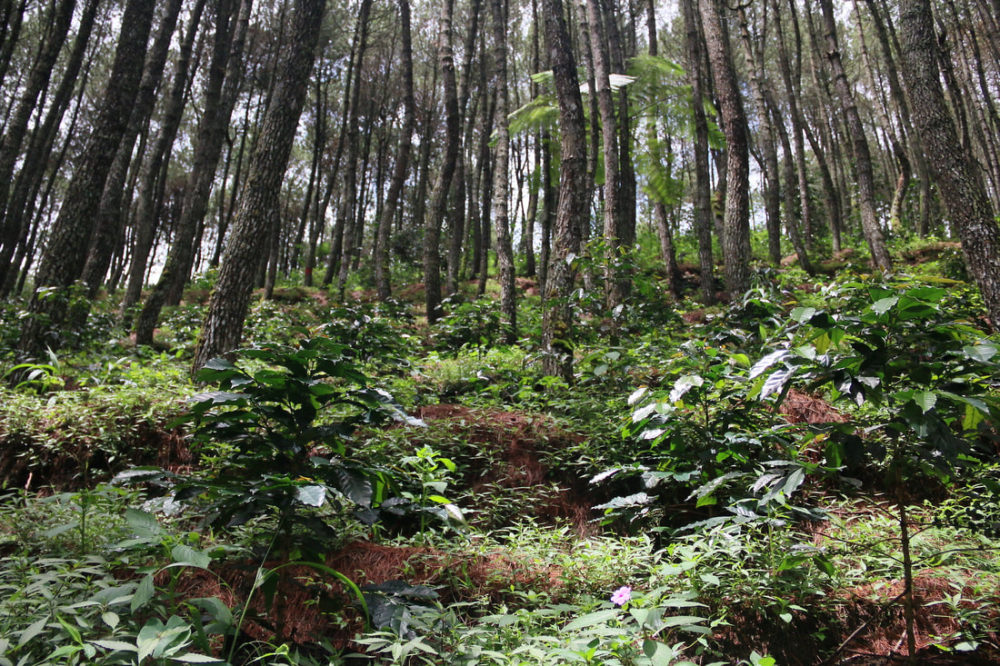
Currently, the highest-quality coffee in the Sumatra region mostly comes from the Gayo highlands. This plateau in Aceh Province sits at elevations between 1,500 and 2,500 meters, featuring a cool climate, abundant rainfall, fertile soil, and ample water supply from Lake Tawar—creating an ideal environment for coffee cultivation. The coffee here is primarily grown by the indigenous Gayo people, who generally practice traditional organic farming without chemical fertilizers. As a result, Gayo coffee is often referred to as "green coffee" or "organic coffee," and enjoys a unique sustainable image in the global market.
Traditional Mandheling coffee is usually processed using the "wet hulling" (Giling Basah) method. This approach involves short fermentation times but long drying periods, resulting in lower acidity but a rich, bold mouthfeel—the most iconic flavor trait of this coffee. However, because wet hulling removes the parchment layer while the beans are still semi-dry, exposing them directly to high temperature and humidity, improper handling can easily lead to off-flavors like earthiness or grassiness, and may even increase defect rates. Therefore, rigorous post-harvest processing and quality control are essential for achieving high-quality Mandheling.
Indonesia grades its green coffee beans primarily based on the percentage of defective beans, supplemented by bean size. There are six grades in total, ranging from G1 to G6, with G1 being the highest. To qualify as G1, a 300-gram sample must have no more than three defective beans, and the beans must be 18 mesh size or larger. Well-known Mandheling products on the market all fall under the G1 grade, featuring neat appearances and deep green colors as hallmarks of high quality.
When it comes to "Golden Mandheling," one must mention PWN—the abbreviation for Pwani Coffee Company. This company holds a highly reputable position in Indonesia’s coffee industry, primarily responsible for sourcing top-tier Mandheling green beans from various producing regions, covering nearly all of Indonesia’s finest growing areas. Through multiple rounds of manual sorting, PWN carefully selects flawless, plump coffee beans that ultimately qualify as "Golden Mandheling." As a result, its price is relatively higher, but the quality is more assured. Consumers can purchase it through trusted channels such as the official Tmall flagship store or Taobao shops.
It’s worth noting that PWN has registered "Golden Mandheling" as a trademark, meaning that only Golden Mandheling produced by PWN is considered the officially certified authentic version. Many unauthorized coffee beans on the market that claim the "Golden Mandheling" name can, in reality, only be classified as general "specialty Mandheling." Consumers should pay special attention when making their selections.
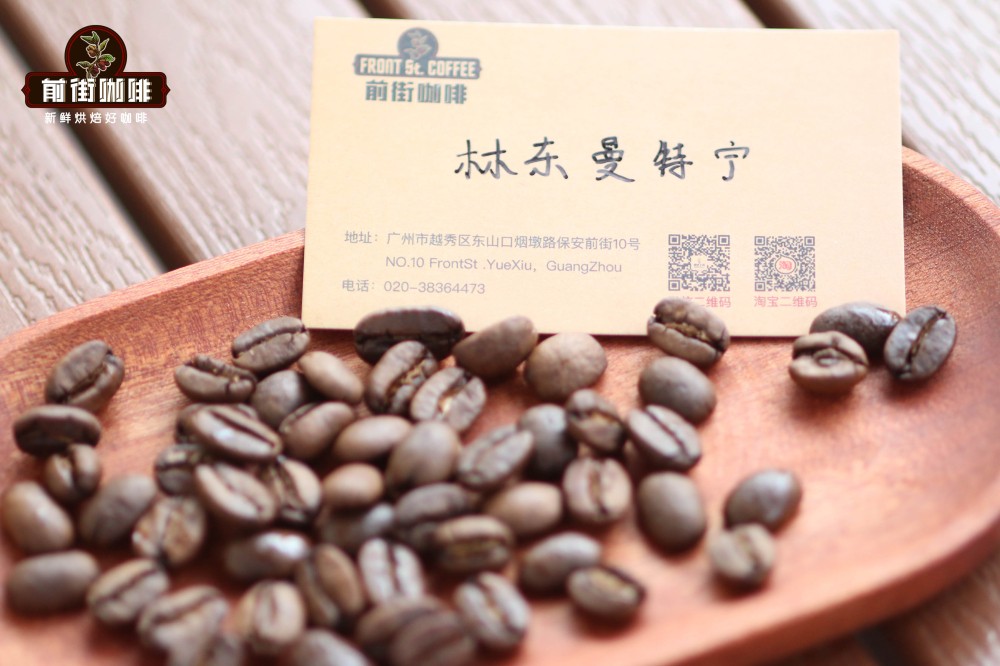
The above content is compiled by CoffeeHunters, a coffee news website.


