







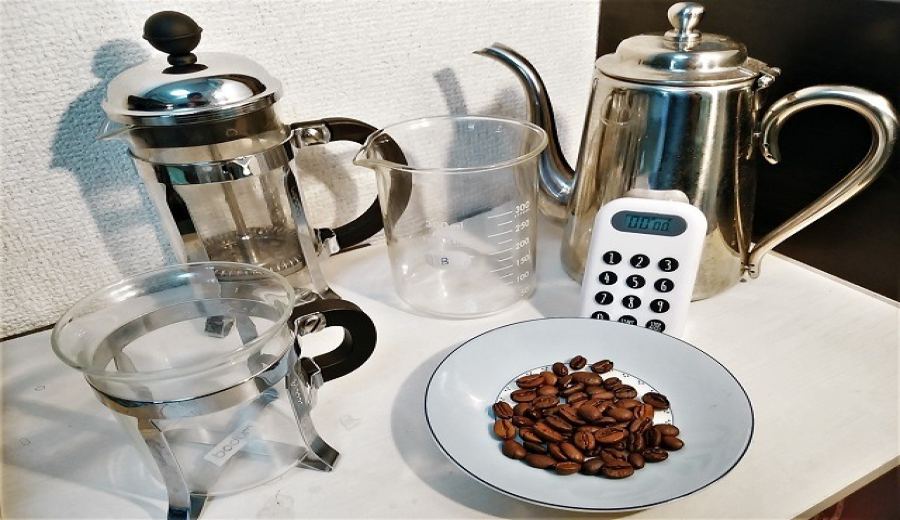
Introduction:The French press is the starting point for many coffee beginners entering the world of pour over brewing. Its simple operation can still showcase the true flavors of coffee beans. This article details the full process—from bean selection, grind size, water temperature control to the standard 4-minute extraction—to help you master the characteristics of the metal filter, appropriate coffee-to-water ratios, and how to avoid common beginner pitfalls like over-extraction and sediment issues. With this most basic equipment, you can consistently brew a cup of coffee with clear layers and rich aroma.
Thanks to its ease of use and intuitive flavor presentation, the French press has long been a practical tool in the daily lives of coffee enthusiasts. However, if you want to brew a cup of coffee with balanced and clean flavors using it, every step—from bean freshness, grind coarseness, pouring technique to steeping time—holds hidden knowledge. This article will walk you through the complete process of using a French press, including equipment preparation, recommended coffee dosage, pouring rhythm, blooming wait time, plunger operation, and pouring techniques. It also delves into why using fresh, coarsely ground coffee and strictly controlling the 4-minute extraction time are key to the success of a cup of coffee. In addition, some practical details are provided to help you more easily replicate a cup of coffee with clear aroma and smooth mouthfeel.
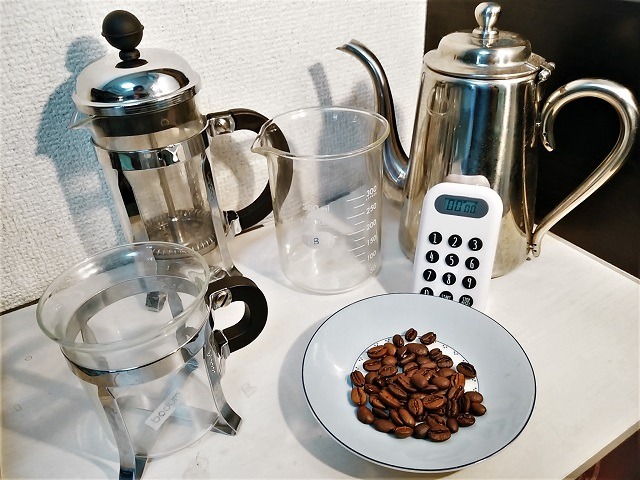
Commonly available French presses on the market mainly come in two capacities: 350 milliliters and 500 milliliters, with slightly different recommended coffee dosages: a 350 ml press typically uses 15 to 18 grams of coffee, while a 500 ml one requires about 25 grams. These figures are for reference only; in practice, you can adjust the amount flexibly based on personal taste preferences and the characteristics of the selected coffee beans. This is also part of the fun in experiencing different extraction profiles.
Brewing coffee with a French press places certain requirements on the state of the coffee grounds. While pre-ground coffee available in stores can be used, there are two key points that should not be overlooked for achieving ideal extraction flavors: freshness and grind coarseness. The standout feature of the French press is its ability to faithfully present the inherent flavor characteristics of the coffee beans, without the interference of paper filters. Therefore, using stale beans will directly amplify undesirable off-flavors, so it’s recommended to choose freshly roasted coffee beans whenever possible. Additionally, the metal filter of a French press has relatively large pores; if medium-fine or fine coffee grounds are used, fine particles can easily pass through the filter into the coffee liquid, affecting the mouthfeel. Thus, it's recommended to use coarsely ground coffee. If you only have medium-ground coffee on hand, it’s better to switch to whole beans and grind them yourself for better extraction results.
Now let’s look at the actual operation process of the French press. First, place an appropriate amount of coffee grounds into the French press and gently level them. Before pouring hot water, remember to set your timer—the target extraction time is4 minutes 00 seconds (with a tolerance of ±30 seconds), which is currently recognized as the standard time that best balances flavor and extraction efficiency. Going beyond 5 minutes can easily lead to over-extraction, resulting in bitter and astringent off-flavors; less than 3 minutes may result in under-extraction, making the flavors seem thin. It’s recommended to use the timer built into your phone or a professional kitchen timer to ensure precise time control.
Preparation includes boiling hot water and allowing it to cool slightly to a suitable brewing temperature (usually around 90–96°C), as well as having the French press, timer, and other tools ready. When starting to pour water, first pour about1/2 to 1/3of the French press’s capacity, and start the timer simultaneously. This step is recommended to be done quickly to avoid delaying the start of extraction. When pouring, allow the water to flow slowly along the inner wall of the press rather than directly hitting the coffee grounds. This helps to evenly wet the coffee and avoids splashing. If using freshly roasted coffee beans, you’ll usually observe slight expansion of the grounds at this stage. It’s suggested to wait for about30 secondsto let it stabilize. This stage is called “blooming” and helps release aroma and flavor.
After blooming, continue pouring until the water level is about1.5 to 2 centimetersbelow the rim of the press. This time, you can pour slowly in a circular motion to help the coffee grounds uniformly suspend and settle, achieving a more consistent extraction. Once pouring is complete, gently place the plunger (the metal filter part) on top. It is recommended to position the plunger close to but not pressing down on the coffee grounds, and you can also turn the spout on the lid to the closed position to help maintain the temperature and aroma inside the press. Meanwhile, you can use the waiting time to preheat your server and coffee cups with the remaining hot water to prevent the coffee from cooling too quickly after pouring.
When the timer goes off, signaling the end of the 4-minute extraction, carefully press down the plunger. The pressing process should take about3 to 5 seconds, with a smooth and vertical motion. Pressing too quickly may cause fine particles to mix into the coffee liquid, while pressing too slowly may extend the overall extraction time. Once fully pressed down, you can pour the coffee into a server or cup. Note that if you’re only pouring one cup, leaving the rest in the press for too long will continue the extraction process, potentially leading to over-extraction. However, it’s also not advisable to pour out the bottom sediment (which contains a lot of fine particles), as it can make the coffee taste murky. It’s best to judge the amount you pour out to avoid negatively impacting the overall flavor with the bottom sediment.
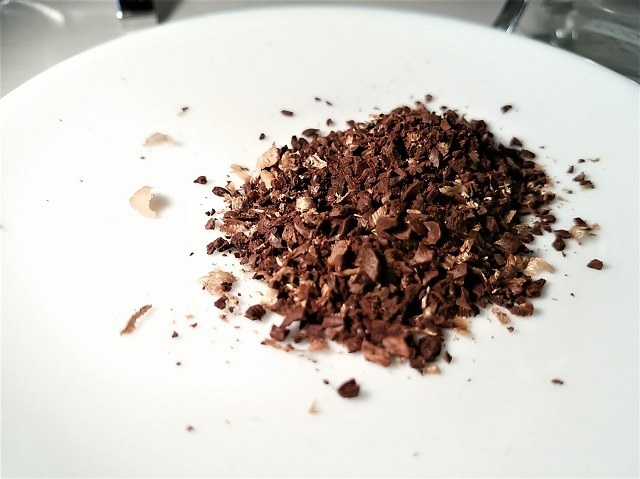
Summing up the above steps, the main factors influencing the flavor of French press coffee include: using fresh, coarsely ground coffee beans, precisely controlling the4 minutes 00 seconds (±30 seconds)extraction time, first pouring indirectly about 1/2 to 1/3 of the press’s capacity while starting the timer, then evenly pouring to an appropriate level and covering with the lid, avoiding direct impact on the coffee grounds during pouring, slowly and vertically pressing the plunger, and avoiding pouring the bottom sediment into your cup. By mastering these key points, even a coffee novice can easily brew a cup of coffee with clear flavor and smooth mouthfeel using a French press, enjoying the pleasure and sense of achievement from pour over brewing.
The above content is compiled by CoffeeHunters, a coffee news website.


