








Introduction:As the world’s largest coffee-producing country, Brazil is renowned for its Arabica beans, which are widely loved for their sweet and full-bodied characteristics. This article delves into the traits of Brazil’s mainstream Red Bourbon and Yellow Bourbon varieties, exploring everything from processing methods and flavor profiles to suitable brewing techniques. It also extends to examining classic Italian espresso blends that include Brazilian beans, helping readers fully grasp the flavor expression and application scenarios of Brazilian coffee.
Brazil is not only the world’s top coffee producer but also the second-largest consumer market, holding a pivotal position in the industry chain. To gain an in-depth understanding of Brazilian coffee, one cannot overlook its most representative Arabica varieties—Red Bourbon and Yellow Bourbon. These two bean varieties, known for their stable yields and captivating flavor profiles, are often the first choice for many coffee enthusiasts exploring the flavors of Brazil.

When it comes to Brazilian coffee, many people’s first impression is its rich notes of nuts and chocolate. This flavor characteristic primarily stems from Brazil’s unique geographical environment and the semi-washed or natural processing methods commonly used locally. This article will focus on two classic single-origin Brazilian beans—the carefully selected Cerrado Red Bourbon and the Queen’s Estate Yellow Bourbon—taking you through their variety origins, processing techniques, and actual flavor performances to reveal the charm of Brazilian Arabica.
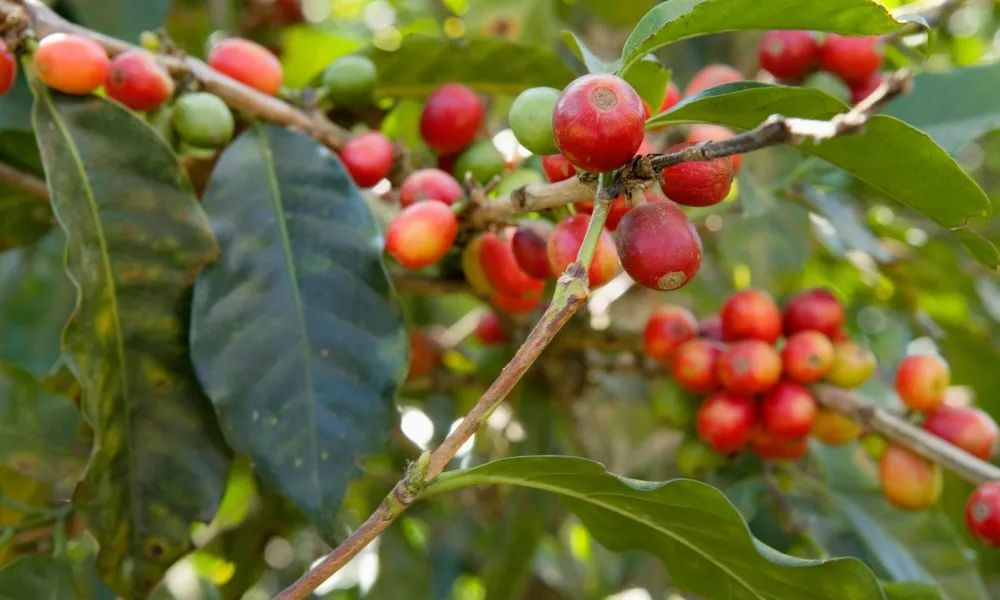
The naming of Red Bourbon and Yellow Bourbon comes from the color of the coffee cherries when ripe. Red Bourbon is harvested when the cherries turn red, while Yellow Bourbon displays a bright yellow hue. It is believed to be a crossbreed of Red Bourbon with other varieties and was first cultivated and widely planted in Brazil. Yellow Bourbon has relatively lower yields and higher growing environment requirements, so it is less commonly grown on a large scale. However, it possesses unique layers of aroma. Generally speaking, Yellow Bourbon offers a more pronounced sweetness with a touch of mild fruit acidity, and its flavor complexity surpasses that of Red Bourbon.
In terms of processing methods, the Cerrado Red Bourbon uses the semi-washed process, which helps retain some of the pulp’s sugars, thereby enhancing the coffee’s sweetness and body. After brewing, the first sensation is a distinct sweetness, followed by flavors interwoven with cream, peanuts, and chocolate, resulting in an overall warm and balanced profile. In contrast, the Yellow Bourbon employs the natural (full sun-dried) process, allowing the sugars from the pulp to more thoroughly penetrate the seed. This bean delivers a more direct and intense sweetness, along with subtle fruity acidity alongside nutty aromas, adding more layers and complexity to the overall taste.

Beyond single-origin coffees, many coffee enthusiasts also enjoy experiencing the influence of Brazilian beans through Italian-style blends. For consumers who prefer pure Arabica flavors, blends with a high proportion of Brazilian beans are recommended, such as the Premium Blend and Dark Cocoa Base Blend. These two formulas not only showcase the distinctive nutty and chocolatey tones of Brazilian beans but also feature complex aromas like almond and walnut, making them suitable for various espresso and milk coffee preparations.
Among them, the Premium Blend combines the caramel and chocolate flavors of Colombian beans with moderate acidity, delivering an overall balanced and smooth profile. The Dark Cocoa Base Blend, on the other hand, incorporates Yunnan small-grain coffee, bringing a hint of plum-like fruit acidity. When ground, it exudes a rich aroma of cream and chocolate, making it suitable not only for lattes but also adaptable to a variety of Italian-style drinks. These blends fully highlight the stable contribution of Brazilian beans to the foundational flavors.
If the goal is to make milk coffee or practice latte art, the Classic Blend and Commercial Blend are worth considering. These two formulas, based primarily on Arabica, include a small amount of Robusta to enhance the overall body and crema performance, resulting in richer crema and a more velvety texture. They are ideal for applications requiring strong flavor support, especially for beginner baristas or shops, offering a choice that balances flavor and practicality.
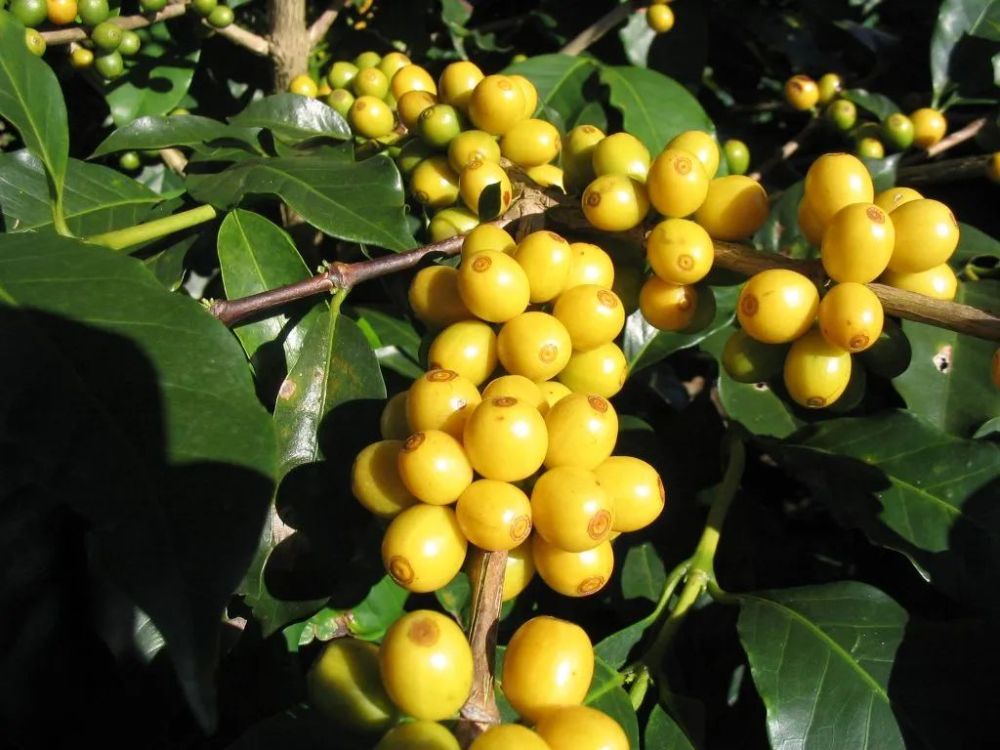
In summary, whether you’re a single-origin coffee enthusiast or focused on Italian-style coffee, Brazilian Arabica beans can provide a rich and diverse flavor experience. From the creamy chocolate notes of Red Bourbon to the delicate fruit acidity and nutty layers of Yellow Bourbon, and the versatile applications of various blend combinations, Brazilian coffee remains an indispensable and significant presence in the world of coffee.
The above content is compiled by CoffeeHunters, a coffee news website.


