







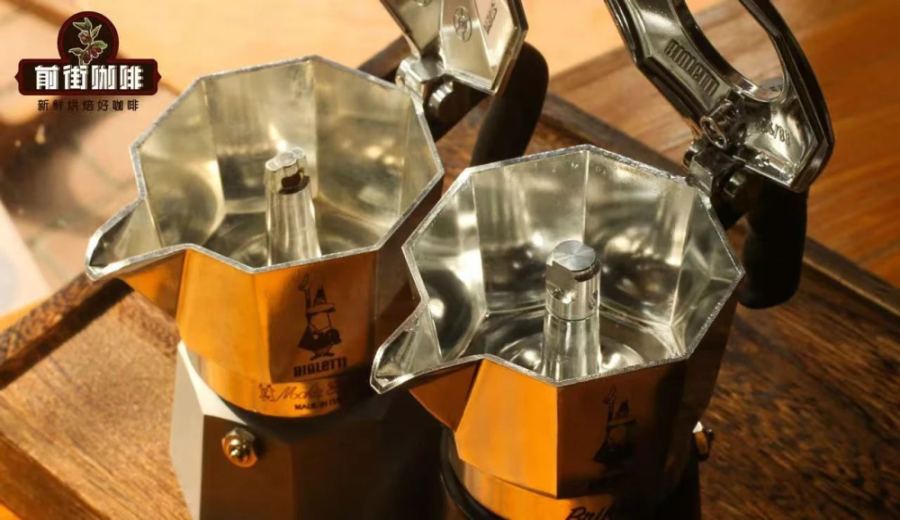
Introduction:Struggling to brew a cup of coffee with rich crema and bold flavors using a Moka pot? The key lies in bean selection, grind size, water temperature, and pressure control. This article delves into the science behind Moka pot crema, offering practical tips on bean variety, fine grind settings, and heat adjustment. It also explores how dual-valve Moka pots and pressure-enhancing accessories can improve crema performance, helping you brew café-quality coffee at home with ease.
Many Moka pot enthusiasts face a common frustration: why does their brewed coffee often lack that captivating layer of golden crema? In reality, this is closely tied to the type of coffee beans used, grind fineness, water temperature, and the Moka pot’s pressure design. This article will help you fundamentally understand how Moka pot crema forms and provide a series of practical adjustments to brew coffee with richer crema and more intense flavor.
First, let’s clarify a common misconception: the golden foam produced by a Moka pot, often called “crema,” is not true crema but rather a foam structure composed of carbon dioxide, fine coffee particles, and water. This foam, known as crema in espresso, is a natural byproduct of high-pressure, high-temperature extraction, delivering a richer mouthfeel and layered taste.
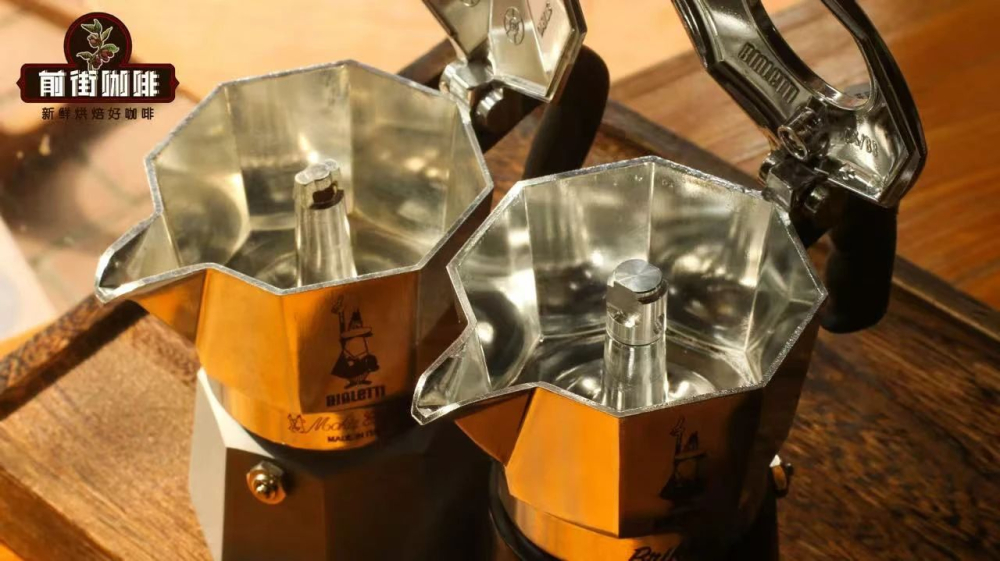
Although a Moka pot cannot match the 9-bar pressure of a professional espresso machine—typically reaching only about 3 bar—it can still produce a certain thickness of coffee foam under the right conditions. While this foam may not be as refined as espresso crema, mastering the correct method can still yield a thick and stable layer, enhancing the coffee’s flavor profile.
So, how can you adjust various parameters to achieve satisfying crema performance with a Moka pot? Below, we break it down by key elements.
1. Selecting Coffee Beans High in Carbon Dioxide
The carbon dioxide content in coffee is one of the key factors affecting foam formation and stability. Generally, the darker the roast and the fresher the beans, the more residual carbon dioxide they contain, which helps create a richer foam layer during extraction. Therefore, to enhance crema performance with your Moka pot, opt for dark-roasted beans with a recent roast date.
For example, if you prefer intense chocolate and caramel flavors, choose dark-roasted blends or single-origin beans. These beans not only release abundant bubbles easily but also deliver a fuller body. If you dislike overly strong bitterness, medium-dark roasted beans can also maintain good foam performance and balanced flavor.
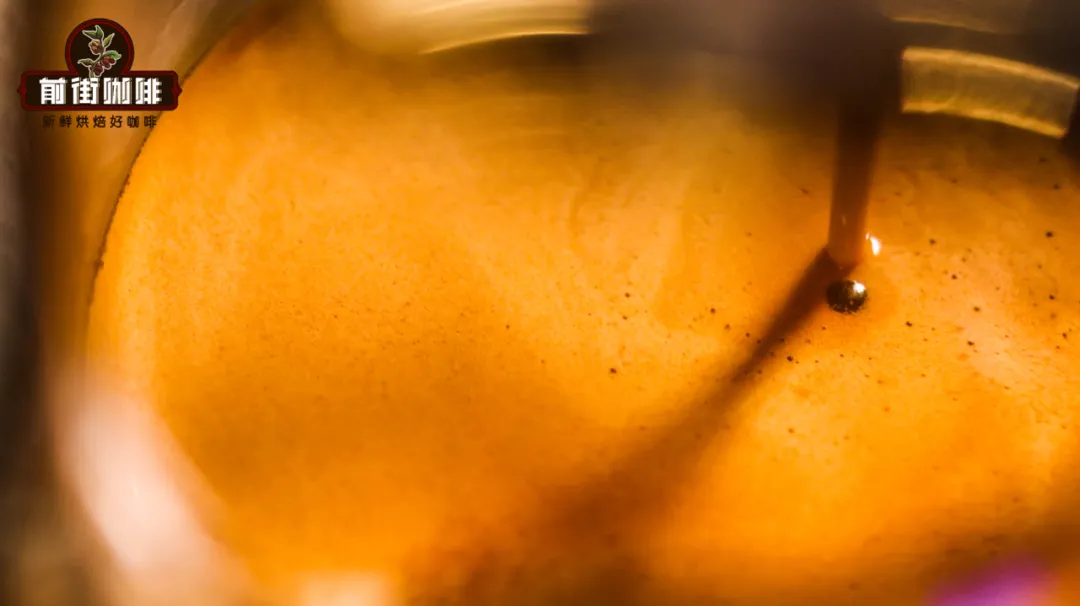
2. Adjusting Grind Size to Increase Extraction Pressure
Although the extraction pressure of a Moka pot cannot compare to that of professional machines, you can still increase the resistance of the coffee puck by adjusting the grind size, thereby enhancing extraction pressure. It’s recommended to grind the beans to a fineness close to that of espresso—about as fine as flour. This increases resistance as hot water passes through the coffee bed, generating higher internal pressure and facilitating foam formation.
Additionally, moderately increasing the amount of coffee grounds can further enhance the puck’s density and resistance. However, avoid over-tamping, as this may impede water flow. A uniform and compact coffee bed is the foundation for stable extraction and good crema performance.
3. Using Hot Water and Controlling Heating Time
Another critical factor influencing Moka pot crema is water temperature and heating time. Before brewing, it’s advised to heat the water in the lower chamber to near—but not boiling—temperature (around 90–92°C). This reduces premature steam generation and prevents over-extraction or unstable foam structure due to excessive heat.
Once the Moka pot starts dripping, reduce the stove heat or promptly move the pot away from the heat source to control brewing time. This prevents over-extraction, which can lead to bitterness, and helps maintain the foam’s delicacy and stability.
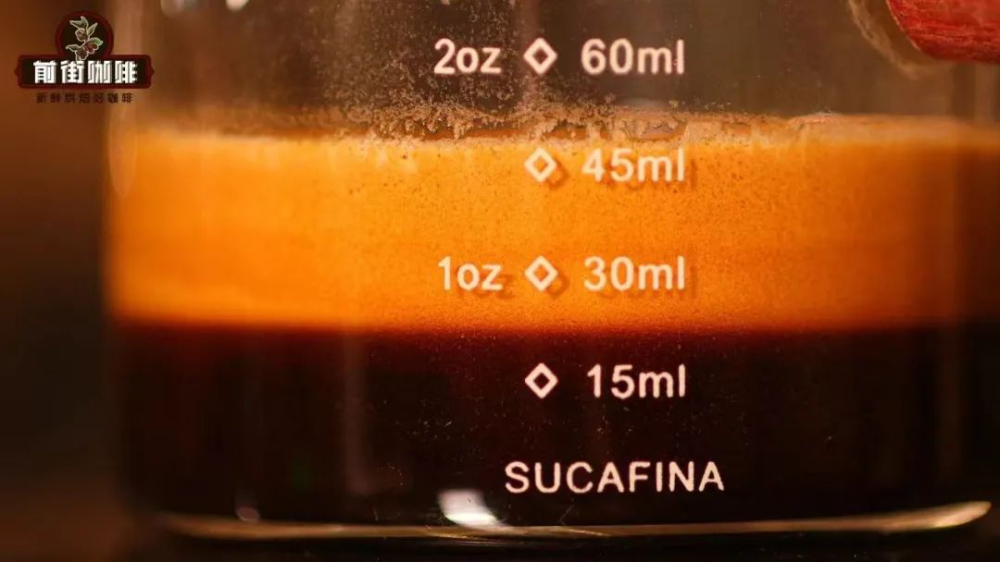
4. Choosing a Dual-Valve Moka Pot or Adding a Pressure Valve
If you want to further enhance the Moka pot’s extraction pressure, consider using a dual-valve Moka pot. These pots feature an additional pressure valve that forces water to pass through the coffee bed at higher pressure, resulting in a richer and more stable foam layer. If you already own a single-valve Moka pot, you can also purchase a compatible pressure valve accessory for an upgrade—just ensure the pot model matches the accessory.
The design of the pressure valve slightly increases extraction pressure, helping carbon dioxide in the coffee combine more effectively with water and fine particles to form a more pronounced foam.
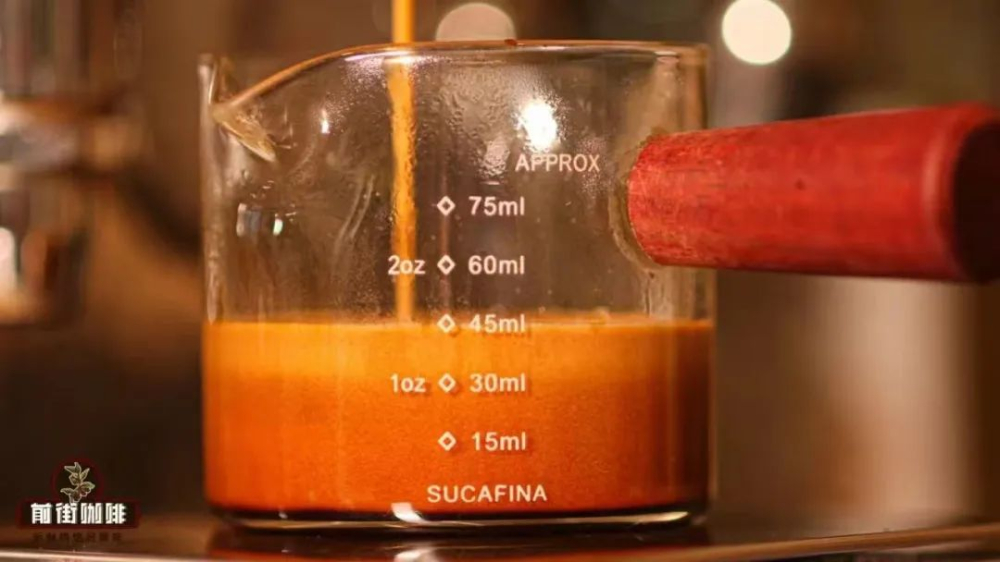
In summary, although the Moka pot differs in design from professional coffee machines, mastering key elements such as bean variety, grind size, water temperature, and pressure allows you to brew a cup of coffee with rich crema and bold aroma at home. Remember, while the amount of crema affects taste, overall extraction stability and balance are more important. Through continuous experimentation and fine-tuning, you’ll find your optimal brewing method.
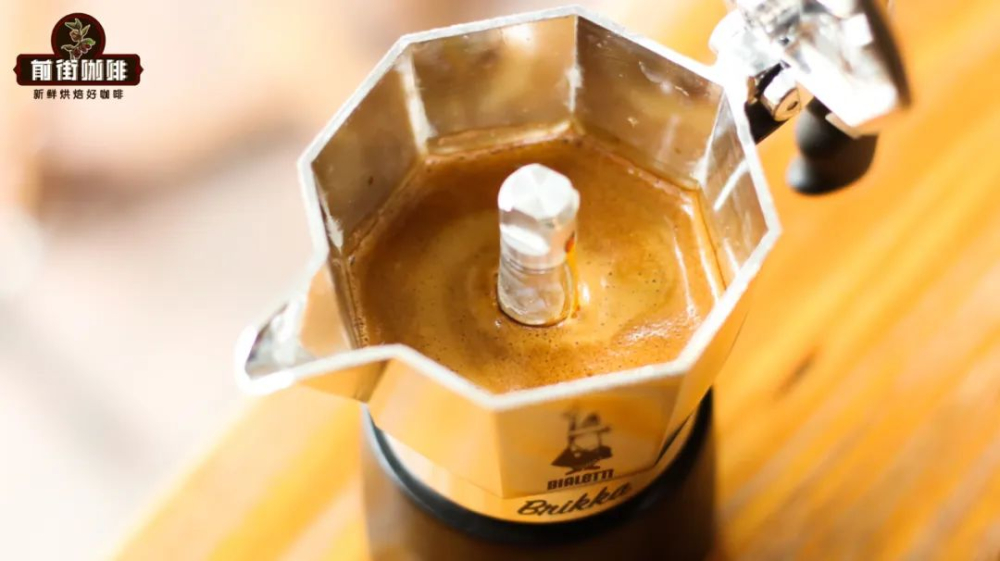
The above content is compiled by CoffeeHunters, a coffee news website.


