








Introduction:Want to enjoy a refreshing yet layered iced coffee on a hot summer day? This article takes an in-depth look at three popular iced coffee brewing methods—Japanese-style iced pour over, cold drip with filter bags, and cold brew—and explains the flavor profiles and best-use scenarios of three distinctive coffee beans. It also provides practical parameters such as water temperature, coffee-to-water ratio, grind size, and pour over techniques. Whether you’re a beginner or a coffee enthusiast, you’ll quickly master the tricks to making delicious iced coffee at home.
As summer arrives, a cool and rich cup of coffee not only refreshes the mind but is also a great way to beat the heat. Brewing a memorable iced coffee depends not only on technique but also, crucially, on the choice of coffee beans. This article will introduce you to three recommended beans with distinct flavors that are ideal for making iced coffee, as well as the three mainstream iced coffee brewing methods—from pour over to cold brew—teaching you how to use the correct parameters and steps to easily make balanced and layered summer iced drinks at home or in the office.

Among the many iced coffee brewing methods, choosing the right coffee beans can greatly enhance the overall flavor. Many people prefer using light-roast beans for iced coffee to pursue their bright acidity and freshness. However, light-roast beans can often taste thin and lack complexity when served cold. In fact, with the right selection, medium-light to medium-roast coffee beans can also showcase both freshness and body, offering great value and ease of sourcing. Next, let’s introduce three recommended beans from different regions, each with its own unique characteristics.
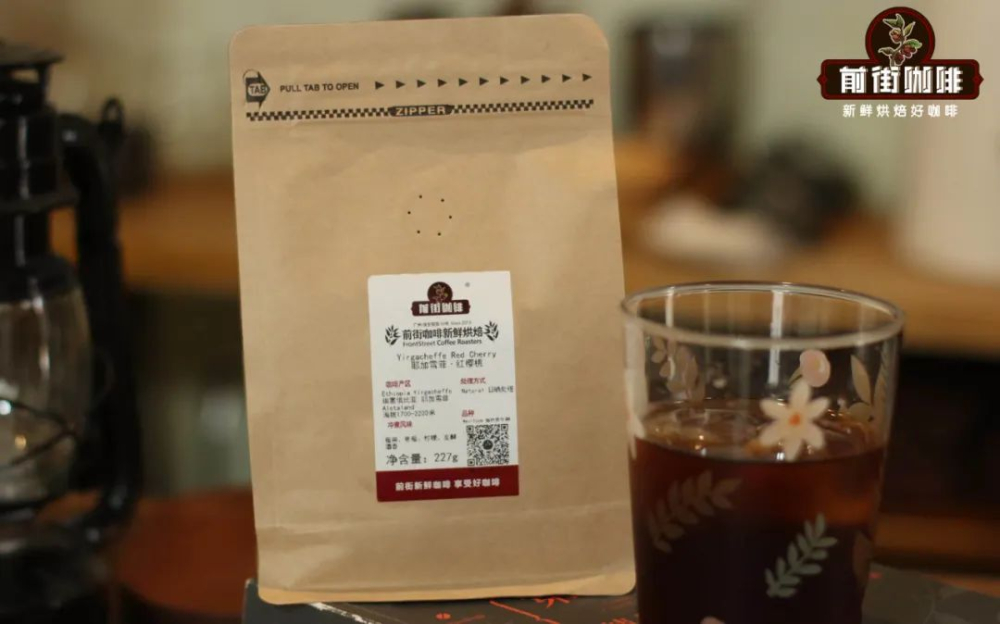
First up is Ethiopia’s Natural Red Cherry coffee beans, roasted to a medium-light level. Its flavor profile is dominated by mixed berries, caramel, black tea, and a hint of fruit fermentation. These beans come from the “Red Cherry Project” launched in 2007 by a Dutch green coffee importer. The project encouraged farmers to harvest only fully ripe red coffee cherries by offering higher prices, resulting in beans with richer sugar content. The natural processing method preserves the inherent sweetness and gentle fermentation notes. It is one of the outstanding representatives with exceptional sweetness.
The second is Panama’s Elida Estate Natural Typica, a medium roast that presents a combination of flavors including peach, orange, raisin, caramel, and green tea. Although Elida Estate is famous for its Geisha, its Typica variety also shines brightly. This Typica combines the unique terroir of the region with the fruity characteristics of natural processing, while retaining the clean profile typical of the Typica variety. It has a smooth and full mouthfeel, making it perfect for those who enjoy a juice-like taste with clear layers.
Finally, we recommend Colombia’s Finca La Frontera Sidra coffee beans, medium roasted, showcasing a complex profile of grape, passionfruit, apricot preserve, citrus, and fermentation notes. Sidra is an experimental hybrid of Typica and Red Bourbon. Genetic analysis shows it is closely related to Ethiopian landraces, hence it carries floral and fruity aromas reminiscent of Geisha. It has soft acidity and a round body, with particularly outstanding cost-performance. This bean was favored by the 2022 WBC champion, making it highly suitable for coffee lovers wanting to try unique varieties.

For these three coffee beans, a medium-fine grind is recommended when making iced coffee. This helps fully extract the flavors during immersion or dripping while avoiding over-extraction that can lead to bitterness. Below, we’ll provide detailed parameter settings and step-by-step instructions for three common iced coffee brewing methods—Japanese-style iced pour over, cold drip with filter bags, and cold brew—to help you get started with ease.
[Japanese-style Iced Pour Over] Ideal for those who enjoy the hands-on process and precise control. Recommended coffee-to-water ratio is 1:10 (1 gram of coffee to 10 ml of water), using about 100 grams of ice, with water temperature controlled at 90-91°C. Use a V60 filter cone and employ a three-pour technique for extraction. In practice, you can use 15 grams of coffee, first pouring 30 grams of water for a 30-second bloom; then, in the second pour, add 60 grams of water with a slow, circular motion until the water level drops halfway, followed by a third pour of another 60 grams of water with the same motion. Total water added is 150 grams. To fully cool and dilute the concentrated coffee, it’s recommended to shake the brewed coffee before pouring it over the ice to avoid uneven concentration caused by placing ice first, which could affect the overall taste. Adjust the amount of ice as desired, but ensure there’s enough to rapidly chill the coffee without melting too quickly and making it weak.
[Cold Drip with Filter Bags] Suitable for situations where you want a simple process while still retaining the flavor of pour over. Each filter bag typically contains 10 grams of coffee, with the same coffee-to-water ratio of 1:10, using about 50 grams of ice and maintaining water temperature at 90-91°C. To brew, hang the filter bag over the cup, pour 100 ml of hot water (you can boil water and let it sit for 2 minutes to cool to around 90°C), steep for about 3 minutes to ensure full extraction, then remove the filter bag. Finally, add ice to cool it down. You can choose to directly add large ice cubes or pour the hot coffee into a container with ice and stir quickly to cool.
[Cold Brew Iced Coffee] Best suited for those who are busy or want to prepare iced coffee in advance. This method doesn’t require any special skill—just patience. Recommended coffee-to-water ratio is 1:12 (1 gram of coffee to 12 ml of water), using room-temperature water, with an immersion time of about 12-16 hours. A cold brew maker is recommended. For example, using a 1L cold brewer, you can use 60 grams of coffee. Place the ground coffee in the filter, pour in 720 grams of room-temperature water to evenly wet the grounds, cover the filter and the brewer, and place the whole setup in the refrigerator for low-temperature extraction. Once the time is up, remove the filter to let any remaining coffee drip out, then discard the coffee grounds and it’s ready to drink. If you find the 1:12 ratio too strong, you can adjust it to 1:13, or dilute with ice water when serving to adjust the strength.
No matter which method you choose, the key to making great iced coffee lies in controlling the water temperature, grind size, and extraction time to bring out the inherent flavors of the beans while maintaining layers and body even when served cold. With the beans and tips introduced in this article, you can also easily make your own flavorful summer iced coffee at home.
The above content is compiled by CoffeeHunters, a coffee news website.


