







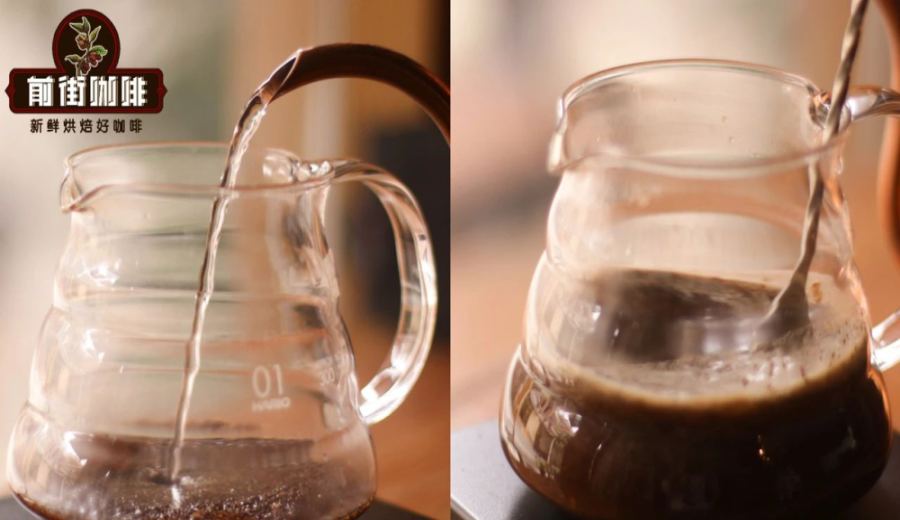
Introduction:Have you ever wondered if the extremely fine coffee grounds typically used for espresso can be used to make cold brew? While cold brew is generally recommended to use medium-coarse grind, with the right coffee-to-water ratio and steeping time, finely ground espresso beans can also produce uniquely flavorful cold brew. This article will detail the basic characteristics of cold brew, offer suggestions on bean selection, and—focusing on the traits of very fine grind—provide specific adjustments to ratios and shortened brewing times. We’ll also share tested parameters and taste evaluations, so you can easily experiment at home to find your ideal flavor.
Cold brew is renowned for being simple to make, requiring only cold water and long steeping time, making it easy even for beginners. Compared to hot brewing, its biggest advantage is that cold extraction reduces the release of bitter and astringent compounds, highlighting fruit acidity and sweetness, resulting in a smoother and cleaner mouthfeel—making it especially suitable for summer.
However, cold brew also has its challenges. First, it requires long refrigerated steeping times, usually around 8 to 12 hours, so it’s best to prepare it before bed and enjoy it the next day. Second, bean selection is crucial—if the wrong beans are chosen, unpleasant off-flavors can easily emerge, negatively affecting the overall flavor profile.
For ideal cold brew beans, it’s recommended to choose medium-light to medium roasts. These beans often feature prominent floral and fruity aromas, sweet and acidic tones, or tea-like and juice-like aftertastes. Compared to dark roasts, they better highlight the refreshing qualities of cold brew. For example, preferred choices might include beans with bright citrus notes, honey-like sweetness, and green tea aftertastes, or blends showcasing berry acidity and fermentation characteristics.
Regarding basic cold brew extraction parameters, it’s recommended to aim for a coffee-to-water ratio between 1:10 and 1:12. For example, using 30 grams of coffee grounds, you can pair it with 300 grams of cold water. The grind size is suggested to be as fine as granulated sugar (approximately 75% extraction rate through a Chinese No. 20 sieve), which balances extraction efficiency and flow rate. If you don’t have a home grinder, you can also specify your needs to the coffee shop in advance.
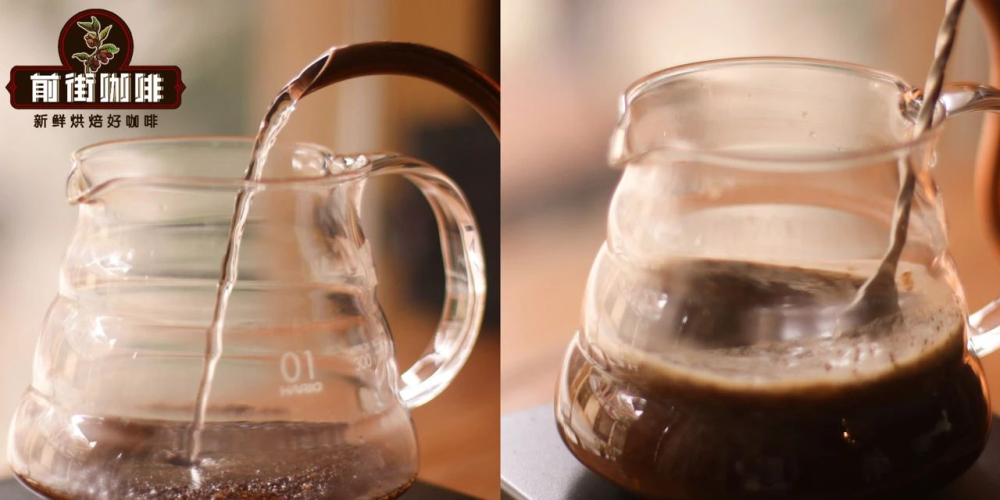
In terms of the brewing process, pour the coffee grounds and cold water into a clean, sealable container, gently stir to mix evenly, then seal and refrigerate for at least 8 hours. A recommended duration is 10 to 12 hours to achieve full flavor development. After steeping, filter out the coffee grounds using a cloth or paper filter. The filtered coffee liquid can be refrigerated for about 5 days, but it’s best consumed as soon as possible to enjoy optimal flavor.
Returning to the core question of this article: Is extremely fine espresso-ground coffee suitable for cold brew? The answer is yes, but special adjustments are needed. Since espresso grind is typically as fine as flour, using standard cold brew ratios and times can easily lead to over-extraction, resulting in overly intense, bitter coffee, and even noticeable astringency.
To test feasibility, we used a dark-roasted Indonesian Mandheling from Lintong as our test bean. This bean, under medium-dark roasting, typically exhibits aromas of caramel, nuts, dark chocolate, and herbs, and is suitable for various brewing methods, producing rich crema when used for espresso. For this test, we used a professional espresso grinder, setting the grind to a level close to espresso extraction—around 2.5—notching a powder-fine, extremely fine grind.
For this extremely fine grind, we adjusted the following key parameters: 50 grams of coffee grounds with 700 grams of cold water, achieving a coffee-to-water ratio of 1:14, and shortened the steeping time to 3 hours, followed by an additional 2-hour refrigerated rest to stabilize the flavors. This combination effectively reduces the risk of over-extraction while preserving the rich foundation of the dark roast.
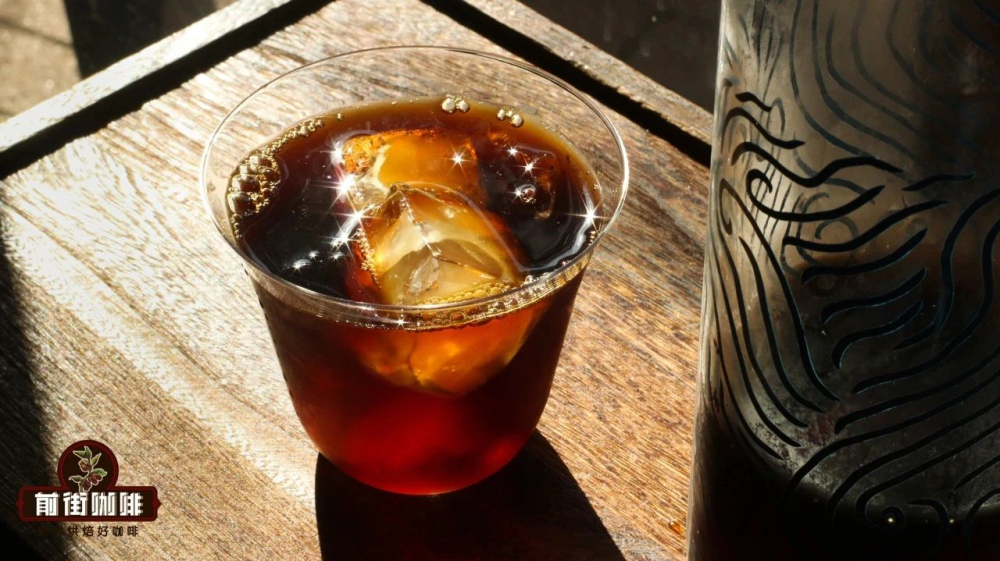
Because extremely fine grounds create more resistance during filtration, it’s advised to patiently wait for the filtrate to fully drip through, and you may refrigerate the initial filtrate briefly to help suspended particles settle, resulting in a clearer mouthfeel. Additionally, since dark roast beans inherently have intense flavors with caramel and dark chocolate notes, it’s recommended to add ice cubes when drinking, which can further balance the richness and enhance overall freshness.
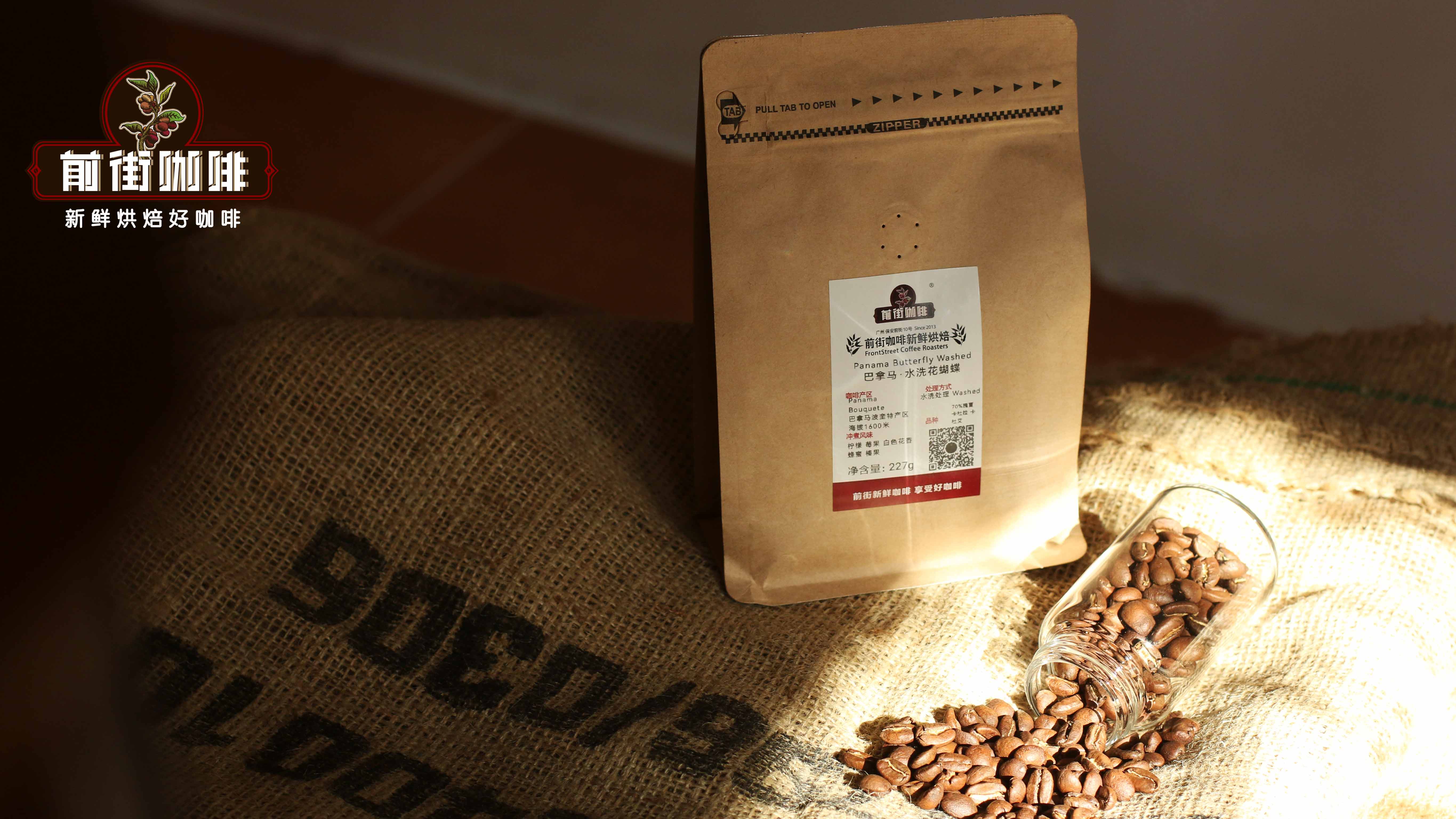
In actual tasting, this adjusted extremely fine grind cold brew presented a flavor profile dominated by dark chocolate and caramel, with a thick, pu’er-tea-like finish. Drinking it chilled offers a more refreshing and invigorating experience, making it suitable for coffee lovers who enjoy bold flavors but want to try a cold brew version. With the right coffee-to-water ratio and timing, even extremely fine espresso coffee grounds can become a uniquely flavorful cold brew option.
The above content is compiled by CoffeeHunters, a coffee news website.


