







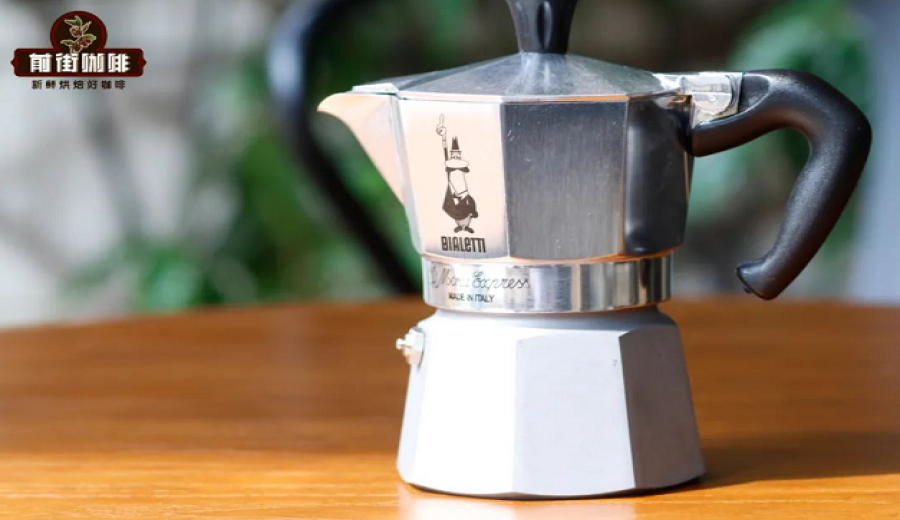
Introduction:Want to replicate café-quality rich flavors at home? Mastering the grind fineness and proper operation of the moka pot is key. This article starts with the inspiration behind the moka pot’s invention and its working principle, then delves into the three core elements of extraction—coffee bean freshness, roast level, and grind size—and provides practical methods to determine if your grind is just right, helping you brew a safe, stable, and high-quality cup of coffee that’s aromatic and rich in crema.
Many coffee enthusiasts are accustomed to the bold taste delivered by commercial coffee machines, but when trying to recreate a similar flavor at home using their own tools, they often fall short due to an inaccurate grind size—especially when using a moka pot, where the coarseness of the coffee grounds directly affects extraction efficiency and final flavor expression. This article will start with the historical background and extraction principles of the moka pot, gradually explaining how to adjust the grind size of coffee grounds, and walk you through the complete operation steps to help you brew a rich, aromatic cup of coffee at home.
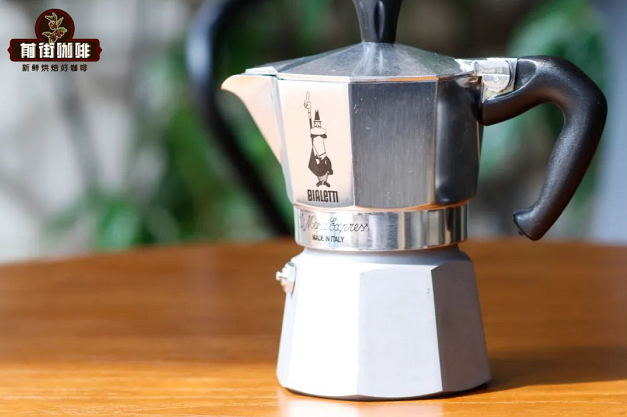
The moka pot was born in Italy in the 1930s, inspired by the structure of a washing machine at the time. Its inventor, Alfonso Bialetti, noticed that in a washing machine, a metal tube connected the upper and lower layers, and when heated, soapy water would rise through the pipe and sprinkle onto the clothes to clean them. Inspired by this, he conducted repeated research and development and eventually created the world’s first moka pot. The operating principle of this device is strikingly similar to that of a washing machine: fill the bottom chamber with hot water, place ground coffee in the middle filter basket, assemble it, and then place it on a heat source. As the water temperature rises, steam generates pressure, pushing the hot water through the central metal tube, forcing it through the tightly packed coffee grounds, and finally, the brewed coffee flows out from the top chamber.
Thanks to its simple operation, compact size, and stylish design, the moka pot quickly became popular in Italy at the time, becoming a favorite choice for home coffee brewing. Later, the Bialetti family put this design into mass production, and through marketing and design improvements, the moka pot became an indispensable part of daily life for Italians. Today, many coffee enthusiasts still choose to use the moka pot at home to enjoy that rich, crema-covered coffee experience.
If you also want to brew café-style rich coffee with a moka pot, first master the correct filling and heating steps. During operation, fill the bottom chamber with hot water, with the water level recommended to be about 0.5 cm below the safety valve. Next, pour the pre-ground coffee into the middle filter basket, gently tap it to distribute the coffee layer evenly and flatly. After installing the filter basket, screw the top and bottom chambers together tightly, and finally place it on a heating device (such as a gas stove or induction cooker) to heat.
As the moka pot gradually heats up, you’ll hear a “wuu wuu” sound. At this point, you should reduce the heating intensity and can open the top lid to observe the extraction process. Soon after, the coffee liquid will begin to flow out from the top chamber. It’s recommended that when the liquid flows out steadily, you quickly remove the moka pot from the heat source and turn off the stove—this way, you’ll get a cup of coffee that’s fragrant and full-bodied.

Many users hope their moka pot can brew coffee with rich crema, similar to that produced by an espresso machine. To understand how to achieve this effect, you first need to know the principle behind crema formation. The golden crema on the surface of an espresso is actually formed by a large number of carbon dioxide bubbles. When coffee is ground finer, the contact area between water and coffee increases, causing more intense gas release, which in turn forms that delicate and attractive layer of crema.
Therefore, if you want to brew coffee with rich crema using a moka pot, it is recommended to adjust in the following three aspects: First, choose freshly roasted coffee beans—ideally beans roasted within 5 days and rested for 4 to 7 days, when their flavor is at its peak; second, select medium to dark roast beans, which help bring out a rich flavor and crema; and third, and most importantly, adjust the grind fineness of the coffee.
When it comes to coffee bean selection, if you’re looking for value, you might consider using blends—for example, a mix of Yunnan small-seed variety and Brazilian Cerrado beans, which often feature aromas of nuts, chocolate, and plums, with a mild flavor profile suitable for most users. Additionally, yellow Bourbon beans processed with the natural (sun-dried) method are often recommended for moka pots due to their prominent sweetness, bringing a rich nutty and creamy flavor profile with balanced overall performance.
As for grind size, it is recommended to grind the coffee to a size between 0.3 and 0.55 mm—that is, slightly coarser than the grind typically used for espresso machines. Since the particles are very fine and not easily distinguishable to the naked eye, you can confirm the grind size in two ways: one is to purchase a dedicated grind size gauge, or use commercially available moka pot-specific coffee as a reference; the other is through actual extraction observation—if the coffee liquid spurts out like a fountain, it indicates the grind is too coarse and lacks sufficient water resistance; if you hear the “wuu wuu” sound but no coffee liquid comes out for a while, it may mean the grind is too fine. In this case, you should immediately turn off the heat and move the moka pot away from the heat source to ensure safety.
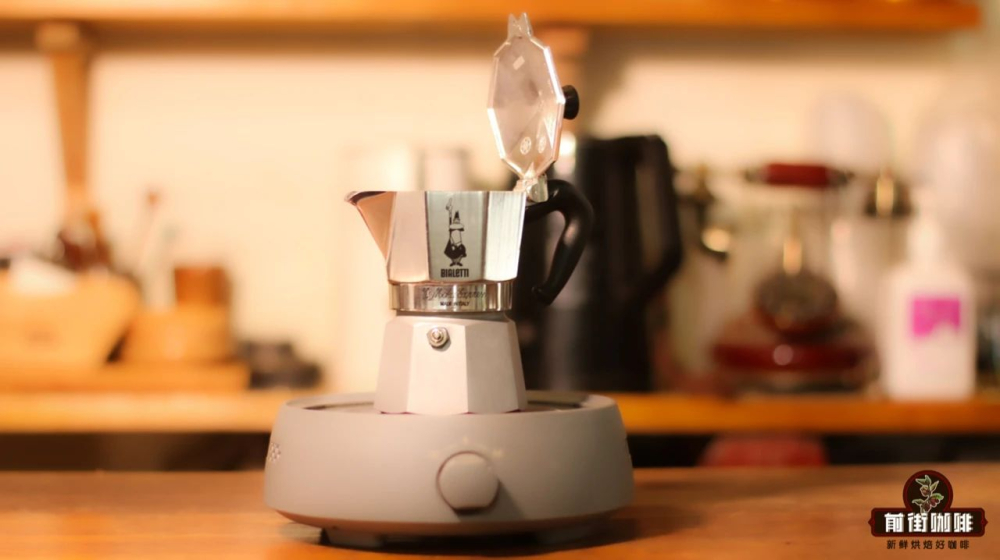
Finally, safety is absolutely the top priority when using a moka pot. Pay attention to the safety valve on the bottom chamber—this small hole is designed to release excessive pressure and prevent the pot from exploding due to overly high pressure. When the water level exceeds the safety valve, its function becomes ineffective, significantly increasing the risk of danger. Therefore, be sure to control the water level during filling, and avoid excessively compressing the coffee grounds or grinding them too finely, which could lead to uncontrolled pressure.
In summary, as long as you master the correct grind size, choose fresh and suitable coffee beans, and follow the standard operating procedure, you’ll be able to use a moka pot to consistently brew a cup of coffee that’s rich in aroma, full-bodied in taste, and even features beautiful crema. Get started now and enjoy the café-quality coffee experience you can have at home!
The above content is compiled by CoffeeHunters, a coffee news website.


