








Introduction:Have you ever wondered why espresso is typically served in small cups while lattes always come in large ones? The size of a coffee cup isn’t just a matter of aesthetics—it directly affects flavor expression and drinking experience. This article delves into the standard capacities of common Italian-style coffee cups, from 60ml demitasses to 300ml large cups, explaining which types of coffee are best suited for each. We’ll also cover practical details like extraction ratios, milk frothing techniques, and temperature control to help you master professional-level coffee pairing logic—whether you’re enjoying your coffee at a café or brewing at home.
Step into a specialty coffee shop, and you’ll often see an array of ceramic cups neatly lined up behind the bar. Each size corresponds to a specific type of coffee. The cup’s size not only relates to visual appeal but also influences how concentrated the coffee tastes and how well it retains heat. Understanding the capacity and purpose of these standard cup sizes is the first step toward elevating your coffee tasting experience.
Generally speaking, coffee cups can be categorized into small, medium, and large, with approximate capacities of 60ml, 180–200ml, and 300ml, respectively. This classification not only helps baristas maintain standardized operations but also allows customers to choose their preferred drinking method. Next, we’ll take a detailed look at the practical applications and pairing suggestions for these three cup types.
Small Coffee Cup (Approx. 60ml): The Perfect Match for Espresso
Small ceramic cups are usually white or have simple designs, with a capacity of about 60ml, making them the classic choice for serving espresso. These small cups perfectly showcase the crema layer and intense flavor of espresso. Take a common double shot of espresso, for example: using 20g of coffee grounds, about 40g of espresso is extracted within 28 seconds, just enough to fill the small cup, presenting a golden, fine crema that is satisfying both visually and tastefully.
It’s worth noting that small cups offer the best heat retention when filled with liquid, helping to prolong the optimal drinking temperature window. Additionally, such small cups are often used as sharing pots for pour over coffee, offering flexible use across different brewing scenarios.
Medium Coffee Cup (180–200ml): The Balanced Choice for Americano and Cappuccino
Medium cups are slightly taller, with a capacity ranging between 180 and 200ml, making them ideal for Americanos and cappuccinos. For an Americano, the typical base is a double shot of espresso (about 40g of coffee liquid), to which 160g of hot water is added, creating a ratio of approximately 1:4. This ratio allows the original flavors of the espresso to shine through, especially when using blended beans—the layers of vanilla, cream, chocolate, and subtle wine-like notes become more pronounced.
As for cappuccinos, it’s recommended to use 20g of espresso paired with about 160ml of steamed milk. The milk foam should be fine and thick, poured such that the foam slightly overtops the rim of the cup, creating a full-appearing visual effect. This eleven-tenths-full pouring style shapes the drink into a unique silhouette resembling a friar’s cowl—hence the name “cappuccino.” The dense foam not only enhances texture but also balances the strong flavor of the espresso.
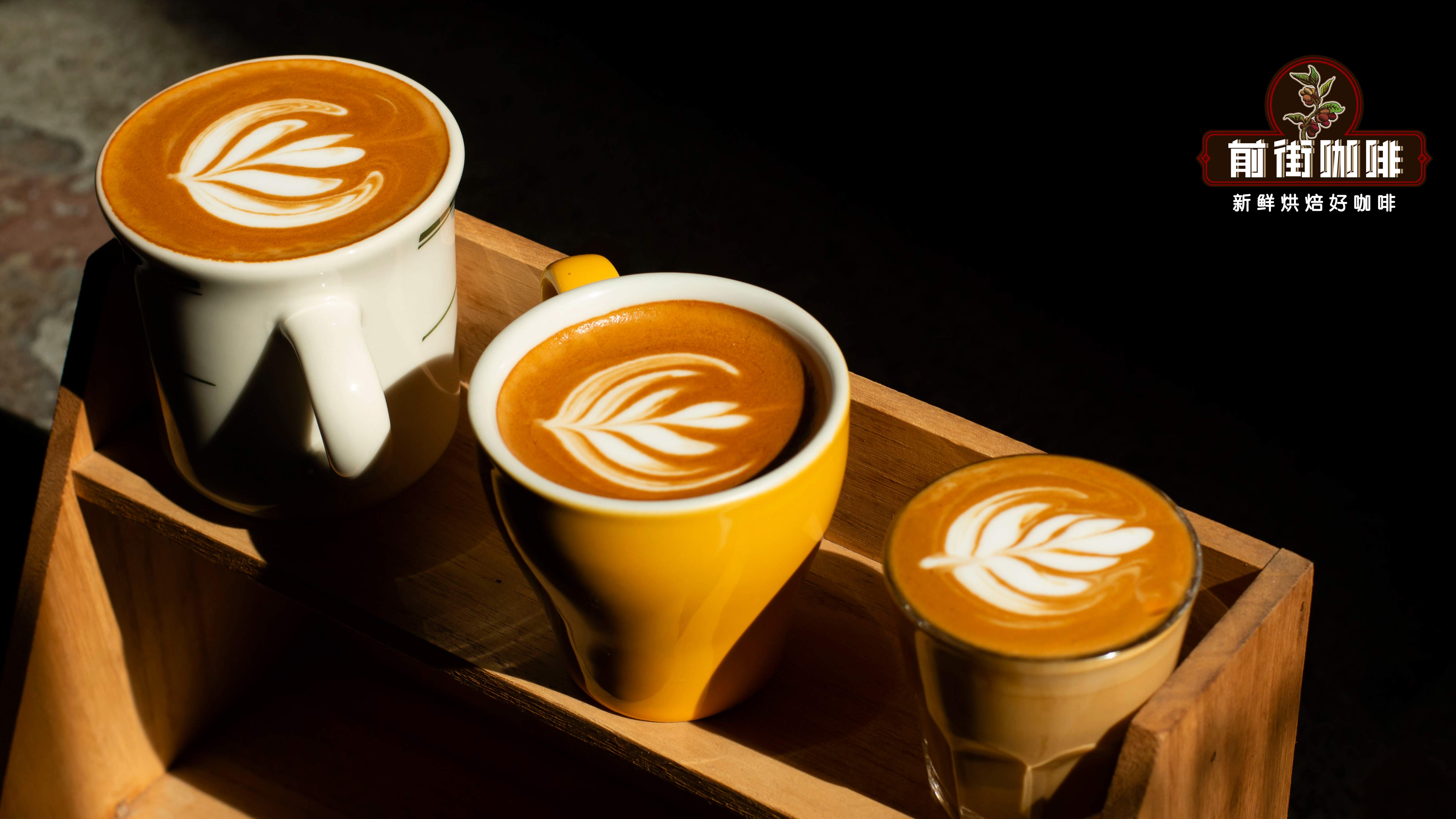
Large Coffee Cup (300ml): The Classic Capacity for Latte and Mocha
Large ceramic cups have a capacity of around 300ml and are the go-to choice for milk-forward coffee drinks like lattes and mochas. The standard ratio for a latte is 1:6.5—that is, 40ml of espresso paired with about 260ml of hot milk. Slowly pouring the milk in a circular motion not only ensures even mixing but also creates a beautiful canvas for latte art.
Fresh milk, once heated, reveals a more pronounced lactose sweetness. When combined with espresso, it brings out a gentle sweetness that balances the acidity of the coffee. A well-made latte features a rich layering of flavors, often including hints of whiskey-like booziness, nutty aftertastes, and the silky feel of milk foam. Using a wide-mouthed large cup also gives baristas more room to showcase their latte art skills, turning every cup into a dual delight for the eyes and palate.

Mastering these standard cup types and their corresponding brewing parameters means you can choose the most suitable coffee and cup combination based on your personal taste preferences—whether ordering at a café or brewing at home. From the 60ml espresso to the 300ml latte, every capacity has its own flavor logic and practical considerations. Understanding these details helps you appreciate the true charm of coffee even more.
The above content is compiled by CoffeeHunters, a coffee news website.


