







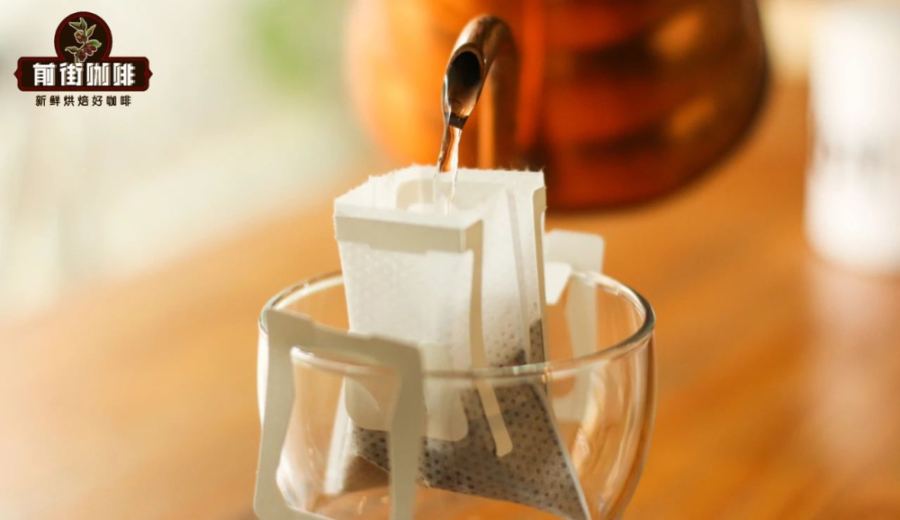
Introduction:Drip bags combine the convenience of pour over with the flavor of freshly ground coffee, making them an ideal choice for everyday drinking. However, pre-ground coffee is prone to aroma loss. To fully unlock their potential, it’s essential to understand freshness, choose a style that suits your taste, and master the correct brewing techniques. This article will guide you through everything from selection to brewing, helping you master the essence of drip bags.
Drip bags can be considered a simplified version of pour over—no complicated equipment is needed, just hot water and a cup, allowing you to enjoy a great cup of coffee anytime. That’s why they’re also called portable pour over. However, since the coffee is pre-ground, improper storage can lead to rapid aroma loss, and continued carbon dioxide release can also affect overall flavor. Therefore, when purchasing, pay special attention to freshness, flavor profile, and brewing details to get the best possible cup.
To ensure optimal flavor, it’s recommended to choose drip bags made from coffee beans roasted within five days, and opt for sellers that offer fast delivery to minimize storage time’s impact on flavor. [Front Street Coffee] uses freshly roasted beans within 5 days as the base and provides 24-hour shipping, ensuring customers enjoy drip bags at their peak.
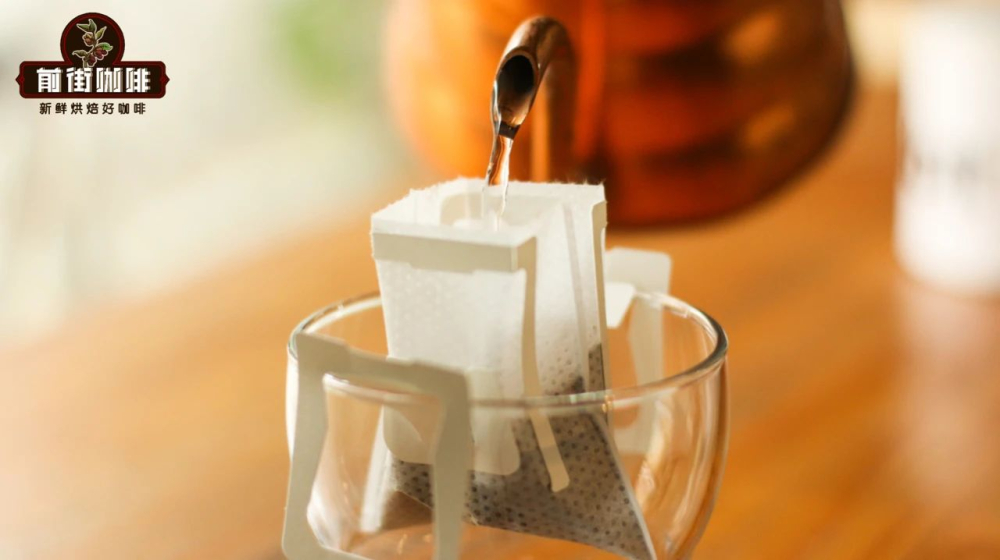
Drip bags come in a wide range of flavors, with beans from different regions and processed by various methods offering distinct characteristics. For example, Ethiopian Yirgacheffe, with its bright acidity, is perfect for those who enjoy a refreshing profile; Golden Mandheling, rich and low in acidity, is ideal for lovers of bold, full-bodied coffee; while balanced and smooth Yunnan small-bean coffee caters to those seeking layered flavors. Additionally, there are options like Brazil Cerrado’s nutty notes or Huagu’s sweet fruity aroma—each drip bag has its unique personality, suiting coffee enthusiasts of all levels.
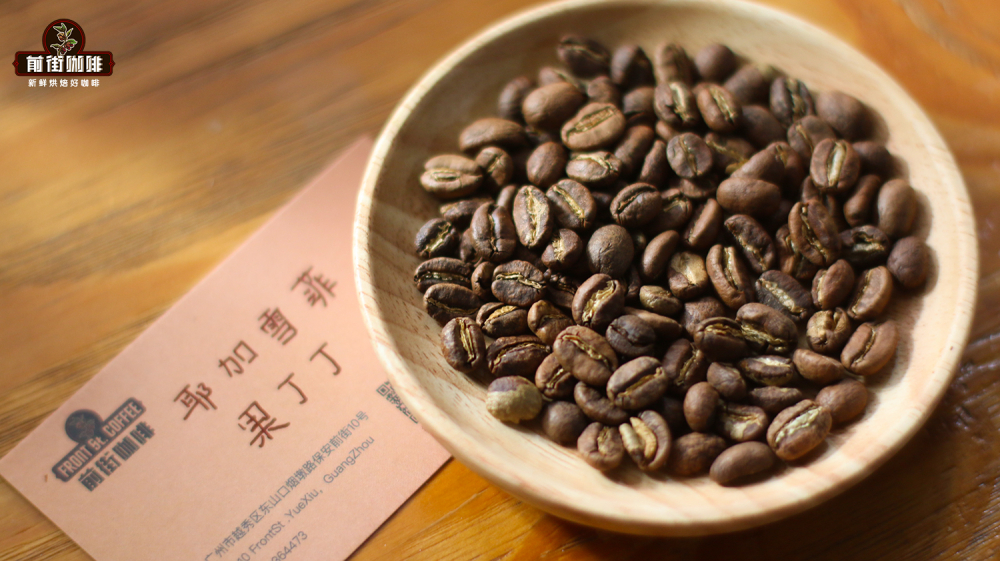
If you prefer a clean, floral-fruity profile, [Brand X]’s washed Guodingding drip bag is a great choice. Made from Ethiopia’s top-grade G1 beans and processed via washing, it’s lightly-medium roasted to highlight citrus and jasmine aromas, with a honey-like sweetness in the aftertaste. For those who enjoy sweeter fruitiness, [Brand Y]’s sundried G1 Huagu drip bag is also highly recommended. The new-season Huagu features tropical fruit notes like creamed strawberry, citrus, and mango, blended with fermentation and honey undertones, delivering a rich yet layered flavor.
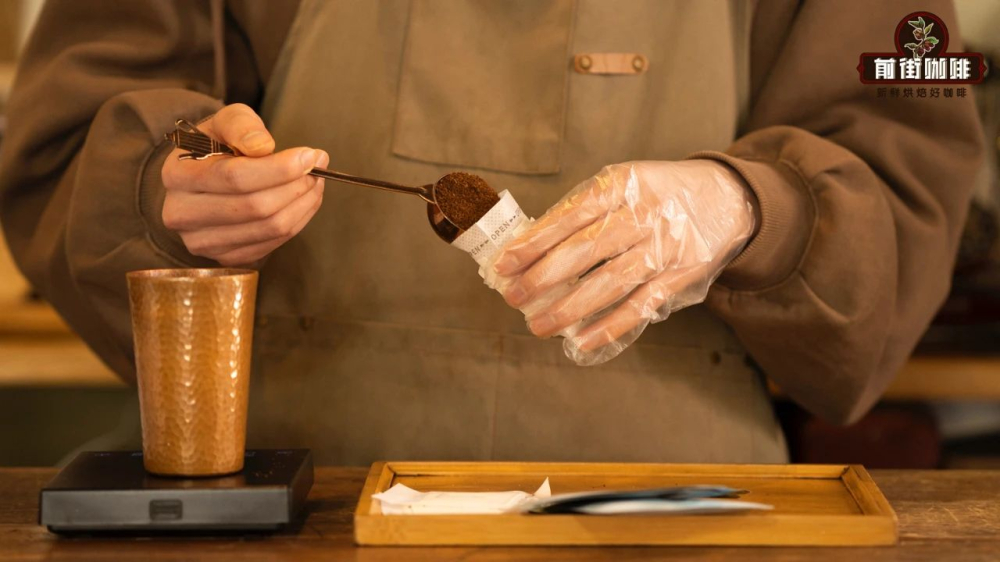
For readers seeking a balanced profile, [Brand Z]’s 2013 Yunnan small-bean Typica drip bag is an excellent entry point. Yunnan’s Lincang region, with its distinct dry and rainy seasons and abundant sunlight, is ideal for growing Arabica. This drip bag uses the original Typica variety, offering soft notes of nuts, chocolate, and brown sugar, with a balanced acidity and sweetness and a smooth, mellow finish—perfect for daily drinking.
If you prefer a bold, full-bodied, and acid-free taste, [Brand A]’s PWN Golden Mandheling drip bag is worth trying. These beans are carefully selected from G1 grade beans larger than eighteen mesh, with an extremely low defect rate, and undergo multiple manual and mechanical screenings to remove impurities and defective beans. The brewed coffee is clean and bright, with a rich, full body and no noticeable earthy notes—ideal for those who love intense flavors but dislike off-putting impurities.
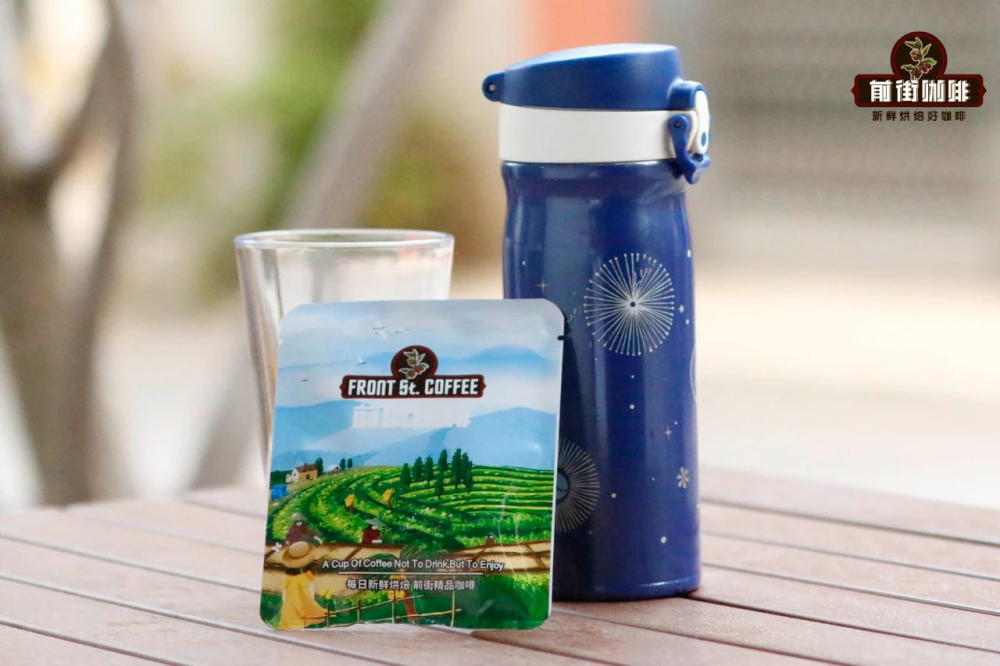
Now that you know how to choose the right drip bag for yourself, let’s move on to the correct brewing method. Prepare a fresh drip bag, an appropriate amount of hot water (around 90–95°C is recommended), and a cup with a not-too-wide rim to help stabilize the drip bag.
First, preheating the cup helps maintain coffee temperature. Then, tear open the outer pouch of the drip bag and take out the filter. Open the “open” tabs on both sides of the drip bag, hang it on the cup rim, and ensure it’s securely in place. Note that a too-wide cup rim may cause instability—opt for a medium-sized cup.
During brewing, each drip bag contains about 10 grams of coffee grounds. A 1:15 coffee-to-water ratio is recommended. Start with a bloom: pour a small amount of hot water (about twice the weight of the coffee grounds) to cover all the grounds, then let it sit for 10–20 seconds to release the aroma. Next, pour in two to three stages, gradually increasing the water volume to about 150 ml, and wait until the coffee has completely dripped through before enjoying.
After brewing, it’s recommended to remove the drip bag immediately to avoid prolonged steeping, which can negatively affect flavor. Additionally, drip bags are generally only suitable for a single brew—reusing them not only significantly diminishes flavor but may also introduce unpleasant off-notes. Master these basic techniques, and you can easily enjoy a pour over-quality coffee experience at home or in the office.
The above content is compiled by CoffeeHunters, a coffee news website.


