







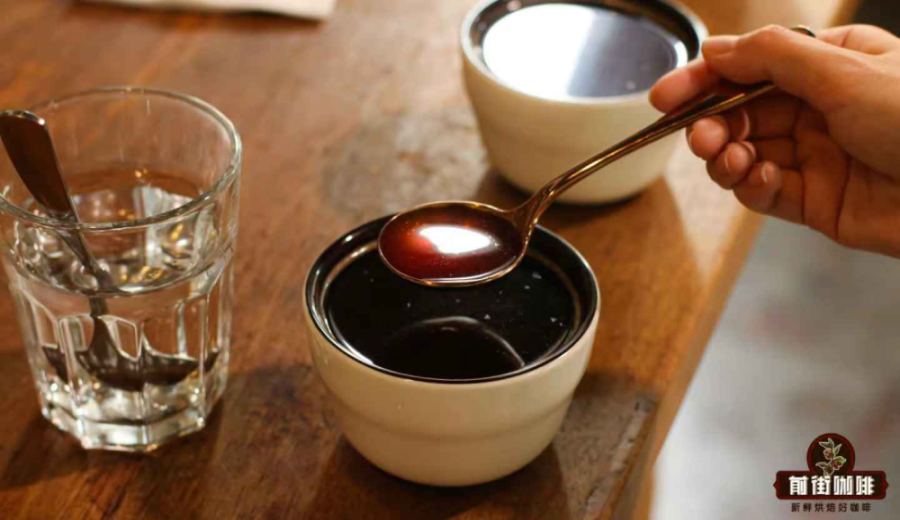
Introduction:This washed Yirgacheffe bean from the Misty Valley of Ethiopia’s Sidamo region is widely loved for its distinctive citrus, floral notes, and bright taste. This article delves into its regional background, processing method, variety characteristics, and actual cupping performance, helping coffee enthusiasts better understand this classic bean often referred to as the “Queen of Coffee,” and provides practical tasting and selection references.
A well-known coffee brand’s Yirgacheffe Misty Valley is a washed Arabica coffee bean produced in Ethiopia’s Sidamo region. It has a clear and layered flavor profile, making it a popular choice for many pour over coffee beginners. The beans exude a rich citrus aroma, and as soon as they are brewed, you can clearly smell the blend of orange and floral notes. Upon closer tasting, you can also catch a hint of delicate lemon freshness. Upon entering the mouth, the first sensation is a creamy, velvety texture, followed by the natural sweetness of cane sugar and dates. The overall profile is clean and bright, with a long and varied aftertaste.
The origin of these coffee beans is the Misty Valley (Misty Valley), located around the town of Yirgacheffe. This area initially mainly used the natural (sun-dried) processing method, but in recent years, the introduction of washed processing has rapidly improved the quality and international recognition of the region’s coffee. In fact, the term “Yirgacheffe” is no longer just a place name, but has become synonymous with the bright acidity and fruity-floral profiles in specialty coffee. Although Misty Valley is famous for its washed method, many farmers still adhere to the traditional natural process, believing that it brings out deeper and rounder flavor characteristics in the coffee.
According to local farmers, despite the continuous advancement of modern processing techniques, the Yirgacheffe region still retains many ancient coffee processing traditions. Especially when serving honored guests or during coffee ceremonies, coffee beans are often simply roasted on iron pans. Even if the control of heat isn’t as precise as modern methods, it still showcases the unique regional soul of Ethiopian coffee. This fusion of culture and craftsmanship is also one of the reasons why the coffee from this area is so highly regarded.
In terms of technical parameters, this Yirgacheffe from Misty Valley is of the Ethiopian Heirloom variety, processed using the standard washed method, and grown at an altitude of approximately 2,000 meters (the original text’s 20,000 meters is likely a typo), representing a typical high-altitude growing environment. Under high-altitude conditions, coffee cherries grow more slowly, allowing them to accumulate richer flavor compounds, which contribute to its bright acidity and complex aromatic expression.
In terms of roast level, this bean is generally recommended to be processed with a light to medium roast, which can best present its inherent floral and fruity characteristics while avoiding over-roasting that might mask its delicate layers. It is suitable for brewing via pour over methods, with V60 or Kalita Wave drippers recommended. Water temperature should be controlled between 90 to 93°C, and the grind size should be medium-fine, close to the texture of fine sugar, to allow full contact between water and coffee grounds and extract the optimal flavor balance.
Overall, Yirgacheffe is the essence of Ethiopia’s Sidamo region. Although under the ECX (Ethiopian Commodity Exchange) system, the region is subdivided into four sub-regions — Yirgachefe, Wenago, Kochere, and Genlena Abay — it still maintains high-level production conditions. These areas have fertile soil, significant day-night temperature variations, and a diverse range of native varieties, resulting in each batch of coffee potentially exhibiting distinctly different flavor personalities.
Many first-time drinkers of Yirgacheffe are amazed by how it is not as “strong and bitter” as traditionally imagined, but instead offers a refreshing and soft profile akin to tea, especially this Misty Valley version, with its lemony acidity paired with citrus and floral notes, making it feel like sipping a premium fruit tea. For this reason, it is even hailed as the “Queen of Coffee” in Japan and some Asian markets, showcasing the uniqueness and elegance of its flavor profile.
In recent years, in addition to the washed version of Yirgacheffe, the natural (sun-dried) version has gradually gained market attention. Due to its longer fermentation process, it often carries intense berry, wine-like aromas, and sweetness, suiting consumers who prefer bold fruit flavors. However, washed Yirgacheffe remains the classic entry point recommended by many professional baristas due to its cleanliness and layered complexity, and is also an ideal choice for learning about coffee flavor wheels and extraction techniques.
The above content is compiled by CoffeeHunters, a coffee news website.


