







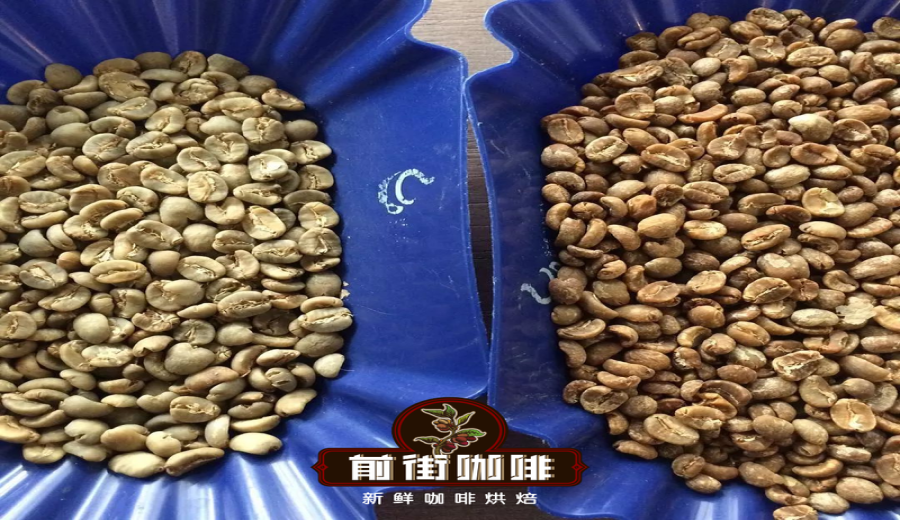
Introduction:Sumatran Mandheling coffee is renowned worldwide for its full-bodied and rich flavor profile, with its distinctive taste originating from the region’s unique geography and traditional processing methods. This article delves into the main producing areas of Mandheling, common processing techniques, and provides a detailed analysis of the flavor differences among several classic beans, including Lintong, Golden, Tiger, Aged, and Natural Mandheling. It also offers practical pour-over brewing suggestions and precise parameters to help coffee enthusiasts comprehensively master this classic Southeast Asian coffee, from bean selection to brewing.
When discussing the most representative coffee from Sumatra, Indonesia, “Mandheling” is undoubtedly the top choice. This coffee is not only popular for its bold and rich flavor but also for its complex origin characteristics and traditional processing methods that create a truly unique flavor profile. Even the image of the Sumatran tiger commonly found on its packaging symbolizes how this coffee, like the endangered big cat, is a rare treasure within Sumatra’s island ecosystem.
The Sumatran tiger is native only to the Indonesian island of Sumatra and can be found in lowland jungles as well as high-altitude forests, with a wild population of only about 400 to 500 individuals, making it extremely rare. Similarly originating from Sumatra, Mandheling coffee is also like this species of tiger — an important symbol of the local coffee culture. This coffee is mostly processed using the “wet-hulled” method, which gives it a distinctive personality characterized by low acidity, a full body, and earthy, spicy notes.
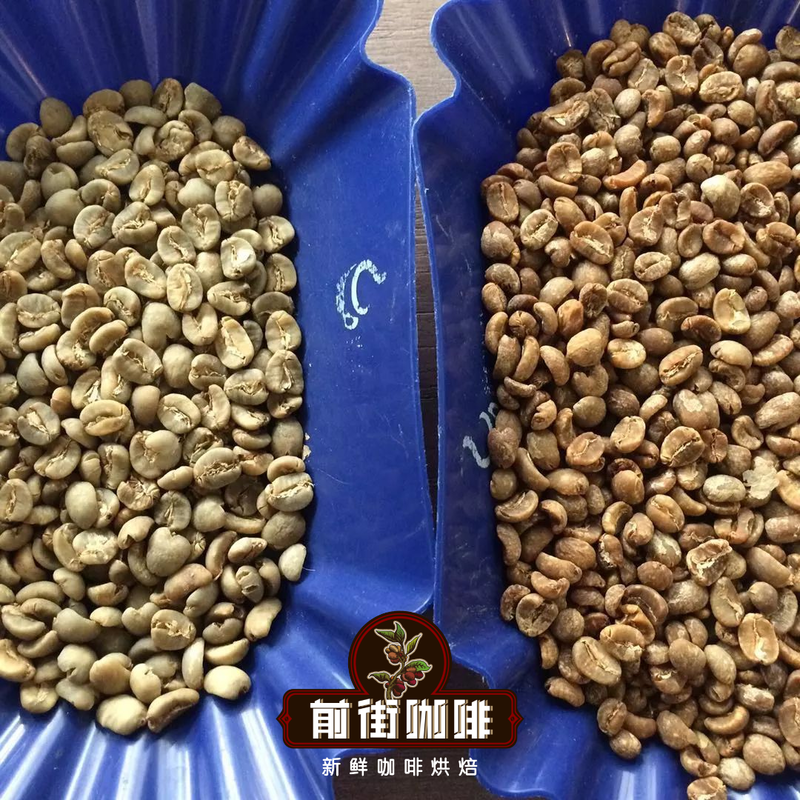
Coffee cultivation in Sumatra is mainly concentrated in two major regions: the southern area, centered around Lintong, Lake Toba, and Medan, is the traditional source of what is known as “Mandheling”; in addition, the Gayo Mountains in Aceh Province in the north also produce high-quality beans with distinctive profiles. The Mandheling produced in the Lintong region primarily consists of Typica and Catimor varieties, commonly processed via the wet-hulled method. Although there are occasional rumors that a small amount of Robusta genetics have been mixed in recent years, it remains predominantly pure Arabica, grown at altitudes of approximately 1100–1600 meters.
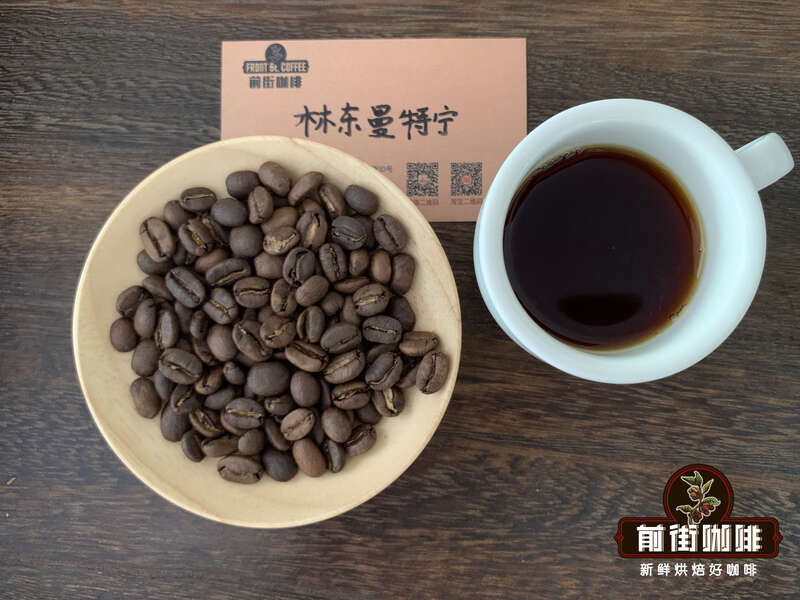
Lintong Mandheling is usually roasted to medium-dark to dark levels, with common flavor notes including nuttiness, caramel sweetness, herbal aromas, and subtle woody tones, presenting a stable and robust flavor profile.The Lintong Mandheling produced in this region is a representative of this style, and its wet-hulled processing gives the coffee layers of toast, nuts, pine, and herbs.
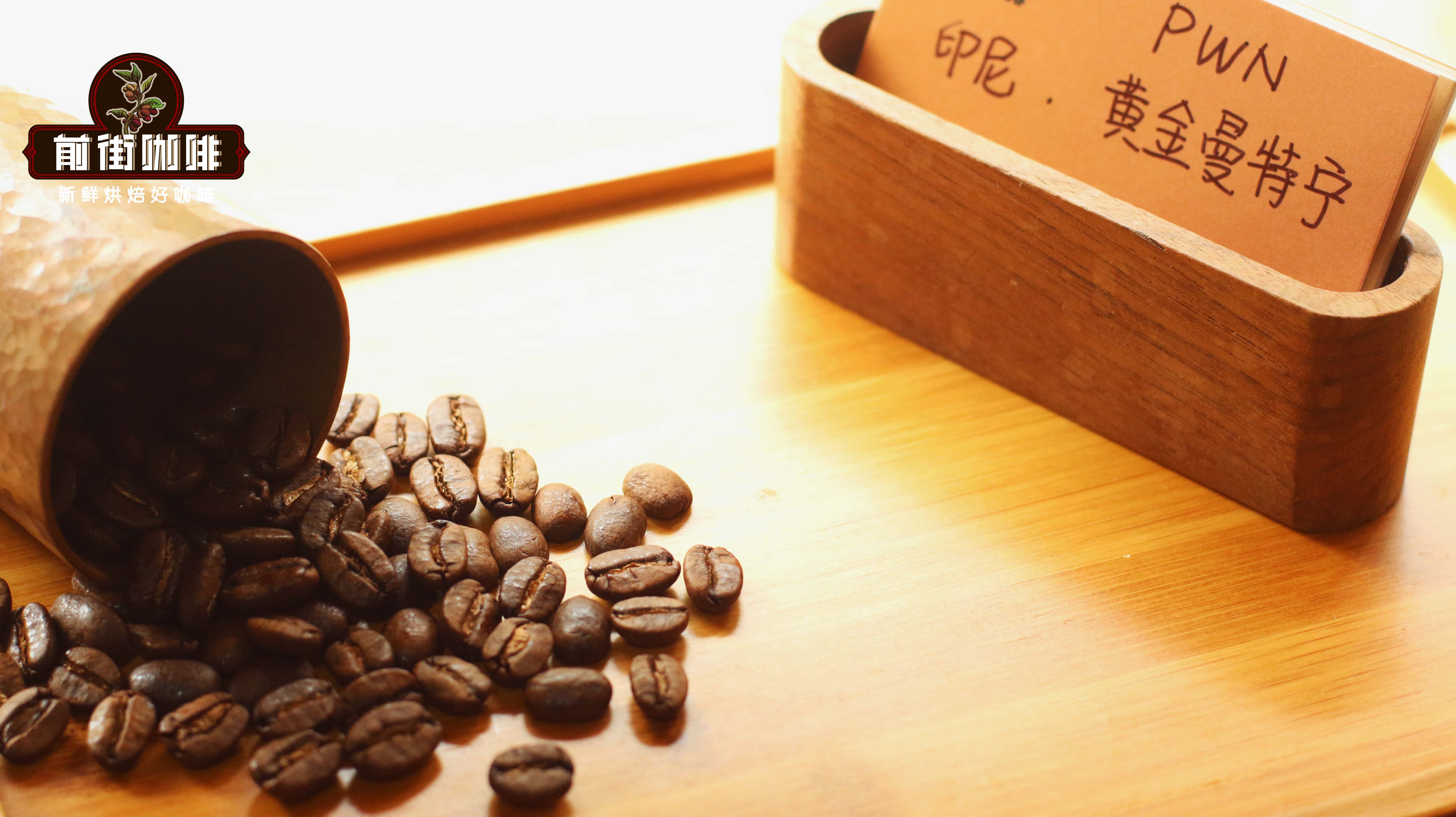
Another commonly seen variety, “Golden Mandheling,” comes from the Gayo Mountains in Aceh, Sumatra, at similar elevations. The name “Golden” not only refers to the beans’ slightly darker green hue but also stems from its strict green bean selection — only G1 grade beans are chosen, with fewer than 3 defective beans per 300-gram sample, uniform size, and mostly screen size 18 or above. These beans are also processed using the wet-hulled method, but due to their more carefully selected quality, they often exhibit a harmonious blend of spices, chocolate, nuts, and caramel, with a cleaner and brighter mouthfeel. It is a favorite choice for many coffee enthusiasts exploring Mandheling for the first time.
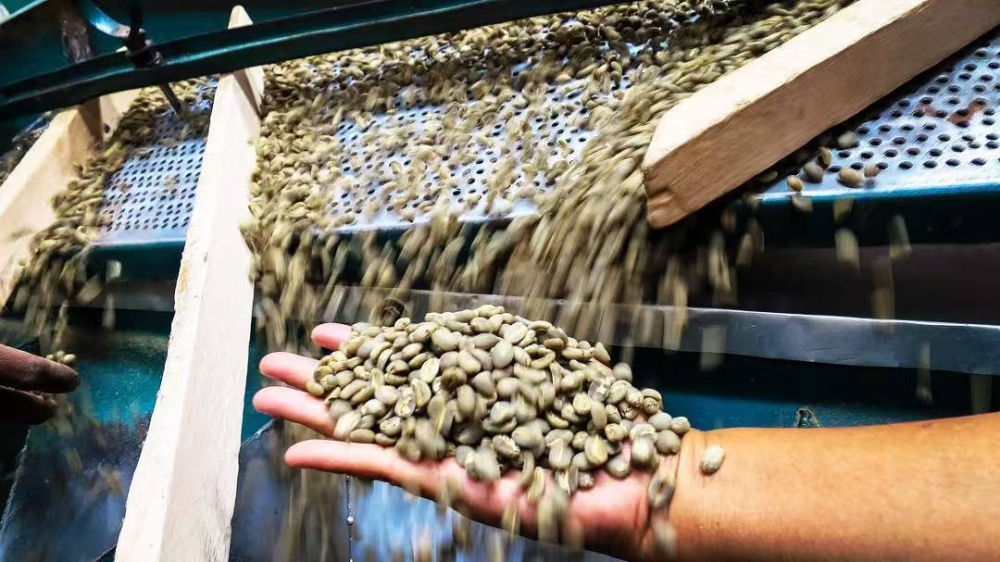
If Golden Mandheling showcases the refined side of Mandheling, then “Tiger Mandheling” presents a smoother and richer character. Grown at altitudes of around 1500 meters, the varieties include Catimor, Typica, and Sidikalang, and it is also processed using the wet-hulled method. Its flavor emphasizes a creamy, silky texture, a fusion of dark chocolate and nuts, often finishing with a hint of pine, resulting in a relatively balanced and approachable overall profile.
“Aged Mandheling” is a rather unique offering. Its processing does not simply involve prolonged storage but rather a deliberately controlled aging process that allows the coffee beans’ flavors to evolve over time. What may have originally been a more pronounced acidity and sharpness gradually transforms into a rounded, full-bodied profile with a calm, layered depth reminiscent of Pu-erh tea. Aged Mandheling often exudes woody, malty, and caramel aromas, with low acidity and ample sweetness, making it ideal for those who enjoy deep, rich flavors.
It’s worth mentioning that Mandheling was traditionally mostly dark roasted, for two main reasons: first, because earlier varieties and processing methods were less consistent, dark roasting helped reduce off-flavors; second, the Japanese market strongly promoted Mandheling in the past, and Japanese coffee culture favors intense flavors and low acidity, which dark roasting perfectly accommodates. Even today, dark roasting remains the mainstream choice for many Mandheling beans.
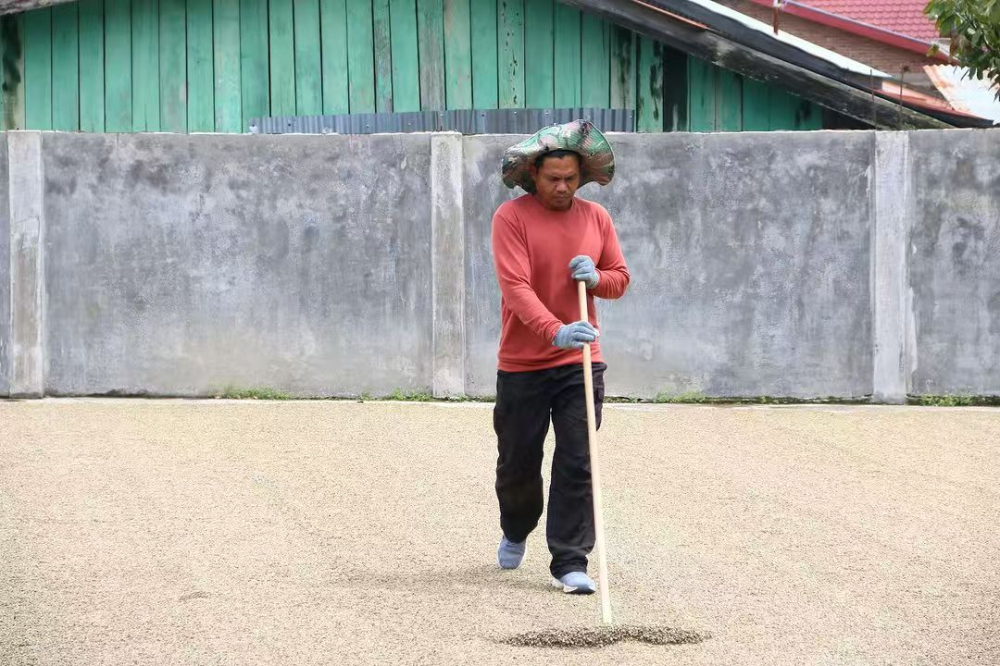
In addition to the classic wet-hulled Mandhelings mentioned above, Sumatra also has a rarer yet uniquely flavored “Natural Mandheling.” Produced at the Wahana Estate in the Lake Toba region, at altitudes of 1000–1700 meters, it uses Bourbon and Typica varieties and is processed using the natural (dry) method. When roasted to medium-light levels, this coffee can showcase pronounced tropical fruit aromas such as melon, mango, and peach, along with fermentation notes and moderate acidity, delivering a bright and sweet cup. It is a lighter and more fruit-forward representative within the Mandheling family.
For brewing recommendations, most Sumatran wet-hulled Mandhelings, due to their darker roast levels, are best brewed using immersion-focused devices such as the KONO, Kalita Wave, or French press to ensure stable extraction and highlight their full body. Water temperature should be controlled at86-88°C, avoiding excessive heat that could lead to over-extraction; the grind size is recommended to bemedium-coarse(slightly coarser than light-roast beans), and a1:13 to 1:14 coffee-to-water ratiois advised to enhance the expression of bold flavors.
For example, when using a KONO filter, it is recommended to use 15 grams of coffee, a water temperature of 86–88°C, and a grind size around Fuji Royal #4. Begin with a 30-gram bloom for 30 seconds, then pour up to a total of 225 grams, completing the brew in approximately 2 minutes. These parameters help balance fullness and any unwanted off-notes, and are suitable for medium-dark to dark roasted wet-hulled Mandhelings such as Lintong, Golden, Tiger, and Aged.
As for the rarer Natural Mandheling, which is typically medium-light roasted, it is recommended to switch to a V60 #01 filter, increase the water temperature to90°C, and adjust the grind size togranulated sugar level(approximately 80% passing through a #20 sieve), using the same 15-gram dose and a 1:15 coffee-to-water ratio. The brewing process is divided into three pours: start with a 30-gram bloom for 30 seconds, then pour 95–125 grams, and finally add 100–225 grams to reach 225 grams total, completing the brew in about 2 minutes and 10 seconds. This method helps fully express the fruit and fermentation layers, highlighting its sweetness and aroma.
To summarize the flavor profiles of each Mandheling type: Golden Mandheling offers balanced aromas, with distinct layers of chocolate and nuts, and a clean, long-lasting finish; Lintong Mandheling features prominent herbal and dark chocolate notes, with subtle earthy undertones; Tiger Mandheling delivers a smooth mouthfeel with a harmonious blend of dark chocolate and creamy notes; Aged Mandheling is dominated by rich woody and caramel tones, with almost no acidity and a lingering finish; Natural Mandheling showcases the freshness of tropical fruits and the charm of fermentation, with a balanced sweet and sour profile, ideal for those who prefer a brighter cup.
Whether you’re a beginner or a coffee enthusiast seeking new challenges, the Sumatran Mandheling series offers a rich and diverse range of flavor experiences. By understanding the producing regions, processing methods, and precise pour-over parameters, you’ll be able to delve deeper into the flavors of this classic coffee from the equatorial rainforest.
The above content is compiled by CoffeeHunters, a coffee news website.


