








Introduction:This article provides an in-depth comparison of the coffee bean characteristics of two premium African regions—Rwanda and Tanzania—analyzing everything from regional history, variety differences, processing methods to cupping flavors, helping you better understand these two distinctly flavorful African coffees. It also offers professional-level pour over recommendations and precise parameter settings, allowing you to easily recreate a professional-grade coffee experience at home.
Among the many African coffee-producing countries, Ethiopia and Kenya have always been the two most prominent stars, but in reality, Rwanda and Tanzania also possess coffee potential that should not be underestimated. These two East African nations, with their unique geographical environments and rigorous processing procedures, produce coffee beans with distinct yet equally remarkable flavor profiles. This article will analyze the characteristics of these two coffees from multiple perspectives and provide practical brewing suggestions to give you a deeper understanding of the diverse world of African coffee.
Rwanda: The Bright Acidity and Sweetness of Washed Bourbon
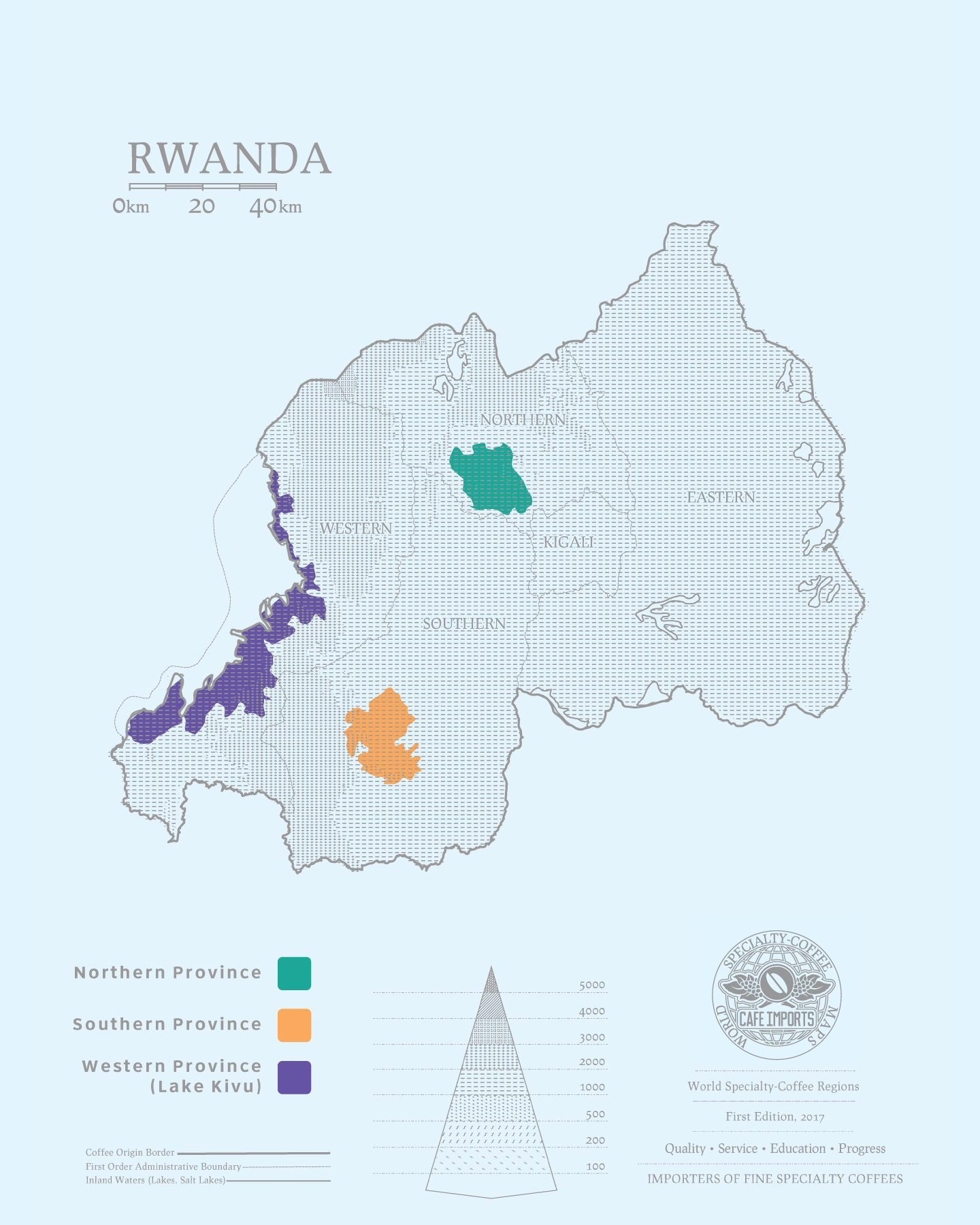
Although Rwanda is a landlocked country, it is surrounded by several major coffee nations. Its coffee industry dates back to the German colonial period in the early 20th century. Initially introduced by German missionaries, coffee cultivation long lacked attention due to the constraints of the colonial economic system. It wasn’t until the country gained independence and established an official coffee management authority that the industry gradually shifted toward quality-oriented production. Especially after the political turmoil of the 1990s, with international aid such as the U.S.-funded PEARL and SPREAD programs, a large number of washed processing stations were built, enabling Rwandan coffee to gradually emerge on the world stage.

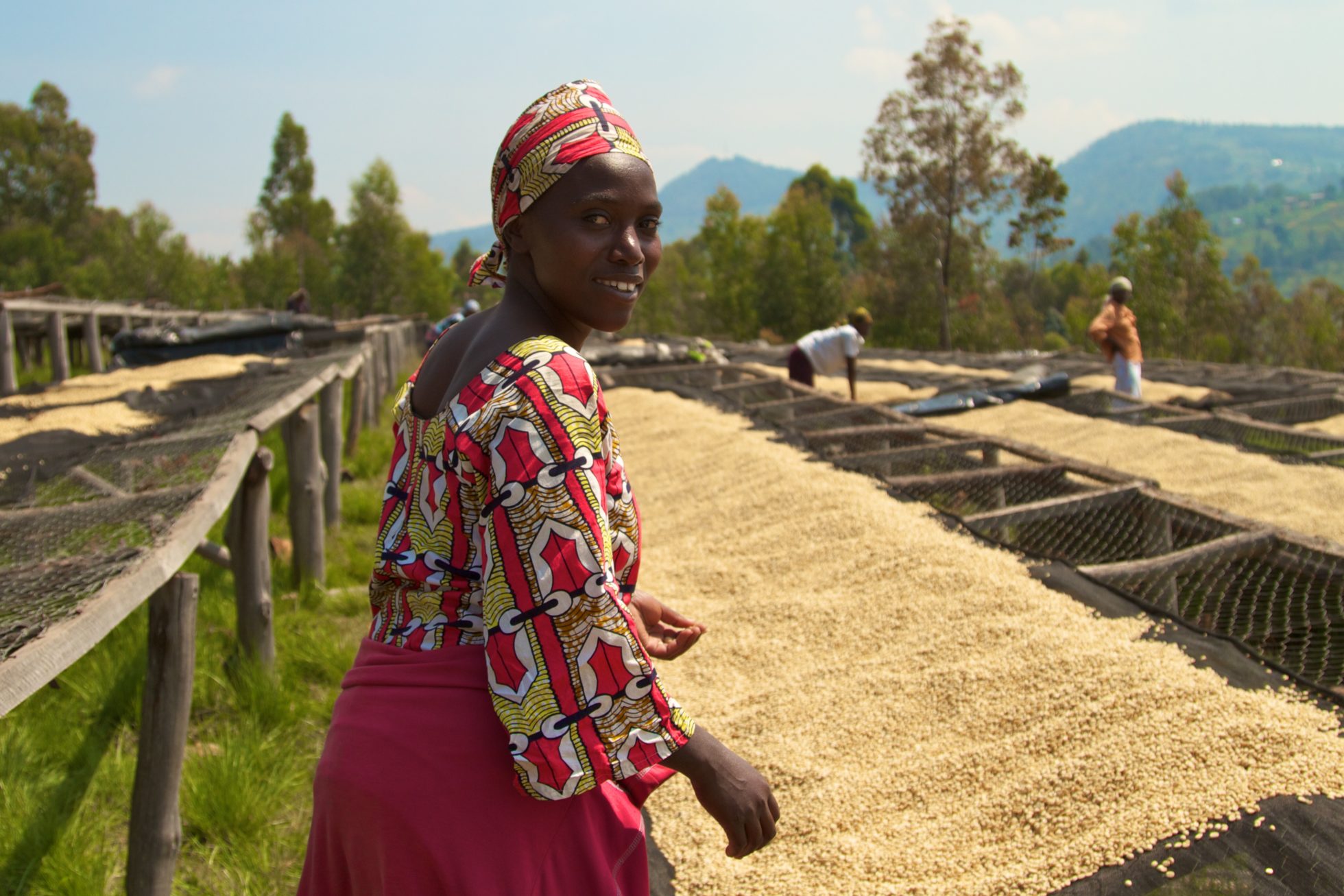
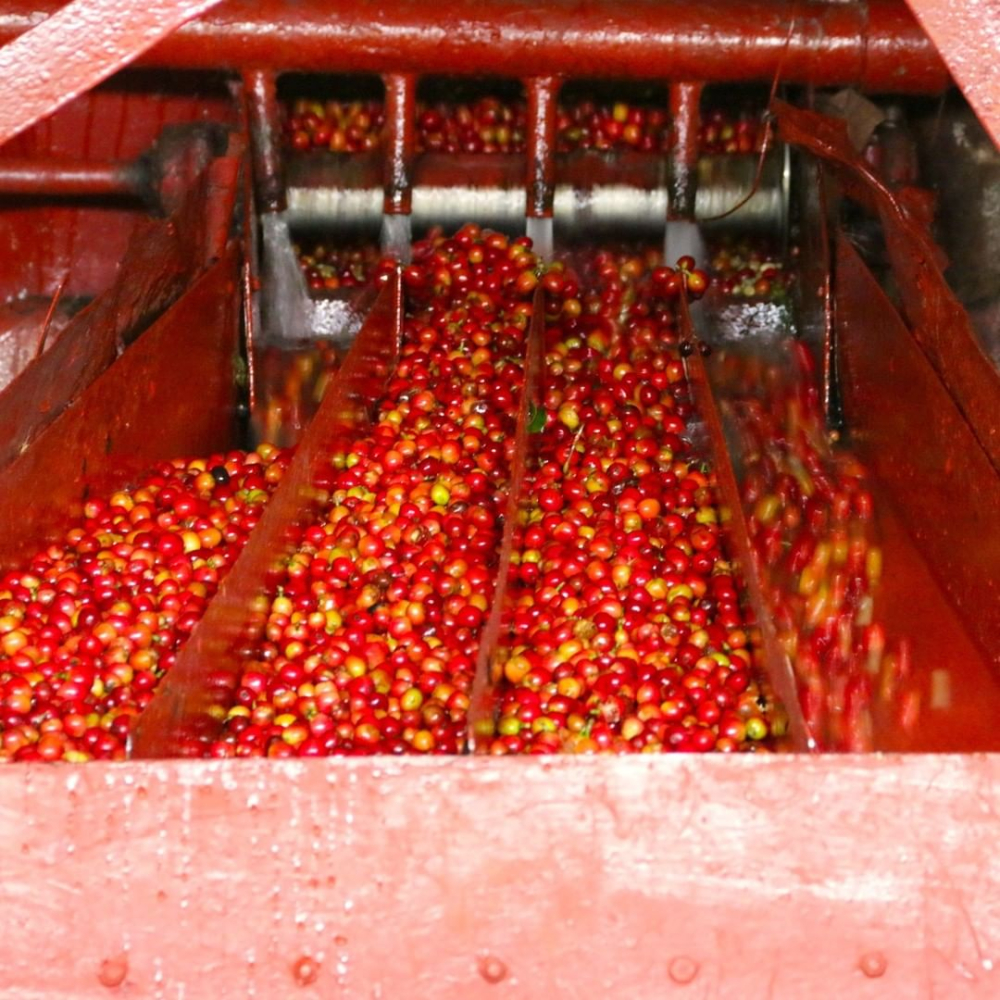
Currently, washed processing is the mainstream in Rwanda, with varieties such as Bourbon, Catucaí, and Catuaí being commonly used, grown at altitudes of around 1,500 meters. The washed process is meticulous, including hand-picking ripe cherries, removing the pulp, 12 to 18 hours of water fermentation, followed by prolonged sun drying to reduce moisture content to below 14%. This method fully highlights the coffee’s intrinsic flavors, particularly its bright, clear acidity and delicate fruity notes.
Rwandan coffee often exhibits cupping notes of citrus, berries, and cherry tomatoes, with a bright acidity and a finish of nuts and honey-like sweetness. The overall profile is balanced and layered. Among them, beans produced at the Gisakura Washing Station in the Nyamasheke region are especially well-known, making it ideal for coffee lovers who prefer bright and refreshing flavor profiles.
Tanzania: The Nutty Floral Notes of Typica
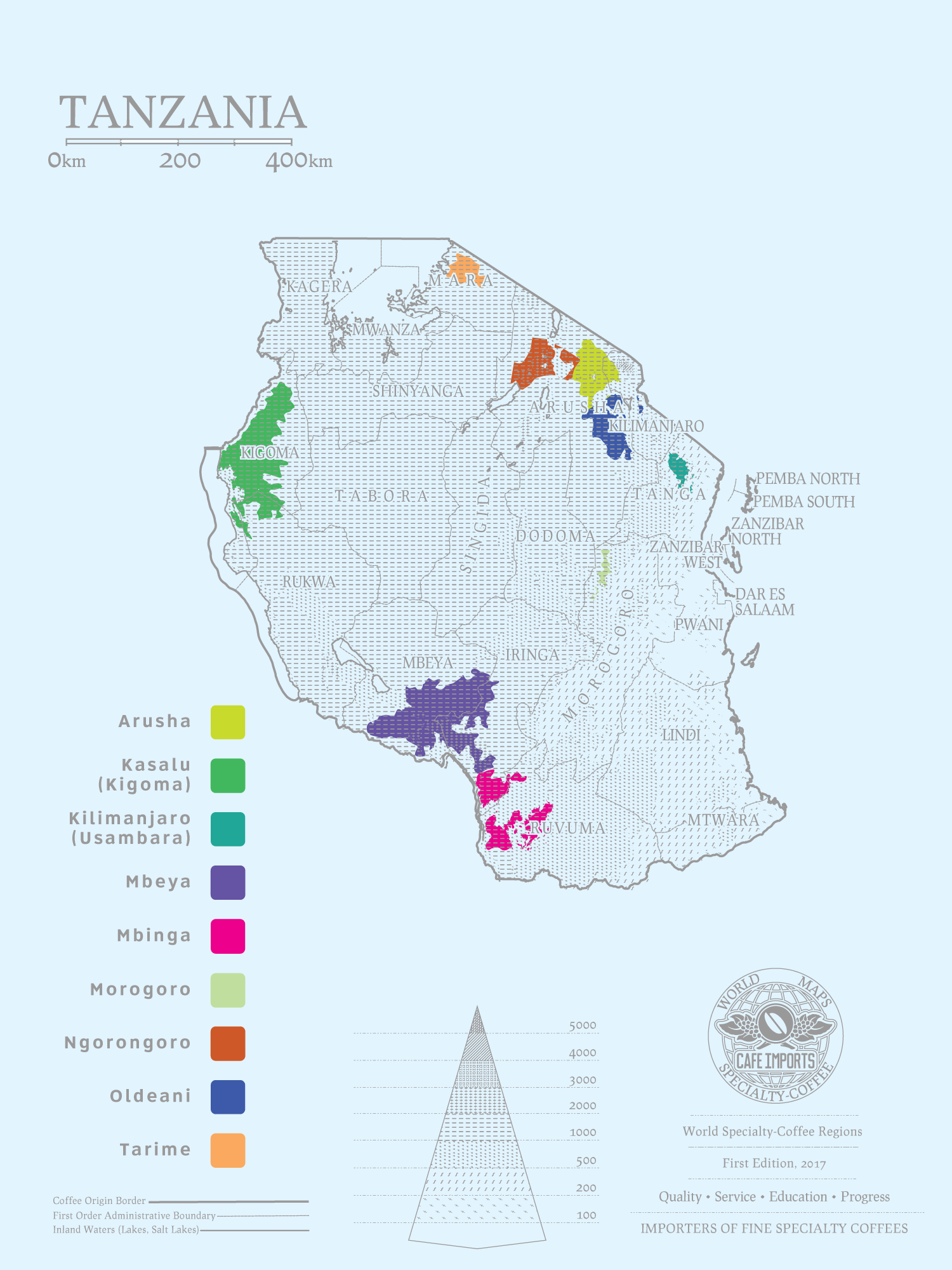
The story of Tanzanian coffee is inseparable from Mount Kilimanjaro, Africa’s highest peak. As early as 1893, Bourbon varieties were introduced to the region by missionaries, primarily planted in high-altitude mountainous areas at elevations ranging from about 1,150 to 1,500 meters. The country’s coffee-growing regions are concentrated in the north, with many high-quality estates located at the foot of this world-famous mountain.
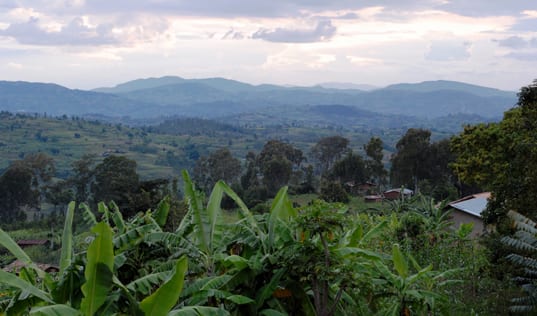
Tanzanian coffee also excels in washed processing. The process includes carefully selecting ripe fruit, depulping, natural fermentation for 12 to 24 hours, washing with clean water followed by soaking for another 24 hours, and finally sun drying. This method preserves the coffee’s richness and balanced acidity, while also imparting unique aromatic qualities.
In terms of varieties, Tanzania mainly grows Bourbon and Kent, with the southern-grown Bourbon being the most representative. This variety features firm, dense beans, typically with high sweetness and bright acidity. Although yields are relatively low, the quality is consistent. Tanzania’s coffee grading system is similar to Kenya’s, based on bean size, where Grade AA is the highest, featuring large, plump beans with uniform appearance.
During cupping, Tanzanian coffee often reveals soft floral and berry aromas, accompanied by honey-like sweetness and tea-like nuances. The overall mouthfeel is smooth and layered, making it suitable for those who prefer mild acidity and a full-bodied taste.
Processing Methods and Flavor Associations
Whether it’s Rwanda’s washed Bourbon or Tanzania’s washed Typica, both use the washed processing method. However, due to differences in region, variety, and microclimate, the final flavor profiles each present their own distinctive characteristics. Washed processing effectively highlights the regional traits and varietal essence of the coffee, especially in high-altitude growing regions, where it can showcase delicate acidity and complex aromatics.
Rwandan coffee, thanks to its high altitude and Bourbon heritage, features brighter, livelier acidity with pronounced berry and citrus notes. Tanzania, on the other hand, due to the Typica variety and the cool climate of the Kilimanjaro region, tends toward a gentler, more nuanced flavor profile, with floral, nutty, and tea-like notes, along with excellent sweetness expression.
Roasting and Brewing Recommendations
In terms of roasting, different strategies are recommended for each bean to bring out their optimal flavors. For Rwanda’s washed Bourbon, a medium-light roast is advised to preserve its bright acidity and fruity notes, as overly dark roasting can mask its delicate flavor layers. Tanzania’s washed Typica can be roasted slightly darker to a medium level to enhance its sweetness and body, though over-roasting should still be avoided to prevent flavor loss.
For brewing, it is recommended to use a Hario V60 filter, with water temperature controlled at 90°C, a coffee dose of 15 grams, a coffee-to-water ratio of 1:15, and a grind size of approximately 10 on the EK43s (equivalent to 80% extraction through a #20 sieve). Use a pulsed pouring method: start with a 30-second bloom using 30 grams of water, then pour in a circular motion with a slow stream until reaching 125 grams for the first pour. After the water level drops, continue pouring up to 225 grams to finish. The total brew time is around 2 minutes. This parameter setup helps balance acidity and sweetness, highlight flavor layers, and showcase the unique characteristics of each region.
Flavor Summary
Rwandan coffee features bright fruity acids led by citrus, berries, and plums, with nutty notes in the mid-palate and a caramel-like sweet finish. The overall flavor is fresh and lively, ideal for those who enjoy a balanced sweet-and-acidic profile. Tanzanian coffee showcases soft floral notes, berries, and honey sweetness, paired with nuttiness and tea-like undertones. The mouthfeel is smooth and layered, suiting those who prefer a full-bodied, lower-acid coffee.
Whether you’re a pour over beginner or an advanced enthusiast, these two premium African coffee beans can add a unique flavor experience to your daily coffee routine. By understanding their regional backgrounds, processing methods, and recommended brewing techniques, you’ll be able to more precisely appreciate their subtle differences and enjoy the pleasure of coffee exploration.
The above content is compiled by CoffeeHunters, a coffee news website.


