







Introduction:The appropriate coffee grind size is key to unlocking flavor and ensuring efficient extraction. Different brewing methods—such as French press, pour over, cold brew, and espresso machines—require distinctly different coffee particle sizes. This article provides a detailed breakdown of the grind size ranges for various brewing devices, includes 20-mesh sieve pass rates and practical grind setting references, and explains how to fine-tune based on bean roast level and density, helping you more precisely dial in the grind settings for each brewing method.
The success of coffee extraction largely depends on the fineness or coarseness of the grind. From the powder-fine grind used for espresso to the coarse grind akin to sea salt for French press, each brewing method has an optimal particle size. Understanding and mastering these differences not only improves extraction efficiency but also allows the aroma and complexity of the coffee to shine through more fully.
However, “coarse” and “fine” are not absolute standards but vary depending on the specific device and brewing method. To accurately set your grind size, in addition to referring to general guidelines, it’s recommended to calibrate using scientific methods such as sieve pass rate for more stable and repeatable results.
In the coffee community, cupping is a widely accepted and valuable standard. The grind size used for cupping typically corresponds to a 20-mesh Chinese standard sieve with a pass rate between 70% and 75%, which roughly equates to setting 10.5 on the well-known electric grinder EK43s. A 20-mesh sieve has an aperture of 0.85mm—it’s a common and standardized particle-sizing tool that’s also quite simple to use: just place the ground coffee in the sieve, gently shake until no more particles fall through, then weigh the portion that passed through to calculate the pass rate. For example, if 15.2 grams of a 20-gram coffee sample passes through the sieve, that’s a 76% pass rate, indicating a relatively fine grind.
With this standard as a benchmark, we can further derive the applicable grind size ranges and corresponding parameters for other common brewing devices.
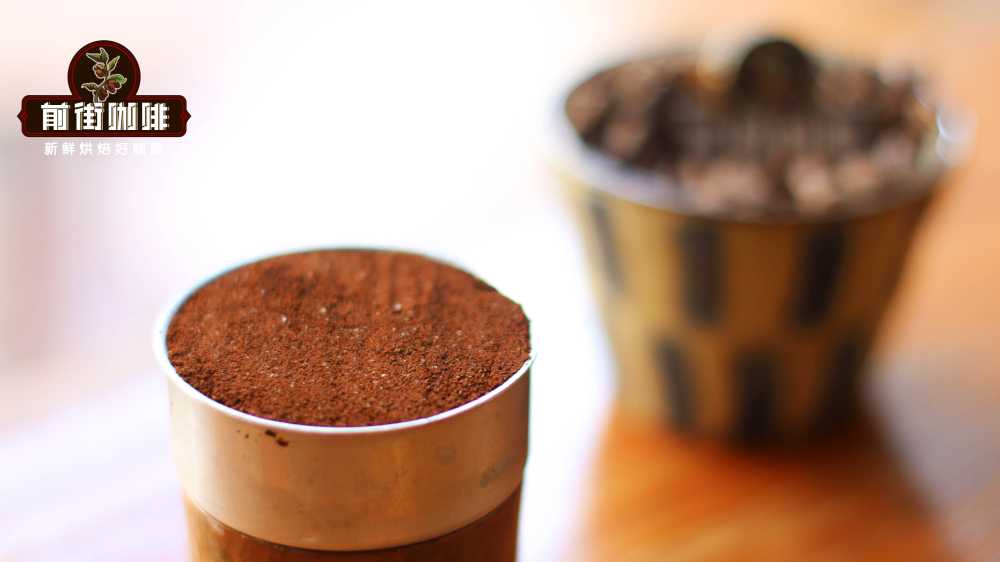
The French press is one of the most common home brewing tools, and it operates primarily through immersion, where coffee grounds remain in contact with hot water for an extended period. As a result, a relatively coarse grind is needed to avoid over-extraction while still allowing the metal filter to effectively separate out coffee grounds. Generally, a pass rate between 68% and 75% on a 20-mesh sieve is recommended for French press, which is not far off from the cupping standard. If using an EK43s grinder, this typically corresponds to a setting of around 10.5 to 11. However, roast level also affects the ideal grind size: medium-light roasted beans (such as a certain brand's fruit Ding Ding or Kenyan beans) can be ground slightly finer, with a pass rate of around 72% to 75%, to bring out more floral and fruity notes; whereas medium-dark roasted beans (like a certain brand’s Golden Mandheling) are better suited to a slightly coarser grind, with a pass rate of about 68% to 71% (EK43s setting 11), to avoid extracting too much bitterness and unwanted sediment.
Pour over coffee is mostly drip-based, where water flows downward through the coffee bed, with total extraction time generally around 1 minute 30 seconds to 2 minutes 30 seconds. Due to the shorter contact time, a grind that’s too coarse can easily lead to under-extraction, resulting in a flat and dull cup. Therefore, the grind for pour over is generally finer than the cupping standard, typically falling within a 20-mesh sieve pass rate of 70% to 80%. Taking EK43s as an example, the corresponding setting is around 10 to 10.5. Additionally, medium-light roasted beans suit a finer grind, with a pass rate of 75% to 80% (around setting 10), to fully highlight acidity and aroma; medium-dark roasted beans are better with a slightly coarser grind, with a pass rate of 70% to 75% (setting 10.5), helping to balance body and clarity.
Cold brew and ice drip coffee use cold water throughout the extraction process, which has a slower penetration rate, so a finer grind is needed to increase surface area and extraction efficiency. However, there’s a delicate balance here: a grind that’s too fine can lead to cloudy coffee and increased filtration difficulty, especially in ice drip where it may also cause water pooling and poor flow through the coffee bed. Therefore, it’s recommended to keep the grind for cold brew and ice drip within a 20-mesh sieve pass rate of 80% to 85%. If you prefer a stronger flavor, you can opt for a setting closer to 85%; for a cleaner and crisper taste, adjust the pass rate to around 80%.
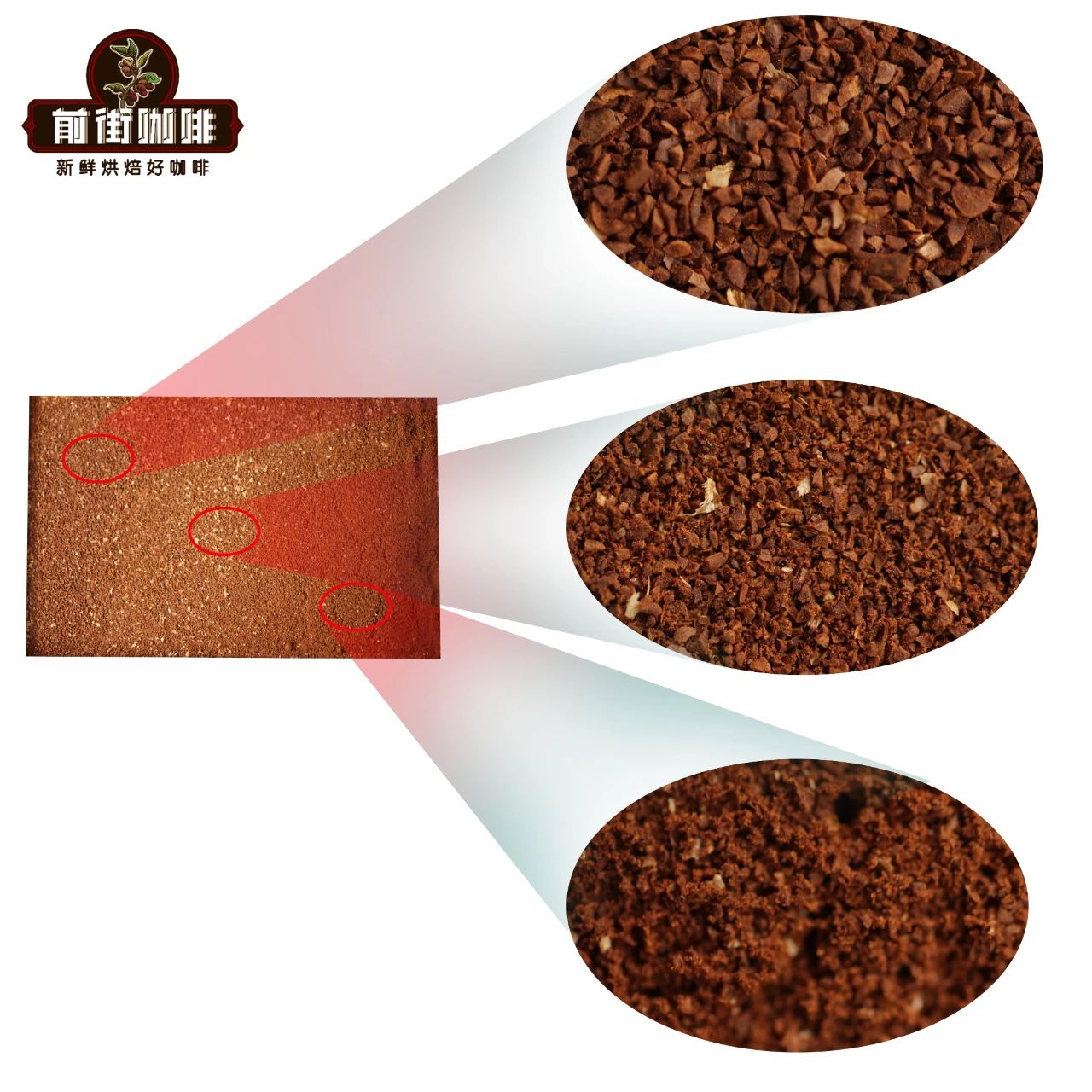
It’s important to note that even at the same grinder setting, coffee beans with different densities and roast levels may produce varying actual particle sizes. For example, grinding a certain brand’s Yirgacheffe at EK43s setting 10 might yield a 20-mesh sieve pass rate of about 80%; but switch to a certain brand’s Colombian Sidamo, and the same setting might only result in a 75% pass rate. Therefore, if you find the extraction performance isn’t as expected, it’s advisable to retest and fine-tune the grind setting using the same coffee beans to ensure accuracy.
As for espresso machines, due to the high-pressure extraction method, the required grind is extremely fine, almost powder-like, making sieve pass rate less suitable as the main criterion. Judging whether the espresso grind is appropriate mainly relies on actual extraction performance, such as the flow rate and flavor profile of the shot. A common reference standard is using 20 grams of coffee to extract around 40 grams of espresso in approximately 28 seconds—this extraction ratio is considered stable and a reliable benchmark. In practice, you can start by fixing this extraction recipe, then gradually adjust the grinder setting until you achieve the desired flow rate and flavor balance, and make further personal taste adjustments from there.
The above content is compiled by CoffeeHunters, a coffee news website.


