







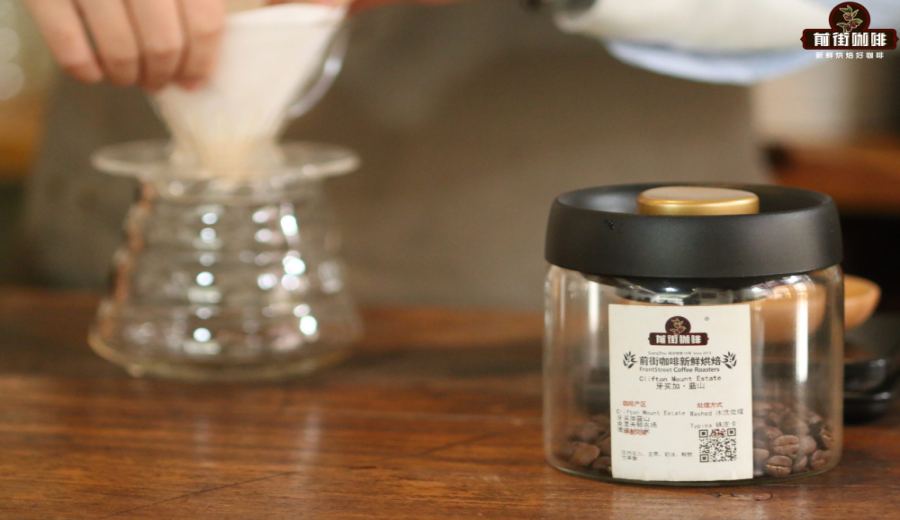
Introduction:Jamaican Blue Mountain coffee is hailed as the finest in the coffee world, yet few have had the chance to truly experience its essence. This article delves into the three main categories of Blue Mountain coffee, its rigorous grading standards, and compares the flavor differences between washed and natural processing methods. It also includes professional brewing parameters and real-world flavor experiences, offering a comprehensive understanding of this legendary coffee — from its origin to brewing details.
Jamaican Blue Mountain coffee is renowned worldwide for its exceptional flavor and scarce production. However, much of what is marketed as "Blue Mountain" coffee consists of blends with similar flavor profiles, rather than beans genuinely grown in the Blue Mountain region. This article will provide a detailed introduction to the three main types of Blue Mountain coffee, the basis of its grading system, and an analysis of the characteristics and differences between washed and natural processing methods, guiding you through everything from the region’s history to practical brewing.
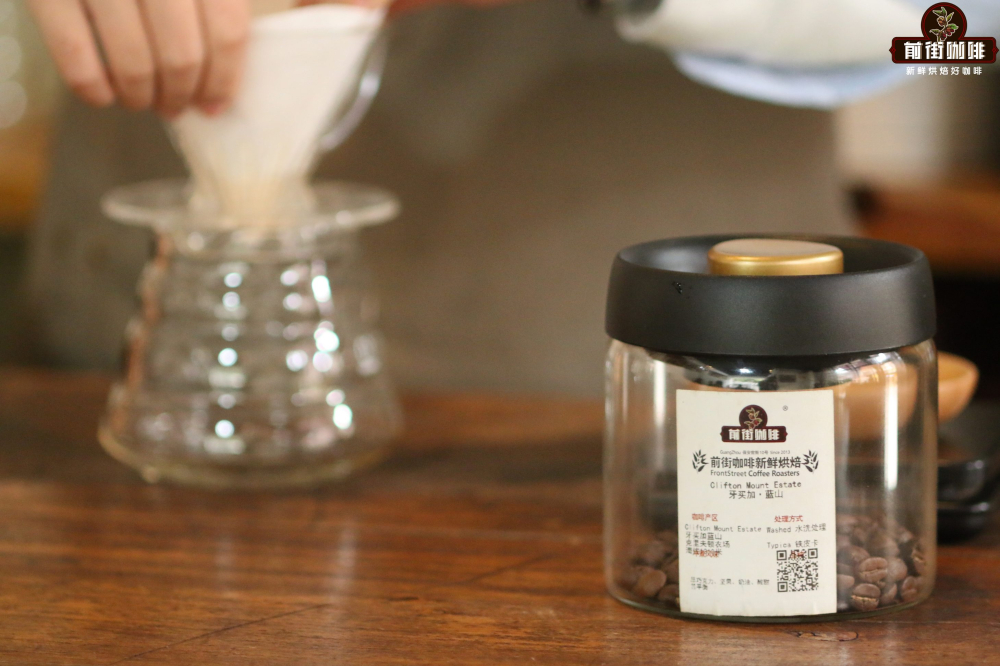
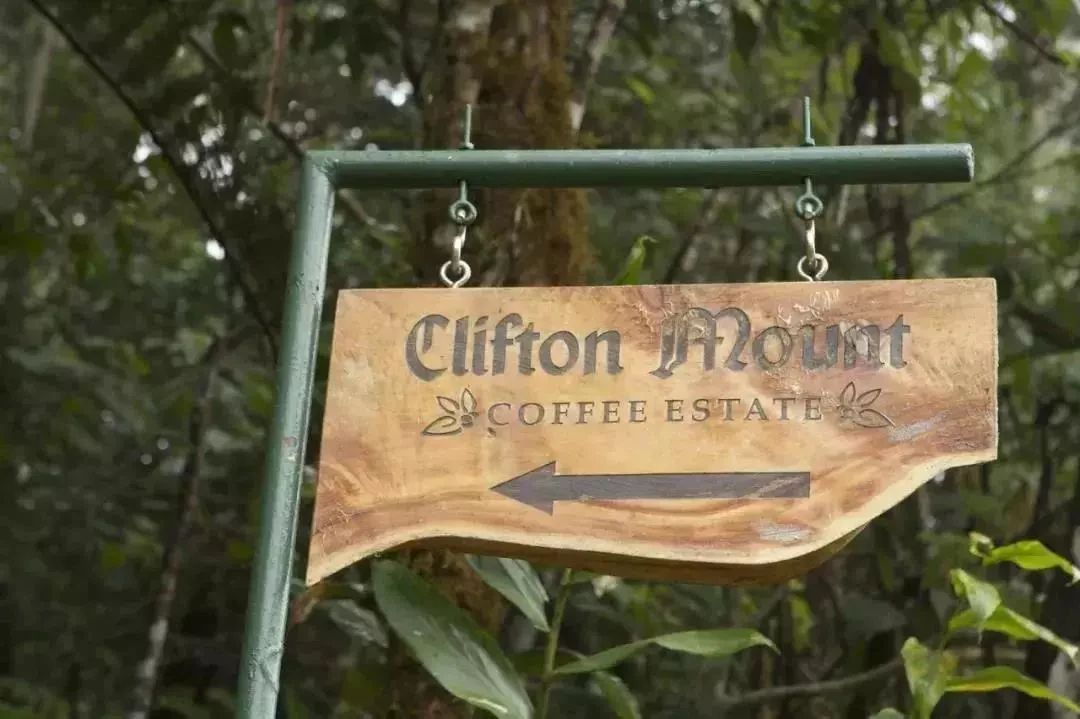
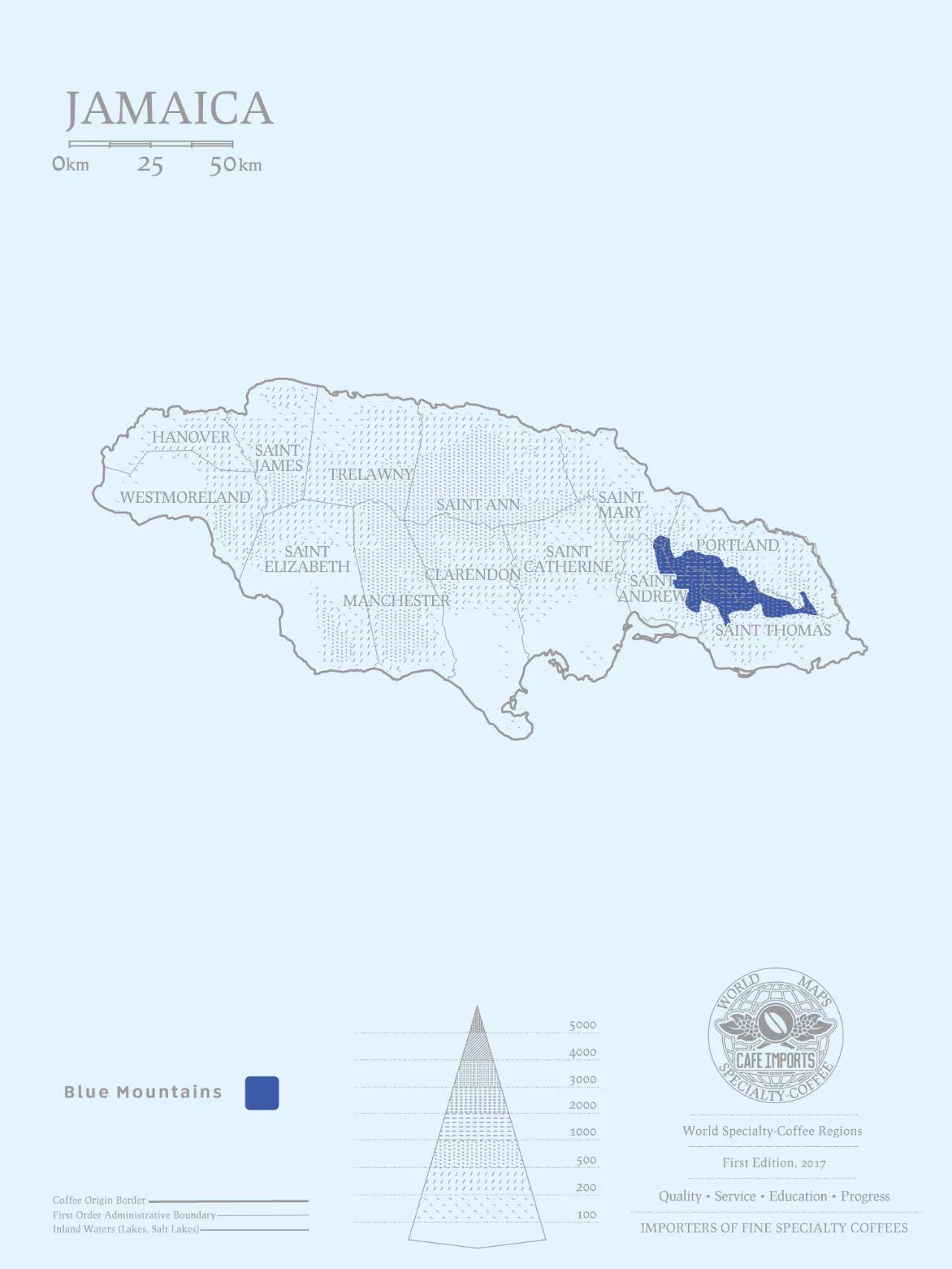
The Blue Mountain coffee region is located in the Blue Mountains of Jamaica, at elevations ranging from approximately 910 to 1700 meters. The cool, foggy climate combined with fertile volcanic soil provides an ideal environment for coffee cultivation. The area mainly grows the Typica variety, among which the most prestigious is Blue Mountain No.1. Not only are its beans plump with a low defect rate, but it also offers a layered flavor profile, balancing sweetness, acidity, and body.
Currently, Blue Mountain coffee is divided into four main grades based on bean size, defect rate, and processing method: NO.1, NO.2, NO.3, and Peaberry (PB). Among these, NO.1 is the highest grade, requiring at least 96% of the beans to pass through a 17/18 mesh sieve, with a defect rate not exceeding 3% and a moisture content of about 13%. These beans offer the purest and most harmonious flavors, and are widely recognized as the pinnacle of quality. NO.2 and NO.3 use 16 and 15 mesh sizes respectively, with defect rates also strictly controlled below 2%, making them suitable for coffee lovers seeking good value. Peaberry (PB), on the other hand, refers to naturally occurring single round beans, which often have more concentrated flavors and are quite rare.
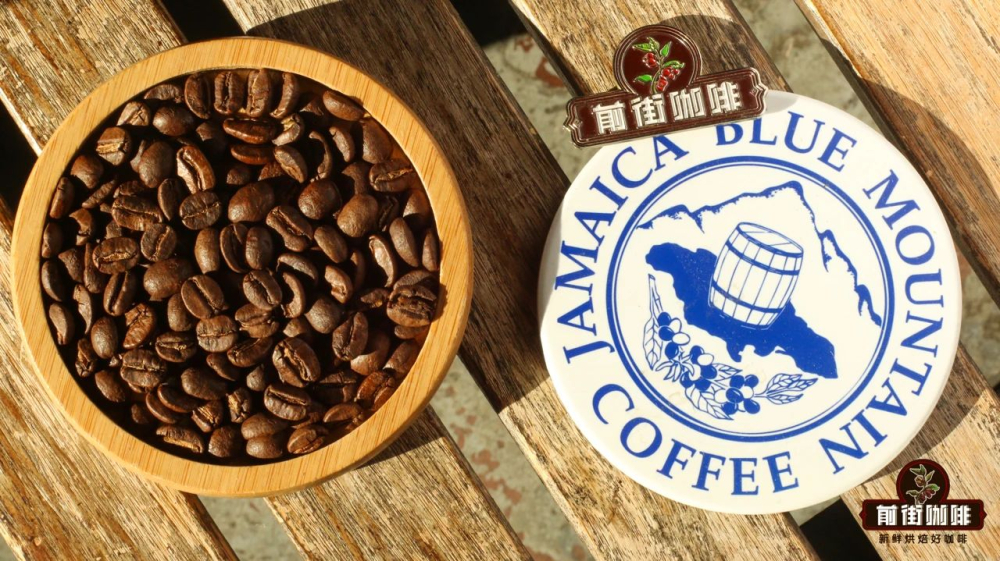
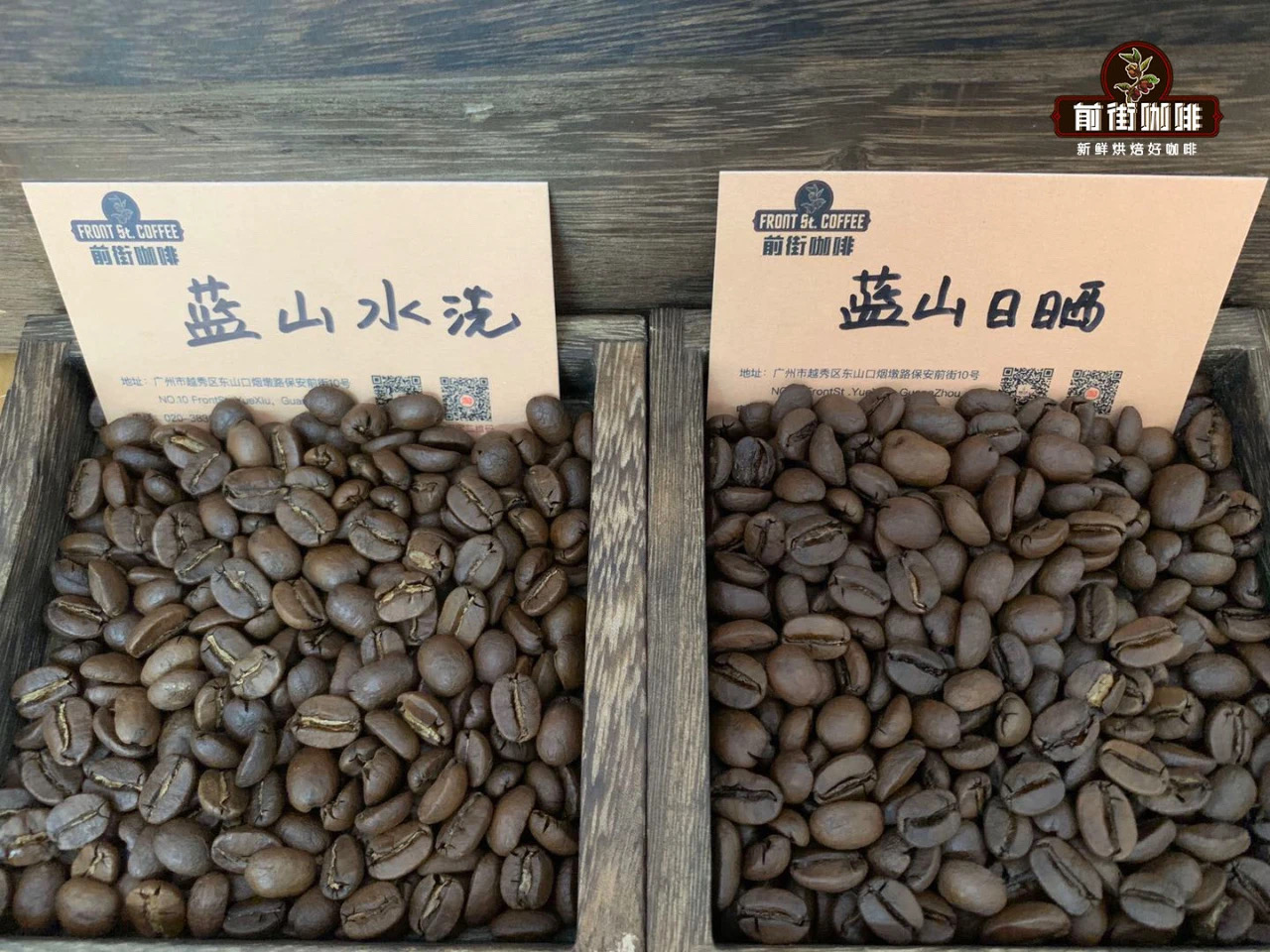
In terms of processing, Blue Mountain coffee traditionally employs the washed method, which fully highlights the clean, origin-specific flavors. It typically features bright acidity and a refreshing mouthfeel, with initial notes of brown sugar and berries, followed by nutty and cocoa undertones in the mid-to-late stages. The overall body is creamy and richly layered. However, with the diversification of specialty coffee trends, local producers have also started experimenting with natural processing, which — though more challenging — has successfully revealed a different personality.
Naturally processed Blue Mountain coffee, while from the same origin, shows distinct flavor characteristics. It generally presents a richer profile of dark chocolate and nuts, with high clarity and brightness, excellent body, and a well-balanced acidity-sweetness-bitterness ratio. The overall taste is round and layered. Though not mainstream, this processing method offers another option for consumers who prefer bold flavors.
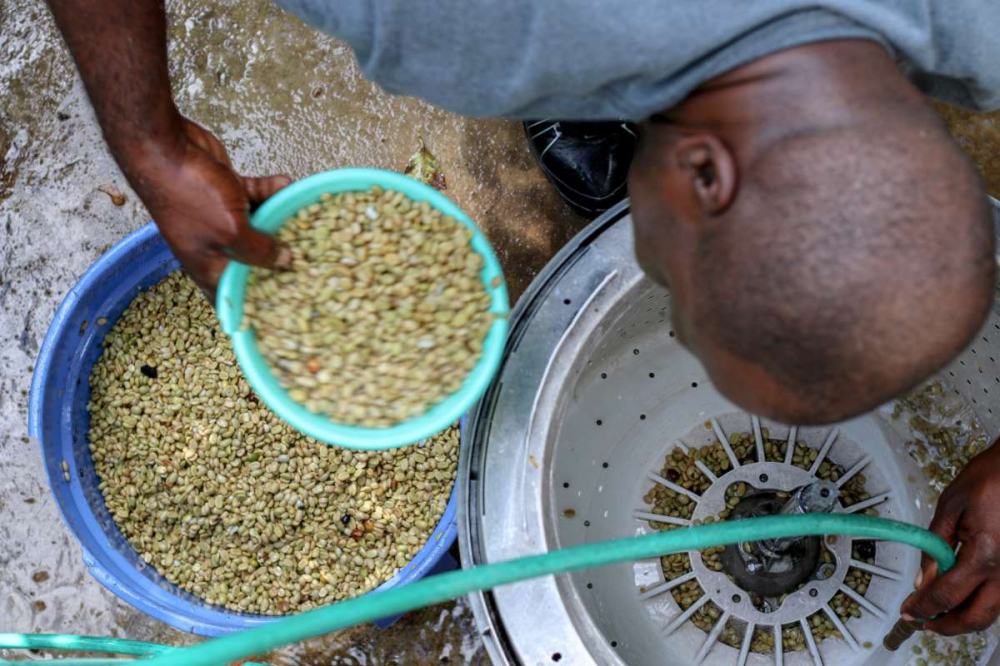
The history of Blue Mountain coffee dates back to the 18th century, when British colonists introduced Typica coffee trees to the Blue Mountain region of Jamaica. Thanks to the high altitude and unique microclimate, the coffee produced there quickly gained favor with European royalty. In the early 19th century, there were as many as 686 Blue Mountain coffee plantations, exporting up to 15,199 tons, making it one of the major coffee-producing regions in the Western Hemisphere. However, after the abolition of slavery, the labor force sharply declined, leading to a sudden drop in coffee output. After several industry transformations, it wasn’t until 1944 that the Jamaican government established a centralized washing station to strengthen quality control, gradually restoring the reputation of Blue Mountain coffee.
The Jamaican Coffee Industry Board, established in 1950, set strict quality standards and added official seals to exported beans. Starting in 1981, the government further invested in expanding coffee-growing areas. However, the actual planted area of Blue Mountain coffee today is only about 6,000 hectares, which is extremely limited. As a result, true "Blue Mountain" coffee is only grown in specific areas above 2,200 feet (approximately 910 meters) in elevation, explaining its high price and rarity.
To identify genuine Jamaican Blue Mountain coffee, consider several key factors: First, it must come with a quality certification issued by the Jamaica Coffee Industry Board; second, confirm whether it was processed and exported by government-authorized facilities; and third, check for a certificate of origin. Additionally, authentic Blue Mountain coffee is always shipped in wooden barrels, unlike the jute sacks commonly used in other regions — another important feature for authenticity.
The grading of Blue Mountain coffee is based not only on bean size but also on strict regulations regarding defect rate and moisture content. Blue Mountain No.1 requires that over 96% of the beans pass through a 17/18 mesh sieve, with a defect rate not exceeding 3%. Blue Mountain No.2 and No.3 use 16 and 15 mesh sizes respectively, with defect rates also tightly controlled below 2%. Peaberry (PB) consists of single round beans of 10 mesh size, maintaining equally high standards. As for mixed beans and fine beans, they are mostly for samples or special purposes and are rarely found on the market.
For brewing, this article tested using the KONO dripper for pour over, which effectively showcases the rich and rounded character of Blue Mountain coffee. Recommended parameters are as follows: 15 grams of coffee grounds, a 1:15 coffee-to-water ratio, water temperature controlled at 88–89°C, and grind size around 75% passing through a 20-mesh sieve (medium-coarse). The brewing steps include a 30-second bloom with 30 grams of water, followed by slow circular pouring to 130 grams, then a faster pour to 195 grams total, adding 65 grams in the second phase. Total brew time is about 1 minute and 50 seconds. These parameters effectively bring out the rich layers and full body of Blue Mountain coffee.
In terms of flavor, naturally processed Blue Mountain coffee offers a pronounced brown sugar sweetness and berry acidity upon entry, with nutty and cocoa notes emerging in the mid-to-late stages. The mouthfeel is as smooth as cream, and the finish lingers with the aroma of walnuts, delivering a rich and harmonious overall profile. Washed Blue Mountain, on the other hand, centers on dark chocolate and nut flavors, with a clean and bright profile, well-balanced acidity, sweetness, and bitterness, and an outstanding body that feels fresh and bright. Both processing methods have their unique merits and are worth savoring by coffee enthusiasts.
In summary, Jamaican Blue Mountain coffee is not only a gift of geography and climate, but also the result of strict controls and exquisite craftsmanship. From its three main categories and four grades, to the flavor differences between washed and natural processing, every aspect reflects its unique value as a coffee masterpiece. Whether you’re a newcomer exploring high-end coffee or a seasoned enthusiast chasing ultimate flavors, delving into the mysteries of Blue Mountain coffee will add an unforgettable depth to your coffee experience.
The above content is compiled by CoffeeHunters, a coffee news website.


