







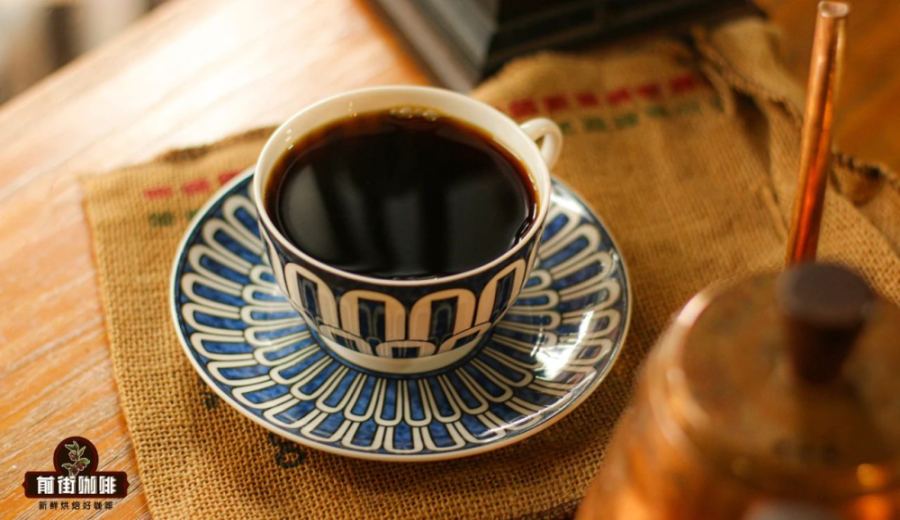
Introduction:Want to brew outstanding-tasting and great-value coffee at home? This article selects five recently popular affordable specialty coffee beans, including Hua Kui, Musician Series Mozart, PWN Golden Mandheling, Kenya Little Tomato, and Colombia Geisha. It details their regional characteristics, flavor profiles, and offers practical pour over recommendations — covering coffee-to-water ratio, water temperature, grind size, and pulsed pouring techniques — allowing you to easily replicate a professional-grade cup of coffee.
Coffee beans from around the world exhibit distinctly different flavor profiles due to variations in climate, soil, and processing methods. For example, African beans often exude captivating floral notes and bright citrus tones, Asian beans tend toward rich herbal, nutty, and spicy layers, American beans are known for their full-bodied and balanced chocolatey foundation, while island beans such as Jamaican Blue Mountain showcase an excellent balance between nuts and cocoa.
If you’re looking for a daily brew that retains excellent flavor while offering great value for money, consider the following five recently well-received specialty coffee beans: Hua Kui, Musician Series Mozart, PWN Golden Mandheling, Kenya Little Tomato, and Colombia Geisha. Each offers unique regional characteristics and clear, bright flavor expressions, all freshly roasted and ideal for everyday pour over enjoyment.
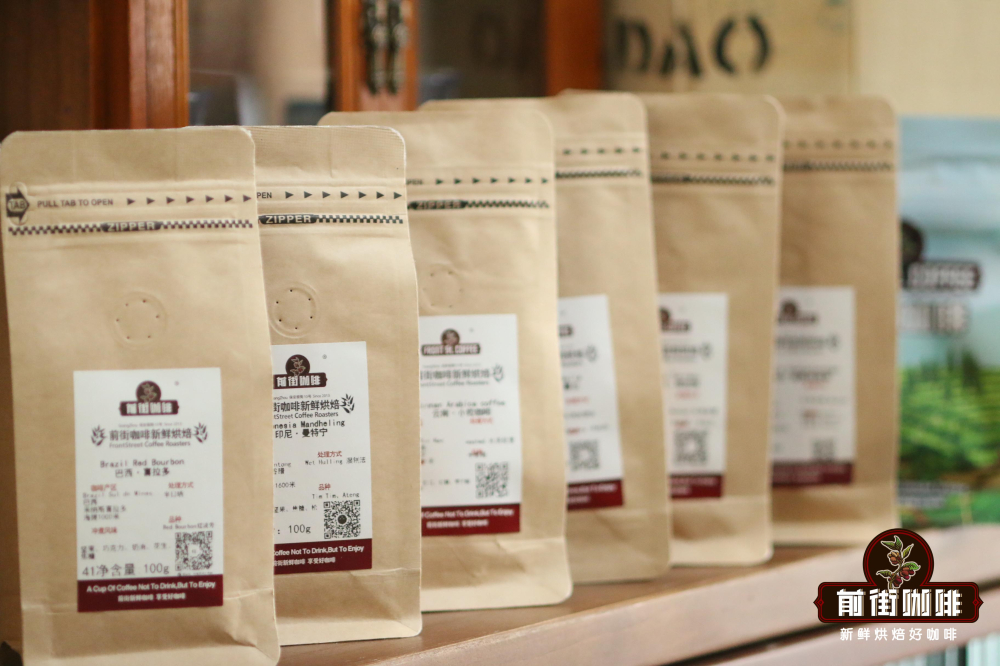
Many consumers overlook the crucial step of green bean selection when buying roasted beans. In fact, some brands manually sort and remove visibly defective beans before roasting. This process helps ensure that the final roasted beans maintain stable flavor quality even if there are slight variations in green bean grade. As a result, many customers familiar with the internal process often choose the brand’s regular coffee bean series for daily drinking.
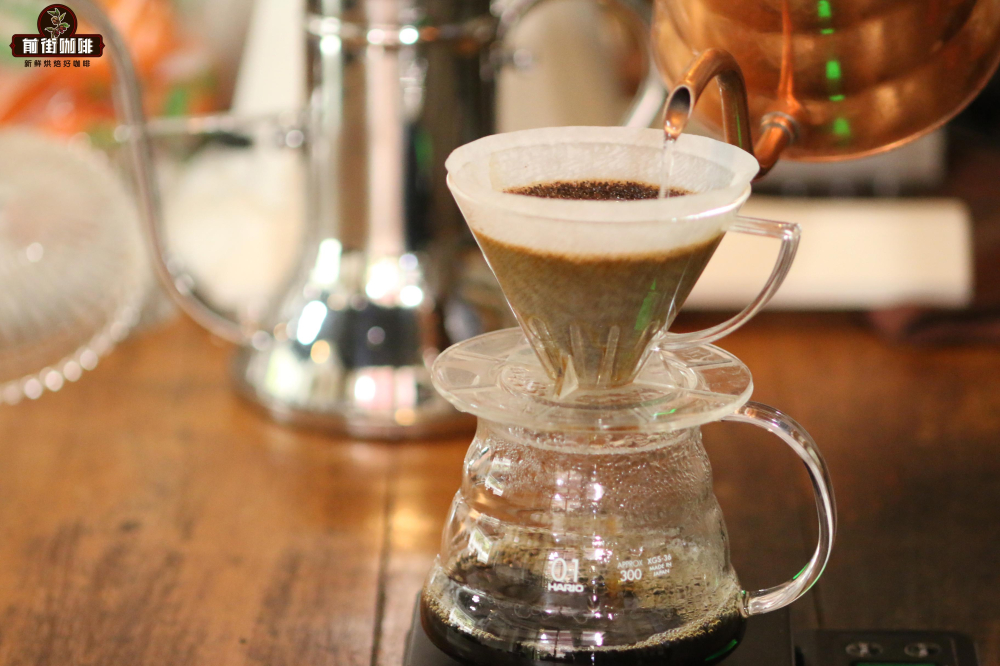
For pour over brewing, some brands recommend using fixed coffee dosage and coffee-to-water ratio as base parameters, namely 15 grams of coffee grounds with a 1:15 coffee-to-water ratio, which equals a total brew water volume of 225 grams. On this basis, water temperature and grind size can be further fine-tuned according to each bean’s roast level and flavor characteristics to achieve optimal extraction.
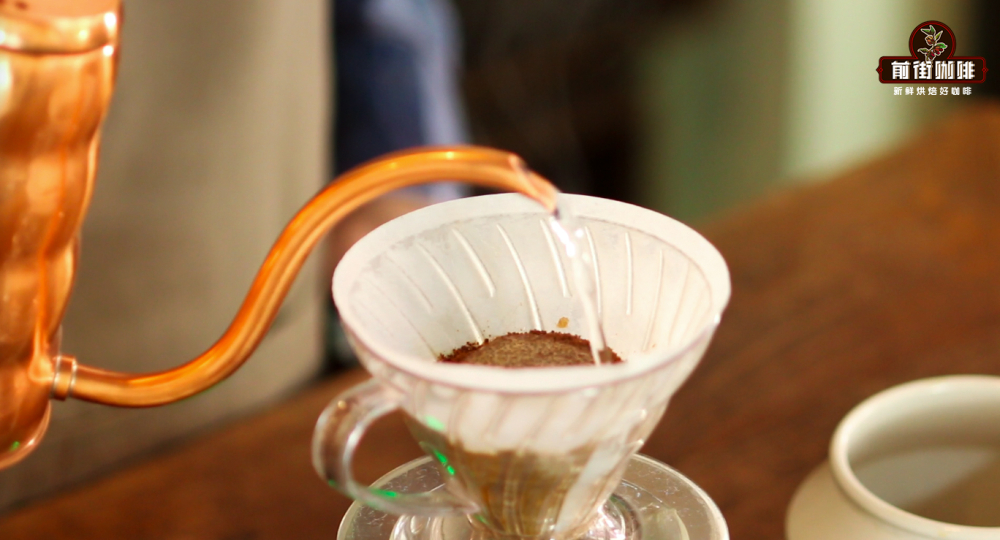
In practice, some brands commonly use what is called the “pulsed pouring method,” meaning the entire pour over process is completed in three water additions. The specific steps are: first, perform a 30-second bloom with 30 grams of water, which helps degas the coffee and release aroma; then pour in a thin stream in circular motions until the cumulative water volume reaches 125 grams for the first pour; once the water level in the filter begins to drop and is about to expose the coffee bed, pour again until reaching the total of 225 grams, then wait for the water level to naturally decrease, and remove the filter just before the coffee bed is about to be exposed again. The overall extraction time is controlled at around approximately 2 minutes, with minor adjustments based on specific conditions.
Additionally, depending on the type of dripper used (such as V60 or Kono), the pouring speed and technique can be further adjusted to optimize flow rate and extraction uniformity. The V60, with its larger holes and spiral ribs, is suitable for those seeking a clean profile and high acidity; whereas the Kono, with its denser filter paper and dripper structure, yields a rounder and fuller body — ideal for those who prefer lower acidity and heavier mouthfeel.
Below is a detailed flavor analysis and brewing advice for the five recommended coffee beans:
1. Hua Kui (light to medium-dark roast)
Recommended dripper: V60 or Kono
Suggested water temperature: 90°Cwhen using V60, or reduce to 88°C
if choosing Kono Grind size: based on a 20-mesh sieve passing rate of 70–75% (as standard for light roast); for the medium-dark roast version, adjust toan 80% passing rate
, meaning a slightly coarser grind
Flavor profile: distinct citrus notes and juice-like body, with subtle fermentation aromas. The cup is refreshing with a sugarcane-like natural sweetness in the aftertaste. Acidity is medium-high, and performance remains vibrant when served cold.
2. Musician Series Mozart
Flavor profile: this bean boasts pronounced floral and fermented fruity notes, with rich layers of berries and raisins. The fruit acidity is soft, and the finish carries tropical fruit aromas and a long-lasting sugarcane-like sweetness. The overall profile is very balanced and layered.
3. PWN Golden Mandheling (Sumatra, Indonesia)
Flavor profile: the cup is full-bodied yet clean, with high overall balance. Distinct notes of nuts and chocolate run throughout, accompanied by rich spice and caramel aromas. The finish is long with a hint of fruity freshness. It is a go-to daily bean for many serious coffee enthusiasts.
4. Kenya Little Tomato
Flavor profile: features a unique combination of black plum, cherry tomato, pear, and berry notes. The aroma is intense and captivating, and the cup presents a notable caramel sweetness. The aftertaste is mellow and lingering, making it ideal for those who enjoy vivid fruitiness and clear sweetness.
5. Colombia Geisha
Flavor profile: dominated by passionfruit, grape, apricot, and dried fruit notes. The candy-like fruit sugar sweetness stands out, complemented by delicate chocolatey richness. The layers are rich and transitions are smooth, suiting those who appreciate both fruit acidity and sweet aromatic qualities.
The above content is compiled by CoffeeHunters, a coffee news website.


