







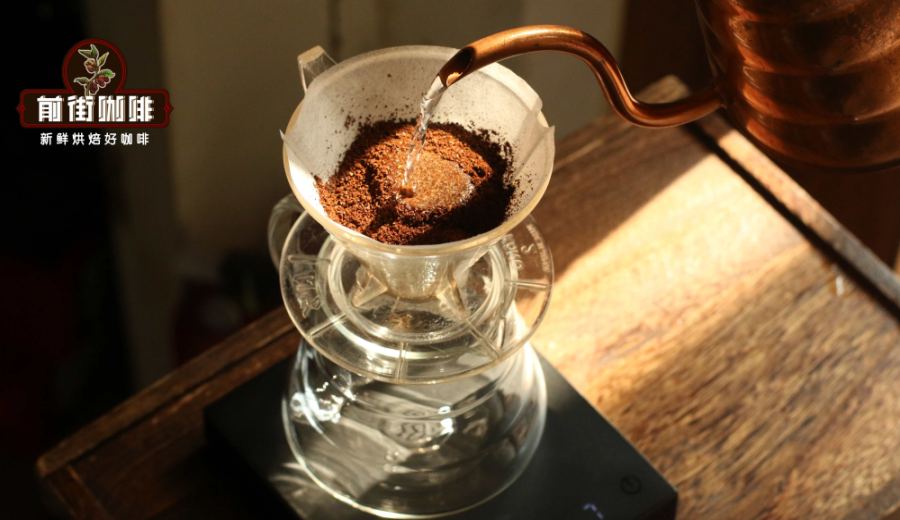
Introduction:Beginners in pour over coffee often hear about two pouring methods: "single-pour" (一刀流) and "three-pour" (三刀流). But do you really understand the differences between them? This article delves into the operational principles of single-pour, compares it with the three-stage method, and analyzes why beginners are better off starting with segmented pouring. By comparing water flow control, extraction parameters, and flavor profiles, we aim to help you find the brewing method that suits you best.
In the world of pour over coffee, "single-pour" is one of the first pouring techniques many beginners encounter. The name is inspired by Japanese swordsmanship, meaning "one strike, clean cut." In practice, it involves dividing the total water volume into two stages for pouring. Although it may seem simple, single-pour is actually one of the more challenging techniques to master, as even slight mistakes can easily lead to thin flavors, overly sharp acidity, or a lack of complexity.
Many people encounter uneven extraction issues when trying single-pour for the first time. This is because after the bloom, the vast majority of the remaining water needs to be poured in a single step, which places extremely high demands on water flow stability and pouring technique.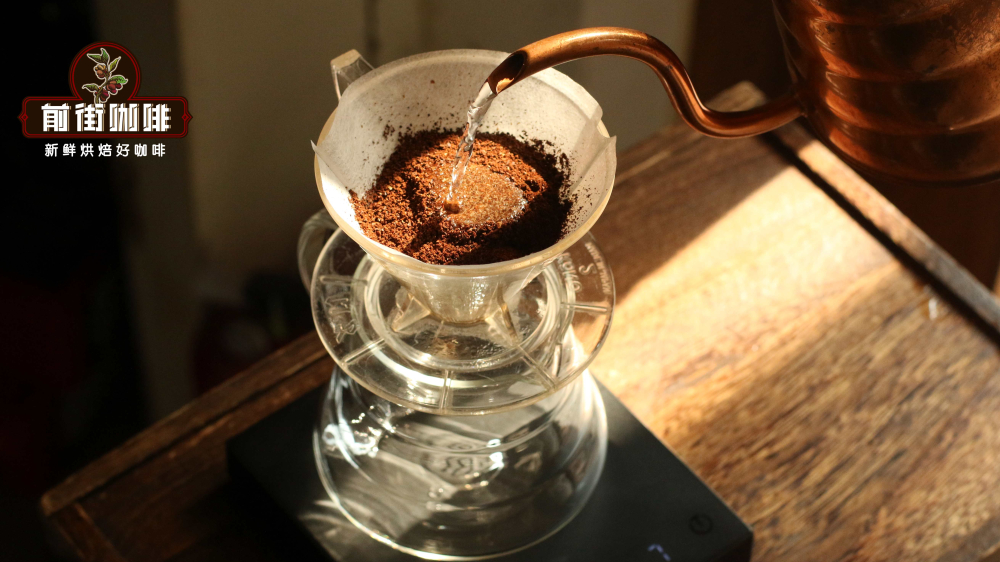
In contrast, the three-stage pour divides the total water volume into multiple stages, offering more opportunities for adjustments and corrections. This segmented extraction method allows for more effective control over extraction time and rate, thereby improving flavor balance and complexity. For those just starting to learn pour over, the three-stage method is usually easier to grasp and can produce more consistently balanced flavors.
The challenge of single-pour mainly comes from its "one-time pour" characteristic. Since around 90% of the water needs to be poured in a single step, any changes in water flow speed or height will directly impact the overall extraction outcome. Pouring too quickly may lead to under-extraction, resulting in a light-bodied and shallow-tasting cup; conversely, pouring too slowly can easily lead to over-extraction, bringing bitterness and astringency. Therefore, maintaining a stable and appropriate water flow is key to successfully using the single-pour method.
Additionally, selecting the right extraction parameters is crucial. Many people compare single-pour and three-stage methods using the same grind size and water temperature settings, but overlook the fact that single-pour is more sensitive to parameter adjustments. Without targeted modifications—such as slightly extending the bloom time or fine-tuning the grind coarseness—single-pour may appear under-extracted, with a less nuanced flavor profile.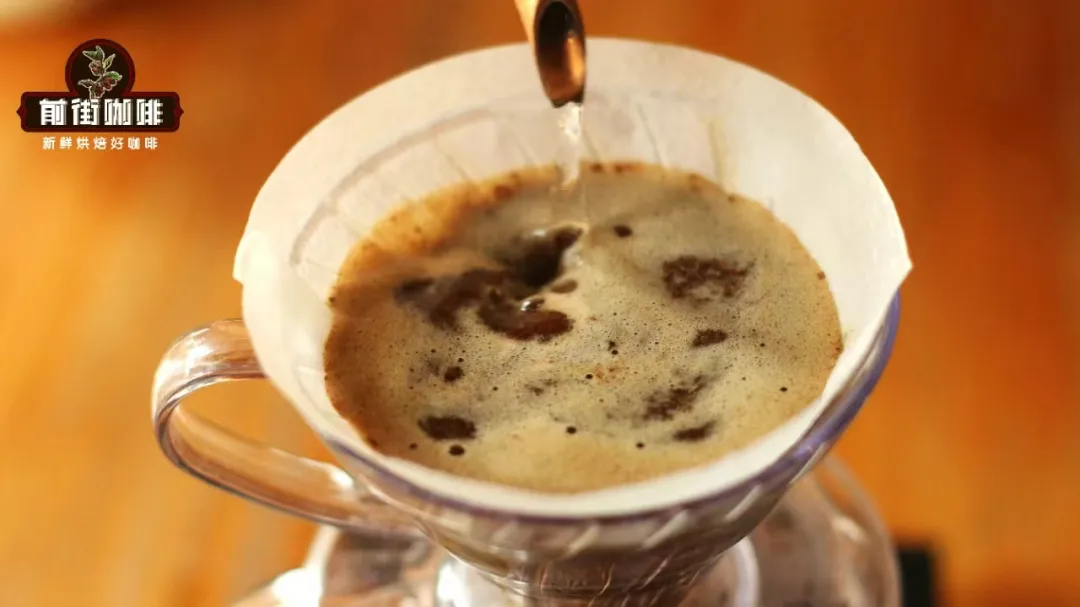
From a practical perspective, the three-stage method provides more room for adjustment. By pouring in stages, each phase of extraction can be more precisely controlled, allowing real-time adjustments to water flow and timing based on the coffee's flow rate, further optimizing flavor expression. For users aiming for a stable, well-balanced extraction, the three-stage method is indeed a more beginner-friendly choice.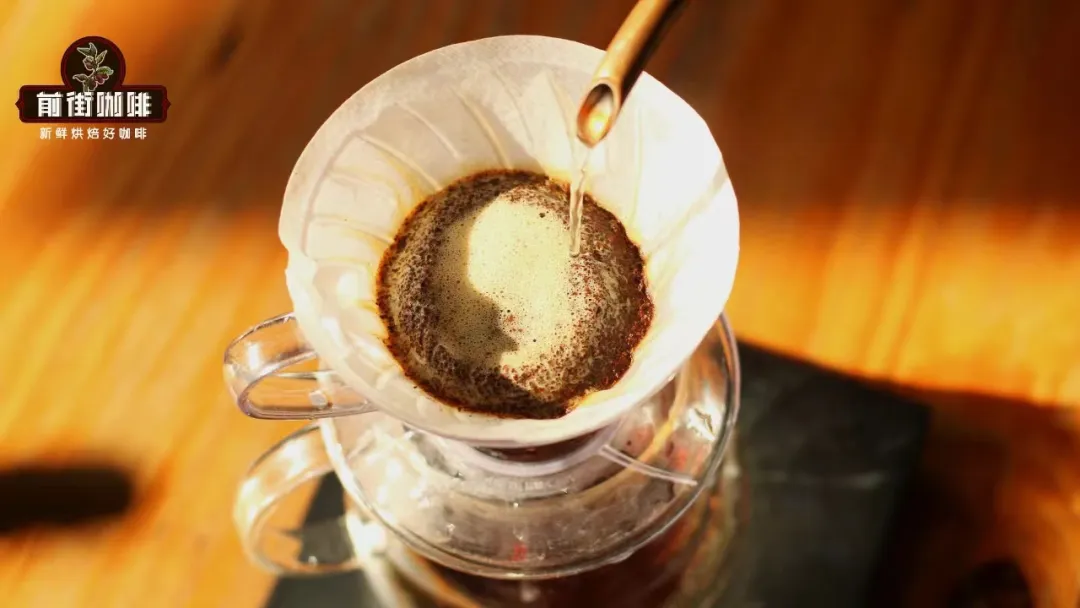
However, this doesn’t mean single-pour has no advantages. For brewers who have already mastered water flow control and parameter adjustments, single-pour can deliver an exceptionally focused and clear flavor profile, particularly effective at highlighting the sweetness and body of the coffee. But the prerequisite is that you must have a high level of control over water flow and be able to adjust your pouring strategy based on bean characteristics.
In summary, both single-pour and three-pour methods have their applicable scenarios and technical thresholds. For beginners, it’s recommended to start with the three-stage method to gradually familiarize yourself with the basic principles of pour over and flavor variations, before taking on the more skill-demanding single-pour. Only by understanding the characteristics and limitations of each pouring method can you choose the most suitable technique based on your flavor preferences and brewing goals.
The above content is compiled by CoffeeHunters, a coffee news website.


