








Introduction:Panama Geisha from Hacienda La Esmeralda has long been the focus of the specialty coffee world, and its Red, Green, and Blue label grading system is a key point of interest for many coffee enthusiasts. This article provides an in-depth analysis of the history of Hacienda La Esmeralda, the detailed subdivisions of its three core growing areas, the logic behind the competition-grade Geisha scoring tiers, as well as the differences between washed and natural processing methods. It also offers practical brewing parameters and flavor profiles to help you fully grasp this top-tier Geisha coffee.
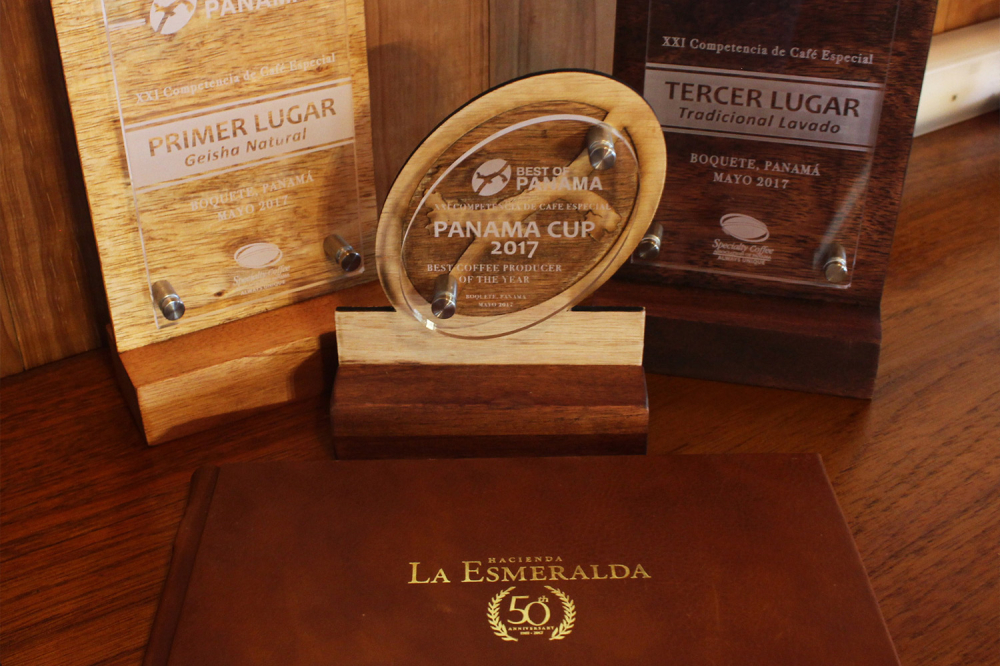
The annual "Best of Panama (BOP)" green coffee competition is a major event in the specialty coffee industry, and Panama Hacienda La Esmeralda has consistently shone brightly at this event. In recent competitions, the estate has once again claimed championship titles in the Geisha Natural, Washed, and Varietal categories. The winning lots will be open for global auction starting at 7:00 AM Beijing time on August 7th, attracting buyers from around the world to compete for them.
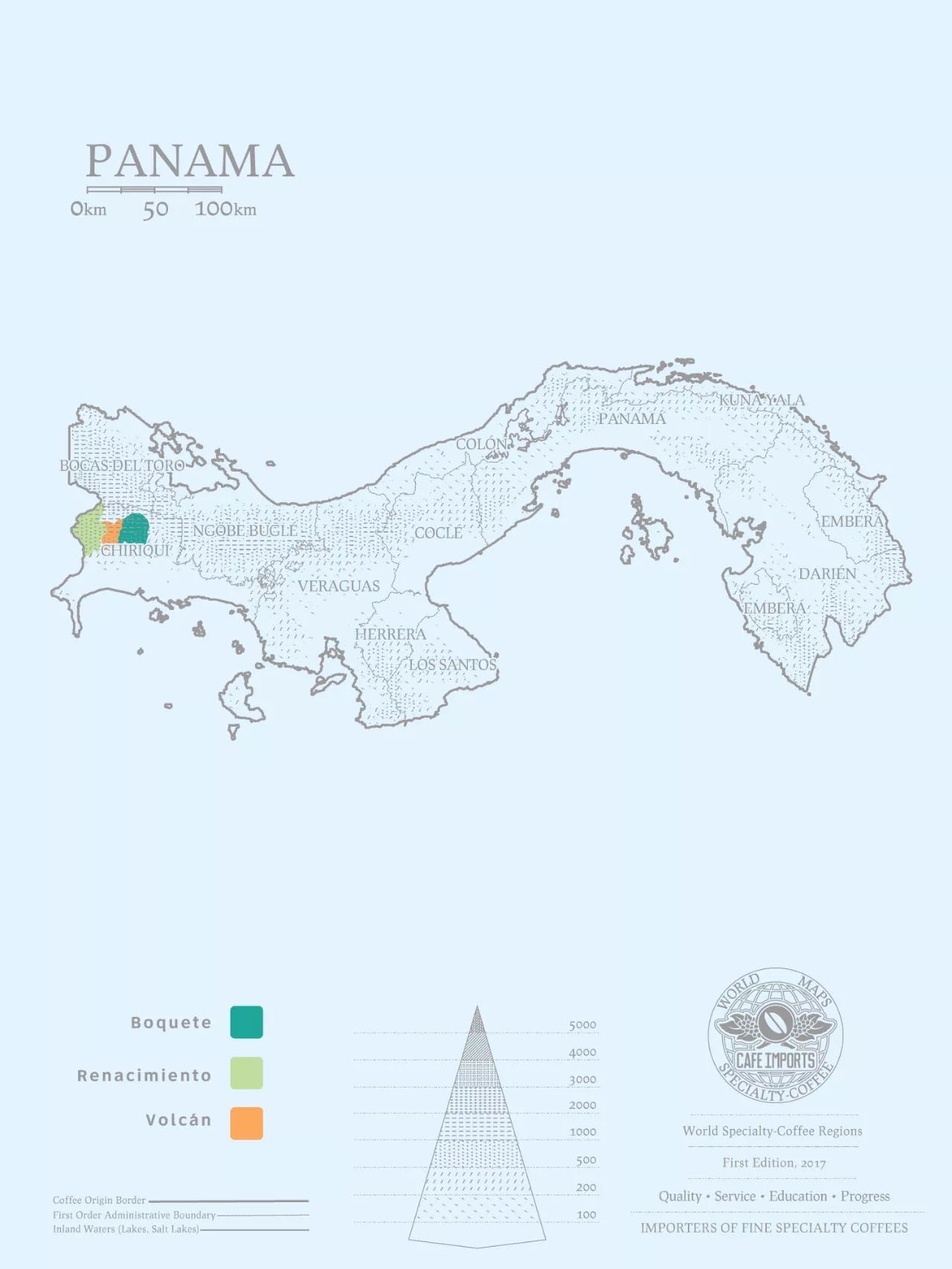
The story of Hacienda La Esmeralda dates back to 1964, when American banker Rudolph A. Peterson purchased a ranch in the Boquete region of Panama, initially operating it as a dairy farm. It wasn’t until the late 1980s that his son, Price Peterson, decided to shift to coffee cultivation, introducing the Caturra and Catuaí varieties, and establishing a washed processing facility in 1994. In 1996, the Peterson family acquired the neighboring Jaramillo Estate, a high-altitude plot blessed with exceptional climate and soil conditions that nurtured uniquely flavored coffee trees. Some of the previously overlooked varieties were later identified as Ethiopia’s Geisha, laying the foundation for the estate’s legendary status.
The Geisha plantings at Hacienda La Esmeralda are primarily concentrated in three core estates: Jaramillo, Canas Verdes, and the more recently acquired El Velo. Each estate is further subdivided into multiple micro-plots to precisely manage the impact of varying microclimates on coffee flavors.
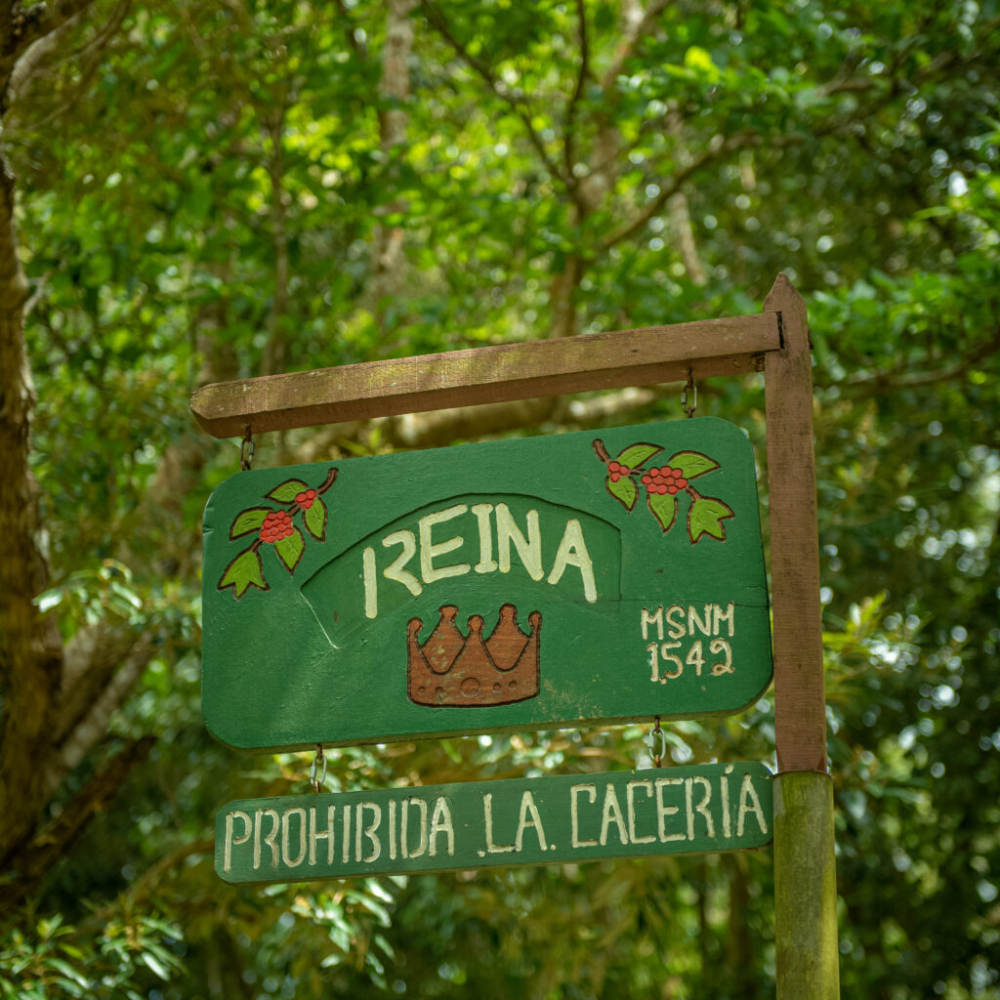
Jaramillo is the classic producing area for Hacienda’s Geisha, situated at elevations between 1600 and 1700 meters with annual rainfall reaching 4000 mm and significant day-night temperature variation (daytime 19-25°C, nighttime 11-15°C). This area is divided into five sub-plots: Mario, Noria, Reina, Bosque, and Buenos Aires. The higher altitude sections are particularly renowned for their delicate floral aromas and bright fruity acidity.
Canas Verdes sits at a slightly higher elevation, ranging from 1600 to 1800 meters, with annual rainfall of 3500 mm and day-night temperatures of 16-23°C during the day and 10-15°C at night. It includes nine sub-plots: Lino, Coronado, Fundador, León, Montaña, Trapiche, Chinta, Cabaña, and Tumaco. Geisha from this area often exhibits rich tropical fruit notes and a full-bodied mouthfeel.
El Velo is a more recently acquired asset of Hacienda La Esmeralda, planted at even higher altitudes of 1700 to 1900 meters. In addition to Geisha, it also grows varieties such as Catuaí, Laurina, Pacamara, Mocha, and SL28. This area is divided into seven sub-plots: Guabo, Portón, Durazno, Mural, Higo, Buena Vista, and Guila. Thanks to its high elevation and unique setting, it has become an emerging producing area of interest to coffee explorers.
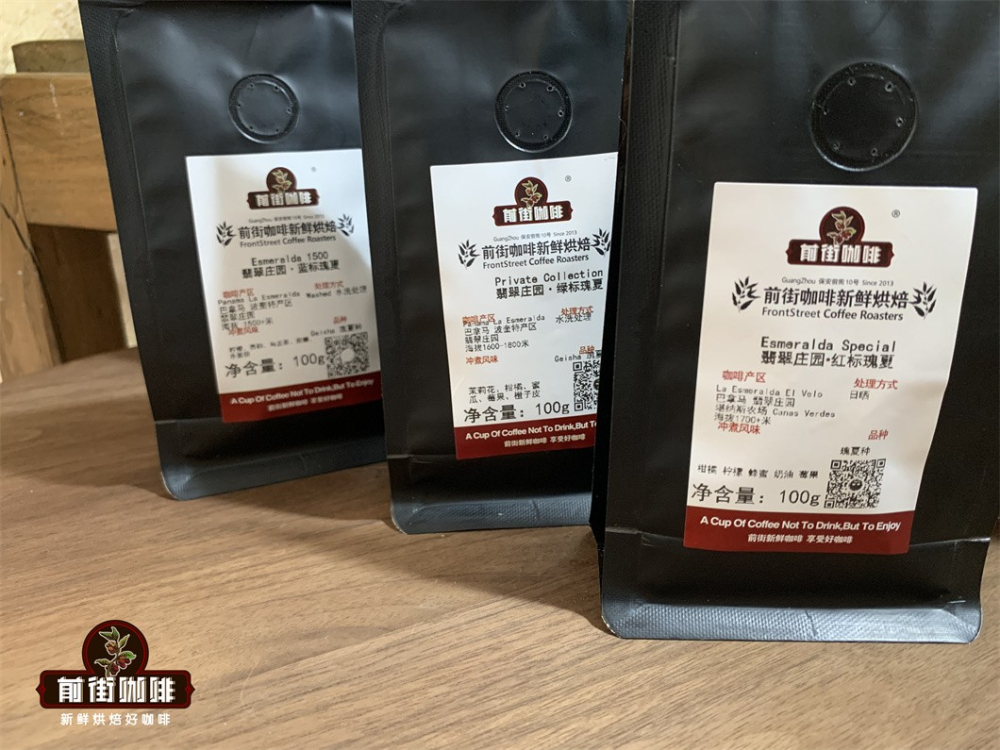
Hacienda La Esmeralda classifies its Geisha offerings into three main tiers based on factors such as elevation, cupping scores, and growing area characteristics. These are the Red Label (Esmeralda Special), Green Label (Private Collection), and Blue Label (Geisha 1500), each representing different flavor and market positioning.
The Red Label Geisha (Esmeralda Special) is the flagship representation of Hacienda La Esmeralda, selected exclusively from Jaramillo and Canas Verdes at elevations between 1600 and 1800 meters, with cupping scores of 90 or above. These lots must also participate in the estate’s independent auction. It’s worth noting that there are also non-auction versions of the Red Label, sourced from the same plots but not part of the auction process. These offer similar flavors but at a more accessible price point. The Red Label Geisha is typically processed via natural or washed methods, showcasing bold floral notes (such as rose and jasmine), citrus acidity, and honey-like sweetness.
The Green Label Geisha (Private Collection) is a high-quality, non-auction micro-lot blend, also sourced from Jaramillo and Canas Verdes at similar elevations to the Red Label. However, as it is a blend of beans from multiple sub-plots, its flavor profile may vary slightly while still retaining the classic floral and fruity characteristics of Geisha, including layers of jasmine, citrus, berries, and melon. It offers a full body and balanced acidity-sweetness. The Green Label is available in both washed and natural versions, making it an ideal choice for coffee lovers seeking high quality at a more moderate budget.
The Blue Label Geisha (Geisha 1500) is an entry-level Geisha product, made from a blend of beans sourced from Jaramillo, Canas Verdes, and El Velo at elevations between 1400 and 1500 meters. Compared to the Red and Green labels, the Blue Label has a lighter, crisper profile, highlighting citrus, oolong tea, cane sugar, and gentle fruity acidity. It is suitable for those trying Geisha for the first time or who prefer subtler flavors. Currently, the Blue Label is also available in both washed and natural versions, with the natural batch being offered in limited supply since the end of 2019.
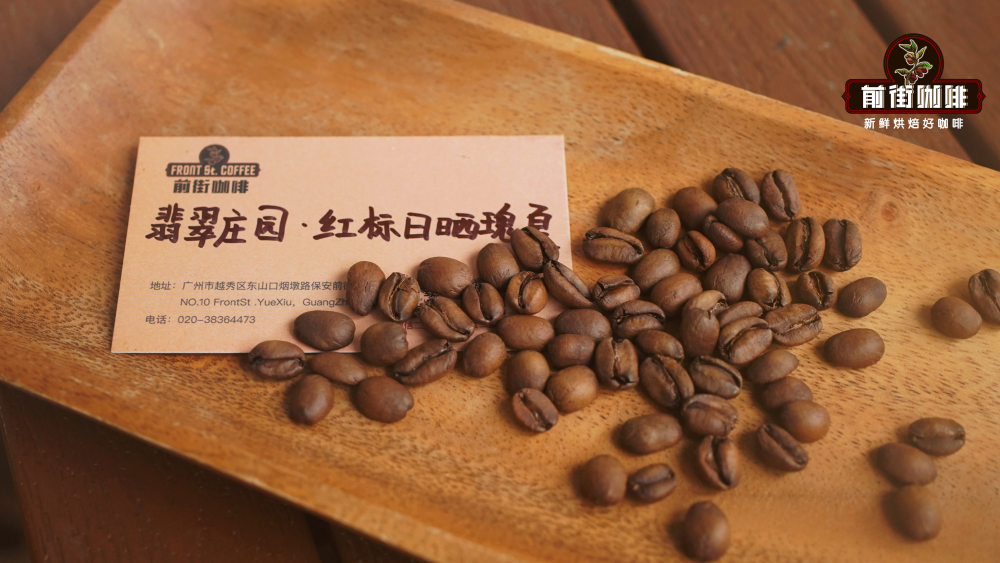
In terms of processing methods, Hacienda La Esmeralda primarily uses the traditional washed and natural (sun-dried) approaches. Washed processing emphasizes a clean and bright flavor profile, ideal for showcasing the region’s distinctive clarity of acidity and delicate sweetness. Natural processing, on the other hand, involves prolonged sun exposure, imparting more intense fruitiness, wine-like notes, and fermentation complexity.
The standard washed processing procedure includes: first removing defective beans via floatation in water tanks, then depulping the coffee cherries, followed by fermentation to remove the mucilage (approximately 18 hours), multiple washes, and low-temperature drying (target moisture content 11%), and finally storage and packaging. Natural processing requires carefully selecting ripe, healthy coffee cherries, which are then sun-dried over 27 to 30 days (reducing moisture content to 11%), followed by hulling, polishing, and secondary screening to ensure stable green bean quality.
For coffee enthusiasts, adjusting brewing parameters can further highlight the delicate flavors of Geisha. It is recommended to use a Hario V60 dripper, with water temperature controlled at 90°C, a coffee-to-water ratio of 1:15, and a medium-fine grind size (similar to granulated sugar). A specific method involves a staged extraction: start with a 30-second bloom using 30 grams of water, then pour in a slow circular motion until reaching 125 grams for the first pour. After the water level drops, continue pouring to 225 grams, with a total extraction time of about 2 minutes. This approach fully brings out the layered aromas and flavors of Geisha.
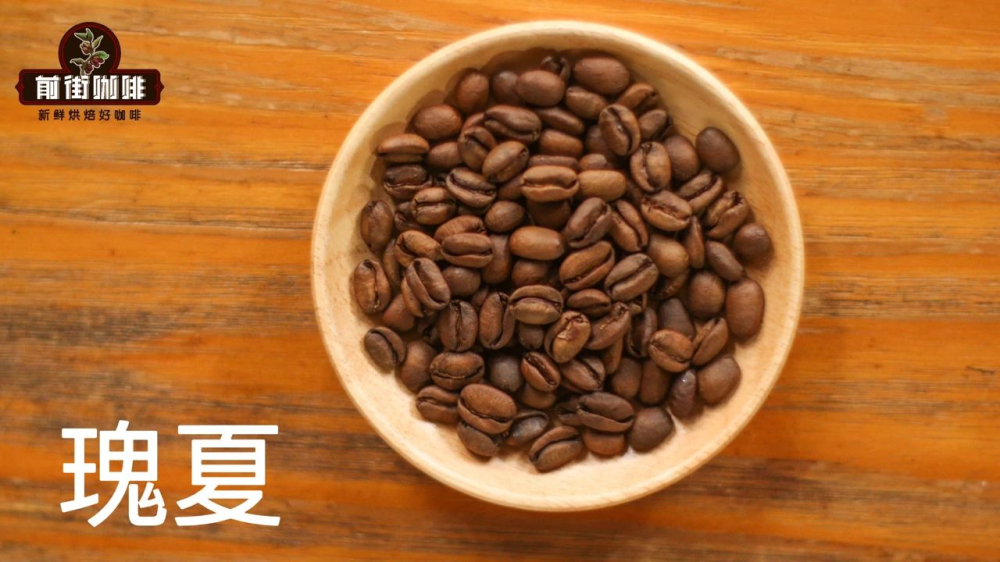
The Red Label Geisha often delivers bright notes of rose and citrus, accompanied by complex fruit, honey, and berry tones, with a full body and long-lasting aftertaste. The Green Label stands out with its jasmine floral aroma and high sweetness, blending citrus, berries, and green tea notes, with a refreshing and enduring finish. The Blue Label features a lighter profile, starting with soft lemon and grapefruit acidity, gradually revealing oolong tea and cane sugar sweetness as it cools. Overall, it presents a clean and bright cup, suitable for those who prefer milder flavors.

The above content is compiled by CoffeeHunters, a coffee news website.


