







Introduction:Want to brew a pour over coffee with clear layers and no over-extraction? This article uses the popular Ethiopian Huila Geisha coffee beans as an example, explaining in detail the optimal 1:15 powder-to-water ratio for light roast beans, paired with a three-stage pouring method and a 2-minute extraction rhythm. From the science of concentration and extraction rates according to the Golden Cup standard, to common mistakes such as when to remove the filter during actual brewing, we’ll guide you through every key detail that affects flavor.
The flavor expression of pour over coffee lies in two seemingly simple numbers: powder-to-water ratio and extraction time. These two parameters not only determine the strength of the coffee, but also directly influence the balance of acidity, sweetness, and bitterness. Through a brewing example of the well-known Ethiopian Huila Geisha coffee beans, this article takes you in-depth into how to bring out the bright fruit acidity and layered profile unique to light roast beans by precisely controlling a 1:15 powder-to-water ratio and an approximately 2-minute extraction time.
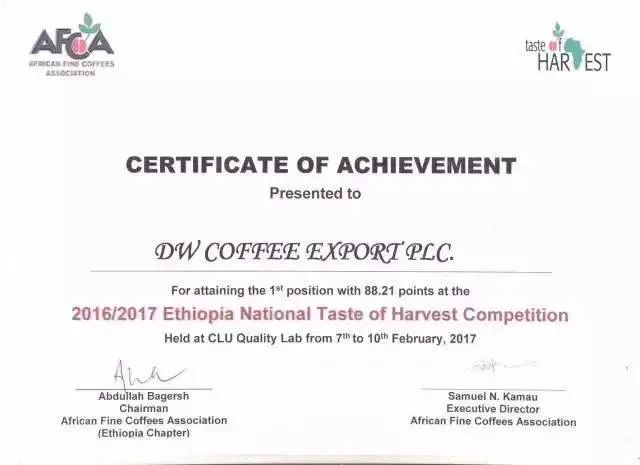
Many people think pour over is an art based on intuition, but in fact every step relies on quantifiable data. From weighing the coffee to measuring the water volume, there is scientific reasoning behind it all. Take the recently much-talked-about Huila Geisha coffee beans as an example—this natural-processed bean from Ethiopia’s Sidama Guji Zone won the TOH Ethiopia Natural Division Championship in 2017 with its rich strawberry cream profile. Its unique sweetness and aroma have made it a popular choice for many pour over beginners.
The naming of the Huila beans holds a secret—they are distinguished by the Huila X.0 format based on the year, for instance the 2020 harvest was called Huila 4.0, and 2021 was Huila 5.0. The processing facility specially separates and processes smaller-sized fruits, resulting in small-bean Huila with more concentrated flavors, whose berry notes and sweetness are even more pronounced compared to regular batches. Currently, both Huila 5.0 and the small-bean version are still available on the market; the former features vibrant berry acidity, while the latter offers a more intense strawberry sweetness.
For medium-light roasted Ethiopian beans, it is recommended to use a Hario V60 filter, with a water temperature of 91°C, 15 grams of coffee powder, and a 1:15 powder-to-water ratio (i.e., total water volume of 225 grams). The grind size is suggested to be 80% through a Chinese standard 20-mesh sieve, equivalent to a medium-fine grind. Use a three-stage pouring method: first pour 30 grams of hot water and let it bloom for 30 seconds to activate the coffee grounds; then pour in a circular motion with a thin central stream until reaching 125 grams for the first pour; once the water level drops close to exposing the coffee bed, continue pouring up to 225 grams to finish, with the overall extraction time controlled at around 2 minutes.
One of the most common mistakes in pour over brewing is removing the filter too early out of fear of over-extraction. It’s important to note: when there is still dripping water inside the filter, the actual powder-to-water ratio has already deviated from the set value, possibly leading to incomplete flavor. According to the Golden Cup extraction standards, the ideal coffee concentration should fall between 1.15% and 1.35%, with an extraction rate between 18% and 22%. Test data shows that a powder-to-water ratio range of 1:14.5 to 1:15.5 most easily achieves this golden zone, which is why professional baristas commonly recommend the 1:15 setting.
After coffee grounds come into contact with hot water, flavor compounds are released in stages over time: initially primarily acidic substances, then sweetness gradually appears in the middle stage, and bitter components only dissolve in the later stage. Many beginners mistakenly believe that shorter extraction times are better, but in reality, under-extraction leads to a flat flavor. It is recommended to patiently wait for all the dripping to finish unless obvious excessive bitterness or astringency occurs, in which case you may adjust the grind size or water temperature.
Freshness is also a key factor affecting flavor. It is recommended to choose coffee beans shipped within 5 days of roasting, which by the time they arrive have gone through 4–7 days of resting period, when CO₂ release is moderate and most suitable for brewing. If you purchase coffee powder, due to the increased surface area accelerating oxidation, flavor loss is faster—if possible, opt for whole beans and grind them fresh before brewing.
The above content is compiled by CoffeeHunters, a coffee news website.


