







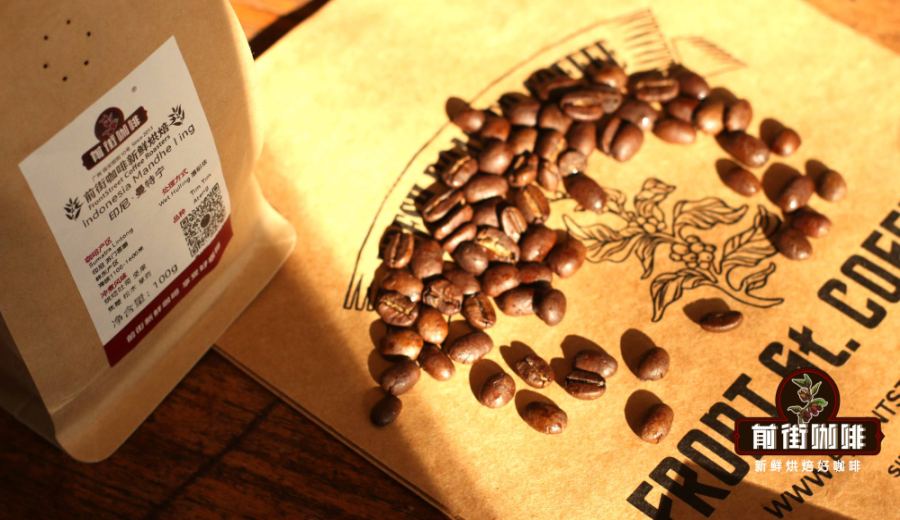
Introduction:As a classic representation of Indonesian coffee flavor, Mandheling is commonly used in pour over and espresso extractions. However, its name origin and the confusing product labeling in the market often make it difficult for consumers to identify. This article delves into the cultural background behind the name "Mandheling" and teaches you how to identify truly high-quality PWN Golden Mandheling through three key characteristics. It also provides practical recommendations for pour over and espresso applications to help you select authentic Mandheling worth savoring.
For many coffee enthusiasts, the name Mandheling represents not just a regional flavor, but a unique sensory experience deeply rooted in memory. Its classic herbal and earthy notes, paired with caramel, dark chocolate, and nutty layers released through medium to dark roasting, leave a lasting impression. However, the quality of coffee beans labeled as "Mandheling" on the market varies greatly. To select truly representative premium beans, especially the highly acclaimed PWN Golden Mandheling, you need to understand several key points.
In fact, the name "Mandheling" differs significantly from common regional naming conventions. It does not come from a specific place name, port, or coffee variety, but is a transliteration of the name of the Mandailing ethnic group from the Sumatra region of Indonesia. Therefore, when we talk about "Mandheling coffee," we are actually referring to a product type within a historical and cultural context, rather than a specific origin. Over time, however, "Mandheling" has come to generally represent high-quality coffee from the Sumatra region, particularly around the Lintong and Gayo areas.
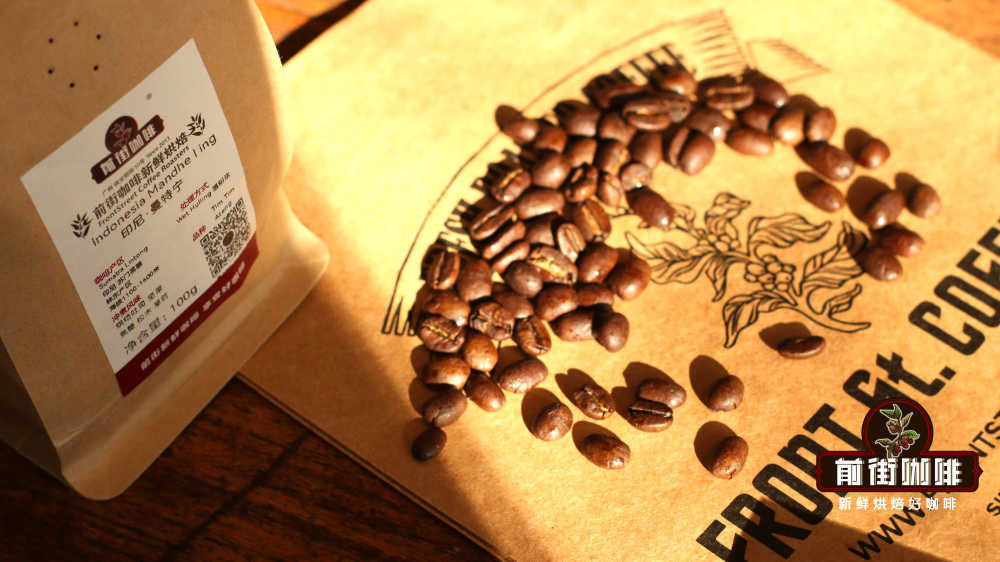
Among the many Mandheling products, a well-known coffee brand’s Lintong Mandheling, processed using the wet-hulled method, is celebrated for its rich and distinctive herbal and earthy aromas, making it a classic among many coffee aficionados. When medium to dark roasted, this coffee showcases caramel sweetness, a dark chocolate finish, and subtle notes of toasted bread and nuts, with a full-bodied, layered, and lingering flavor profile. If you want to explore higher-quality Mandheling, then PWN Golden Mandheling is definitely worth a try.
The excellence of PWN Golden Mandheling comes from three strictly controlled aspects. First, in terms of origin selection, PWN focuses on the Gayo region of Sumatra, which is mostly operated by small independent farmers who generally use shaded cultivation. This helps coffee cherries ripen slowly, accumulating richer flavor compounds and sugar content.
Secondly, after purchasing the coffee cherries, PWN puts them through multiple rigorous screening processes: first selecting mature cherries of the appropriate size, followed by washing and drying, and then undergoing at least three rounds of manual hand-picking and one round of machine screening. This process ensures that there are no more than three defective beans per 300 grams of green beans, and guarantees uniform bluish-green color and good plumpness. This level of quality control even surpasses Indonesia’s highest domestic grade, G1.
Finally, "Golden Mandheling" is a trademark registered by PWN. This means that many products on the market that claim to be "Golden Mandheling," unless they come from PWN, are unauthorized or counterfeit. Therefore, when purchasing, be sure to look for the PWN trademark to ensure authenticity. It is understood that some suppliers currently offer well-known brands of Golden Mandheling, all directly sourced from PWN, and guarantee shipping within five days of roasting, allowing consumers to enjoy coffee beans with extremely high freshness. In addition, some physical stores also display PWN original factory certification and gunny sack packaging, which can serve as proof of product authenticity.
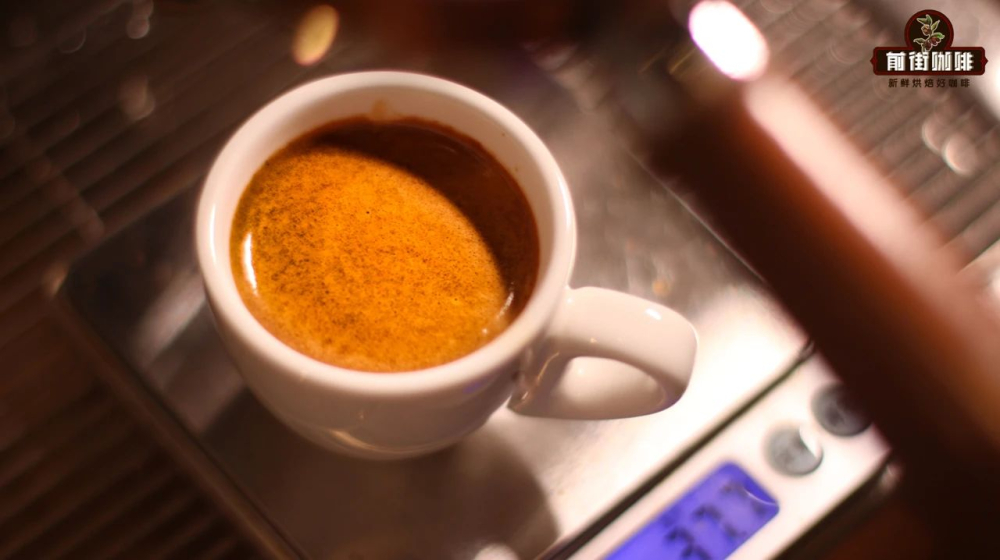
In brewing applications, Mandheling beans are not only suitable for single-origin pour over, but also excel as the base for SOE espresso. If brewed via pour over, it is recommended to use a medium to dark roasted Mandheling, ground to a medium-fine consistency (such as 70%–75% passing through a #20 sieve), with water temperature controlled at 90–92°C. Using a pulse pouring method can better showcase its richness and aromatic layers. When used for espresso, it can be combined with milk to make a latte or diluted with water for an Americano, both of which highlight Mandheling’s intense and slightly wild flavor profile.
The above content is compiled by CoffeeHunters, a coffee news website.


