







Introduction:The French press is favored by many coffee enthusiasts for its home brewing due to its simple operation and ability to effectively retain coffee oils and flavors. This article will delve into the optimal roast level, grind size, coffee-to-water ratio, and full brewing process for the French press, while also addressing common operational mistakes and tips to enhance flavor, helping you easily master the essentials of this classic brewing method.
The popularity of the French press (French Press) stems not only from its simple structure and intuitive operation, but also from its ability to preserve the most original and rich flavors and oils in coffee beans—making it especially suitable for those who prefer a bold taste. Compared to paper-filtered brewing devices, the metal filter of the French press allows coffee’s natural oils and fine particles to remain, resulting in a brew that is richer, smoother, and has a distinctive body.
The brewing logic of the French press is actually similar to the immersion method commonly used in cupping. By fully steeping coffee grounds in hot water, various flavor compounds are gradually released. This method particularly highlights the boldness, caramel notes, and dark berry or chocolate characteristics of medium to dark roasted coffee beans, making bean selection and the control of coffee-to-water ratio key to brewing a great cup with the French press.
Among the many brewing devices, some prefer the precision and ritual of pour over, while others enjoy the scientific vibe of the siphon. The French press, with its almost “zero-barrier” operation, becomes the go-to choice for many busy professionals or beginners to manual brewing. However, simplicity does not mean details can be ignored—from coffee bean selection and grind size to water temperature and steeping time, every step affects the final flavor.
The biggest advantage of the French press lies in its metal filter design, which eliminates the need for paper filters—both environmentally friendly and capable of preserving the full coffee oils that contribute to a rounded mouthfeel and long-lasting aftertaste. As a result, coffee brewed with a French press often tastes richer and more layered than that from filter or drip devices, making it an excellent choice for breakfast or an afternoon pick-me-up.
When choosing coffee beans suitable for the French press, it is recommended to prioritize medium to dark roasted beans, especially single-origin blends or classic regional varieties. This roast level brings out a rich coffee base while maintaining moderate caramel and nutty aromas, complementing the immersion brewing method of the French press. Generally, medium to dark roasted beans from regions such as Brazil, Colombia, Indonesia, or Costa Rica can showcase a balanced profile of chocolate, spices, and subtle fruit acidity.
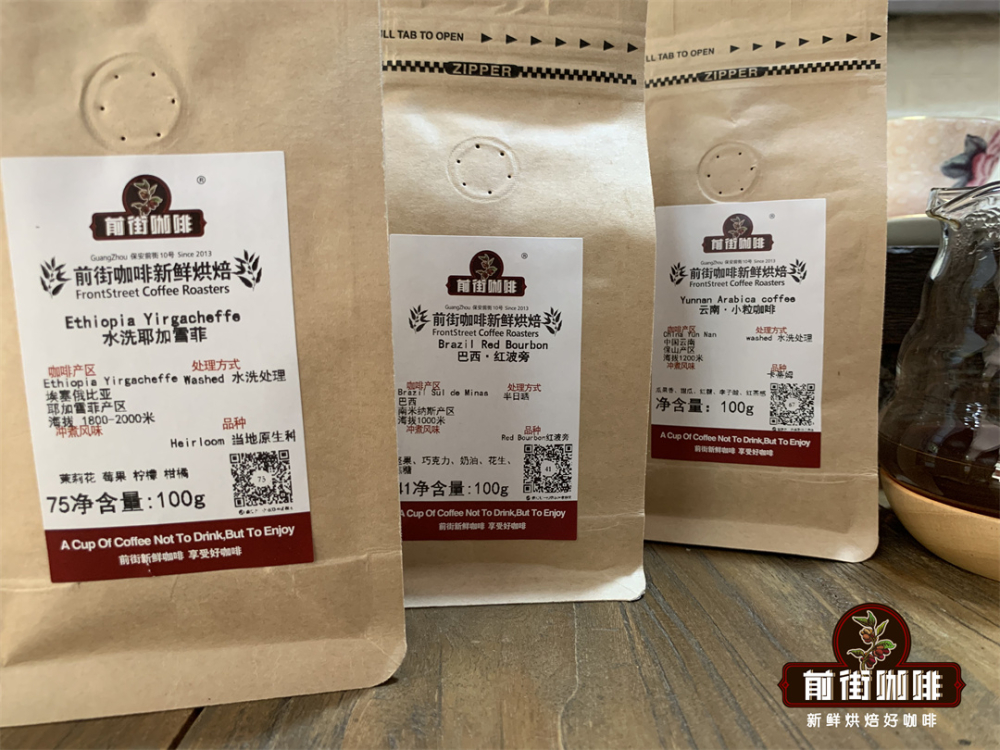
If opting for lighter roasted beans, such as Ethiopian Yirgacheffe varieties known for citrus, floral, or pronounced fruit acidity, their delicate flavors may become monotonous or even amplify undesirable off-notes when brewed with the French press’s immersion method. Therefore, lighter roasts are better suited for pour over or filter devices to highlight their bright and layered aromas.
In practical terms, it is recommended to grind the coffee beans to a medium-coarse level, roughly between the coarse grind of pour over and coarse sugar. If using a standard sieve, a passing rate of about 70% to 75% is ideal. Grinding too fine can cause fine particles to pass through the filter, leading to cloudy coffee and increasing the risk of over-extraction, resulting in a bitter and heavy taste.
When adjusting the coffee-to-water ratio, you can start with the classic 1:10 ratio—that is, 1 gram of coffee beans to 10 milliliters of water. For example, to make coffee for two people, you could use 20 grams of coffee beans with about 200 milliliters of hot water, then adjust the ratio gradually based on personal taste preference. Some brands of drip bags can also be brewed with a French press—for instance, for a 10-gram drip bag, it is recommended to use 15 grams of grounds with 240 milliliters of water, at a ratio of about 1:16, adjusted flexibly according to individual taste.
It is essential to prepare an accurate digital scale. Although French presses usually come with measurement markings or scoops, the density differences between coffee bean varieties mean weights can vary; only a scale ensures consistent proportions. Additionally, it is recommended to use soft water such as filtered or mineral water to avoid impurities in hard water affecting the coffee’s flavor.
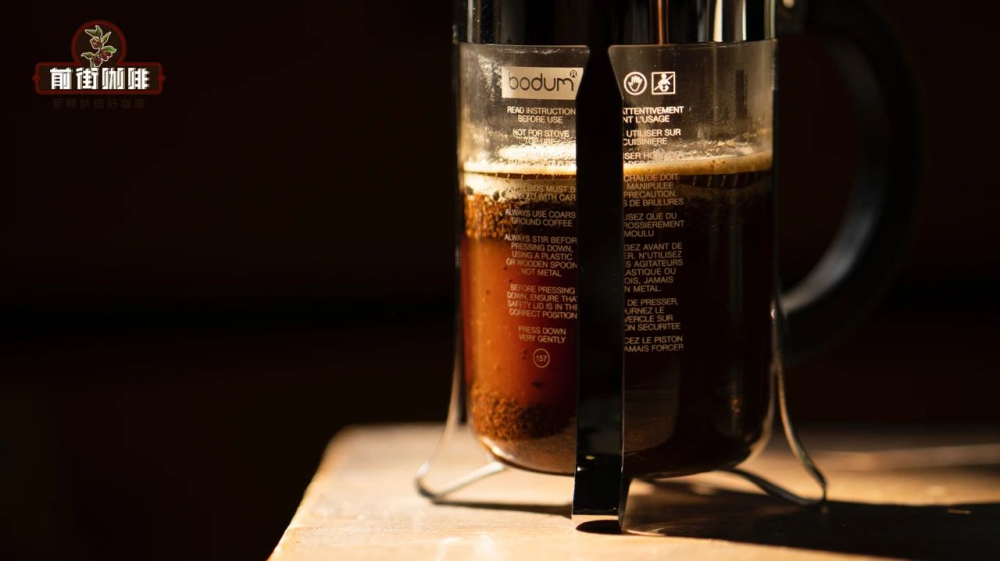
For the actual brewing steps, start by adding the medium-coarse ground coffee into the French press, then pour in hot water at approximately 93°C. You can begin by adding part of the water based on the ratio—for example, starting with 15 grams of coffee and 240 milliliters of water—and immediately stir gently with a spoon to ensure all coffee grounds are saturated, initiating even extraction.
After stirring, place the lid on the French press but keep the plunger at the top. Let it steep for about 4 minutes to allow the coffee grounds and water to fully infuse. This period is crucial for flavor release, and neither too long nor too short to avoid over-extraction or under-extraction.
Before pressing down the plunger, it is recommended to open the lid and skim off any floating coffee foam and very fine particles with a spoon. This helps reduce impurities and bitterness in the final cup. Then, slowly and steadily press the plunger down to the bottom, keeping it vertical to avoid mixing coffee grounds into the liquid.
After brewing, it is recommended to pour out the coffee immediately to avoid continued steeping, which can lead to over-extraction and affect the taste. You can pour the coffee into a preheated cup or thermos to enjoy at its best. The French press coffee brewed this way is not only rich and full-bodied but also allows you to fully experience the coffee’s multi-layered flavors—perfect for coffee lovers who seek simplicity without compromising quality.
The above content is compiled by CoffeeHunters, a coffee news website.


