







Introduction:To understand the difference between Golden Mandheling and regular Mandheling, you can’t just look at price and name. This article will delve into the wet-hulled processing method of Sumatran Mandheling, PWN’s strict selection standards—including bean size of 18 mesh or above, defect rate control, and three rounds of manual sorting—as well as analyze the unique source of its rich and full-bodied flavor. Additionally, practical pour over parameters and tips are provided to help you master the essence of this classic Indonesian coffee from bean selection to brewing.
In the world of coffee enthusiasts, Mandheling has always been representative of a bold and heavy-bodied flavor, especially for those who prefer low acidity and a strong mouthfeel. However, when you stand in front of a coffee bean display and face the choice between “Golden Mandheling” and regular “Mandheling,” have you ever wondered what the real differences are? In fact, the distinction goes beyond price or packaging—it spans differences in origin processing methods, bean selection criteria, and ultimately, flavor profiles.
To understand what makes Golden Mandheling unique, we must first start with Sumatra’s wet-hulled processing method. This technique was developed in response to the region’s high humidity and rainy tropical rainforest climate. When traditional washed or natural processing methods were too costly or difficult to execute, Indonesian farmers developed the wet-hulled method to accelerate the drying process while still preserving the coffee’s unique aroma and taste. The process generally involves: first removing the pulp, followed by a short fermentation and initial drying phase. When the beans reach a semi-dry state, the parchment layer is removed, and drying continues until the moisture content is around 13%. Skipping the fermentation stage can help suppress acidity and enhance body, while the semi-dry hulling speeds up dehydration and promotes internal chemical transformations, resulting in a coffee with a rich and deep-toned profile.
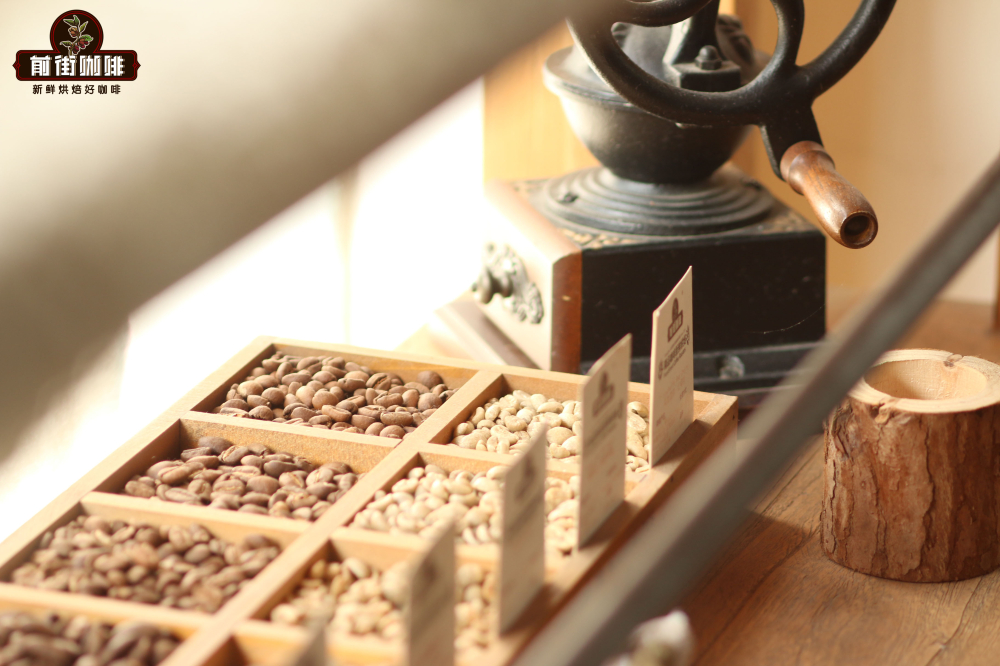
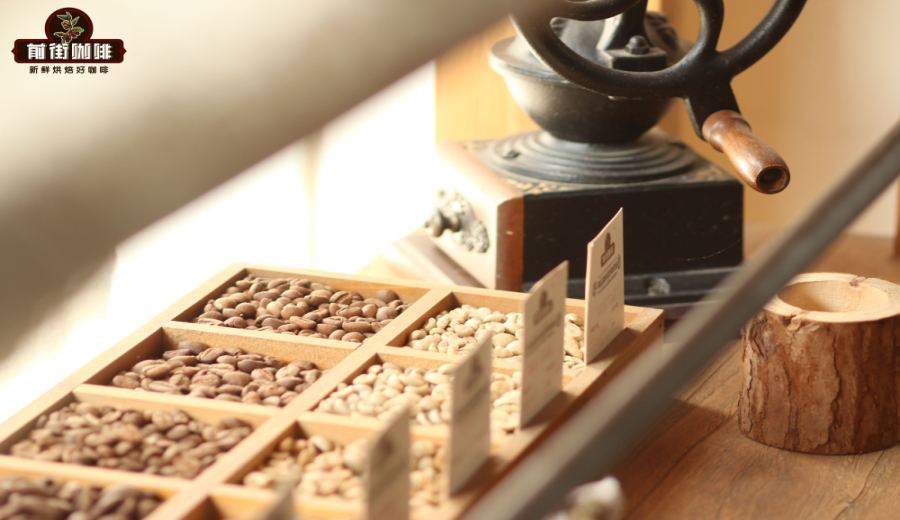
However, not all Mandheling from Sumatra can be called “Golden.” The commonly available Golden Mandheling on the market is mostly produced through stringent selection by Indonesia’s PWN company. PWN has set extremely high standards for this premium Mandheling: first, the green beans selected must be 18 mesh or larger in size, which refers to what we commonly call large beans; second, there must be no more than 3 defective beans per 300 grams of green beans, meeting the specifications of the highest grade, G1; furthermore, PWN conducts three rounds of manual hand-picking to ensure that every bean is clean and flawless, thereby enhancing the overall purity and sweetness of the flavor. These standards make Golden Mandheling visibly, consistently, and in final brewed performance, clearly superior to regular Mandheling found on the market.
Practical observations also confirm the differences: PWN’s Golden Mandheling green beans generally exhibit a uniform bluish-green hue, with plump and intact beans, visually distinguishing them from other origins. Some industry players have conducted blind tastings using similar-looking products not from PWN. Even if the appearance is similar, professional cupping results show that their cleanliness and sweetness still struggle to match the PWN version. This illustrates that beyond numerical specs, the actual quality of the green beans and the details of processing are the key factors determining the final flavor expression.
Many beginner coffee drinkers or those who prefer dark roasts are often drawn to Mandheling’s “boldness,” but may also express concerns about its “heavier bitterness.” In reality, this is directly related to the local processing methods in Sumatra. Compared to Ethiopian beans, which feature prominent fruity aromas and vibrant acidity, Mandheling’s low acidity, heavy body, and intense caramel-like notes stem from its distinctive wet-hulled process and preference for medium-to-dark roasts. If you want to experience the classic style of Mandheling, it is recommended to opt for a medium-to-dark roast level and adjust water temperature and grind size appropriately during brewing to fully bring out its characteristics.
For actual brewing, one coffee team recommends using a KONO filter cone with a water temperature of 88°C, suggesting a coffee dosage of 15 grams and a brew ratio of 1:15, with a grind size around 70% through a Chinese standard No. 20 sieve. This combination balances extraction efficiency and flavor expression, particularly highlighting Mandheling’s rich texture along with its honey-like sweetness. Moreover, because freshly roasted coffee beans contain a lot of carbon dioxide, it is advised to perform a 30-second bloom before brewing by pouring about 30 grams of hot water. This helps release internal gases, avoiding a stuffy “roasty” sensation, and ensures a smoother subsequent extraction.
The specific brewing process can be referenced as follows: start with a center pour of 30 grams for the bloom, lasting 30 seconds, then slowly circle the water from the center outward until reaching 125 grams. When the water level is about to expose the coffee bed, continue circling to a total of 225 grams, with the overall extraction time controlled within approximately 2 minutes. This approach enhances the layering of Mandheling while retaining its signature richness and aftertaste.
In summary, the difference between Golden Mandheling and regular Mandheling lies not only in price and name, but also in origin processing techniques, strict bean selection standards, and final flavor presentation—all showcasing a higher level of quality and consistency. If you enjoy bold, low-acid coffee with rich sweet notes, understanding these differences and the craftsmanship behind them will help you make more precise choices when selecting and brewing, allowing you to further appreciate the unique charm of Sumatran coffee.
The above content is compiled by CoffeeHunters, a coffee news website.


