








Introduction:Robusta coffee powder is commonly found in espresso blends and instant coffee products due to its intense, bitter aroma and high caffeine content. But did you know just how much the flavor of Robusta can vary depending on its origin? This article will explore the unique characteristics of Robusta, its flavor profiles across different regions, and how roast levels, grind size, and brewing methods affect its taste—helping you better understand this often misunderstood coffee bean.
In recent years, more and more coffee enthusiasts have developed the habit of drinking black coffee daily. Whether it’s for a pick-me-up on a busy weekday or a moment of enjoyment during leisure time, sipping an appropriate amount of black coffee not only boosts energy but also helps promote metabolism and water circulation. Studies suggest that caffeine in coffee can stimulate intestinal movement, aiding in relieving mild constipation, and may have a positive impact on weight management. However, excessive intake can lead to restlessness, insomnia, or even increased gastric acid secretion. It’s recommended to limit consumption to 2–3 cups (150 ml each) per day and avoid drinking it on an empty stomach.
Robusta, one of the two major coffee species alongside Arabica, is often referred to in the industry simply as “Luodou.” Compared to Arabica, Robusta has stronger resistance to pests and diseases, thrives in low-altitude, hot, or humid environments, and offers higher yields and easier mechanical harvesting. As a result, it is relatively lower in cost and widely used in commercial blends and instant coffee.

The caffeine content in Robusta is significantly higher than that in Arabica, typically ranging between2.7% and 4%—almost double that of Arabica. High caffeine not only serves as a natural insect repellent but is also a key contributor to its bitterness and bold flavor. Additionally, Robusta green beans tend to havehigher levels of chlorogenic acidsand a lower sugar content, resulting in its characteristic rich, bitter profile. Its flavors often exhibit nutty, grainy, or even barley tea notes. However, if processed improperly, it can easily develop earthy or rubber-like off-flavors, which is one reason many baristas prefer to roast it dark.
Dark-roasted Robusta accumulates a large amount of carbon dioxide within the bean, which releases rich oils during espresso extraction, forming a thick crema and further enhancing its bold, full-bodied taste.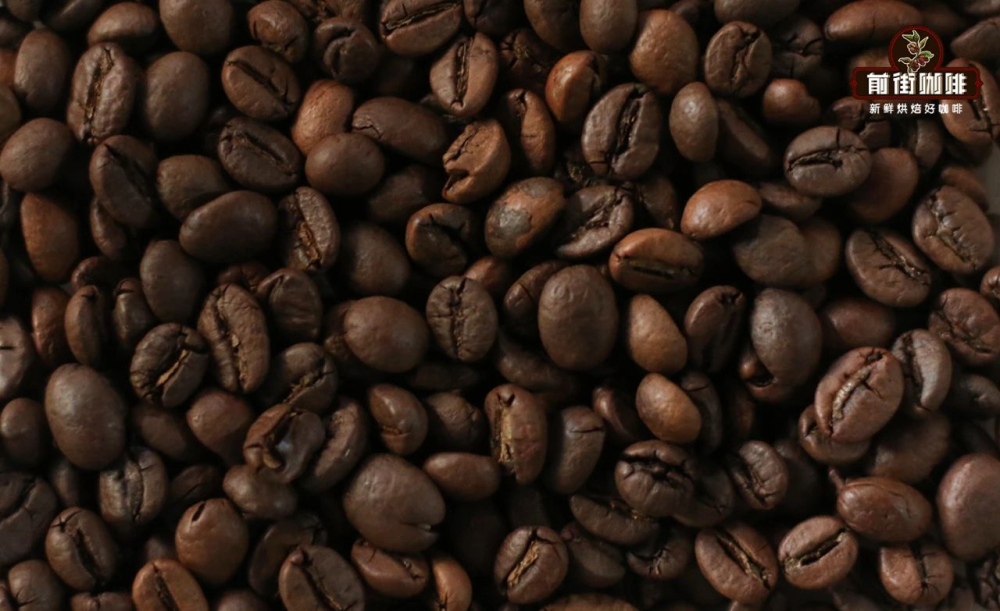
In Italy, many coffee shops add a small amount of Robusta to their espresso blends to enhance the coffee’s “intensity” and crema layer, making each sip more impactful. This practice is especially common in regions where strong coffee flavors are preferred.
For amateur or commercial users, some carefully crafted blends also incorporate high-quality Robusta in moderation to balance cost and flavor. For example, certain commercial blends focus on stable crema output and high cost-performance, making them ideal for daily use in coffee shops and enjoying high repurchase rates. Another classic blend utilizes the traditional “Mamba” combination concept, blending Robusta with other varieties. Whether brewed using an espresso machine, moka pot, or drip brewer, it can produce a black coffee with aromas of dark chocolate, nuts, caramel, and butter.
It’s worth noting that if you don’t have a grinder at home, many suppliers offer grinding services. However, once coffee is ground, its aromatic compounds begin to evaporate rapidly. It’s best to consume itwithin a short periodto avoid developing woody or other off-flavors. Moreover, coffee beans have an optimal flavor window of about five days after roasting, during which their flavors are richest. Therefore, it’s recommended to choose freshly roasted products for the most complete tasting experience.
In summary, although Robusta is often categorized as “commercial-grade” coffee, its distinctive bold, bitter aroma and high caffeine content can still deliver a flavor depth that rivals Arabica when sourced from the right origins, roasted appropriately, and brewed correctly. Understanding its characteristics and differences will help you make smarter choices in your daily coffee routine.
The above content is compiled by CoffeeHunters, a coffee news website.


