







Introduction:Geisha coffee has long been hailed as the pinnacle of the coffee world, and the Geisha produced by Panama’s Hacienda La Esmeralda stands out as one of the finest examples. This article delves into the origins of the Geisha name, its growing conditions, and the journey of Hacienda La Esmeralda—from an unexpected discovery to becoming a world champion. It provides a detailed breakdown of the Red Label, Green Label, Blue Label, and the subsequent Volcanica classifications, covering their altitude, growing regions, processing methods, and intricate flavor profiles. Practical pour over recommendations are also included to help you grasp the essence of this top-tier coffee.
Geisha coffee, often referred to as the king of coffees, finds its most iconic representation in the Geisha produced by Panama’s Hacienda La Esmeralda. When people talk about Geisha, they often immediately think of this renowned estate located in Boquete, Panama. Although other producing regions such as the Geisha Village also exist in the market, the Hacienda La Esmeralda version is undoubtedly synonymous with premium flavor. What exactly makes this coffee stand out? This article will take you on a comprehensive journey to understand this highly acclaimed specialty coffee, from its naming origin, growing environment, and historical background to a detailed analysis of its various classifications.
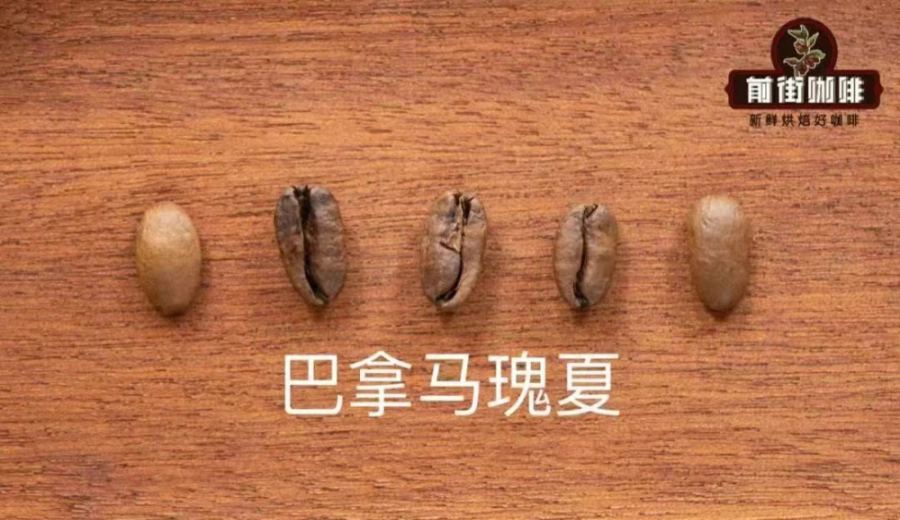
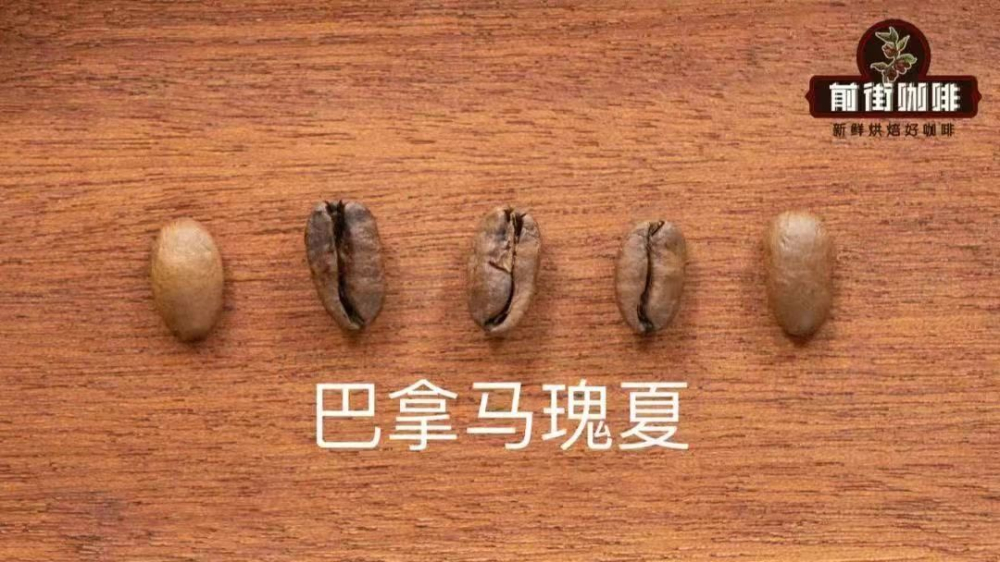
First, “Geisha” and “艺妓” (Geisha) are simply different Chinese translations for the same coffee variety. Its English name, Gesha or Geisha, due to its similarity in pronunciation to the Japanese word, is often translated as 艺妓 (Geisha coffee) in Taiwan, while the term 瑰夏 (Geisha) has gradually become the more commonly used name in mainland China. Regardless of what it’s called, the origins and characteristics of this coffee are highly intriguing.
Growing Environment and Demanding Conditions for Geisha
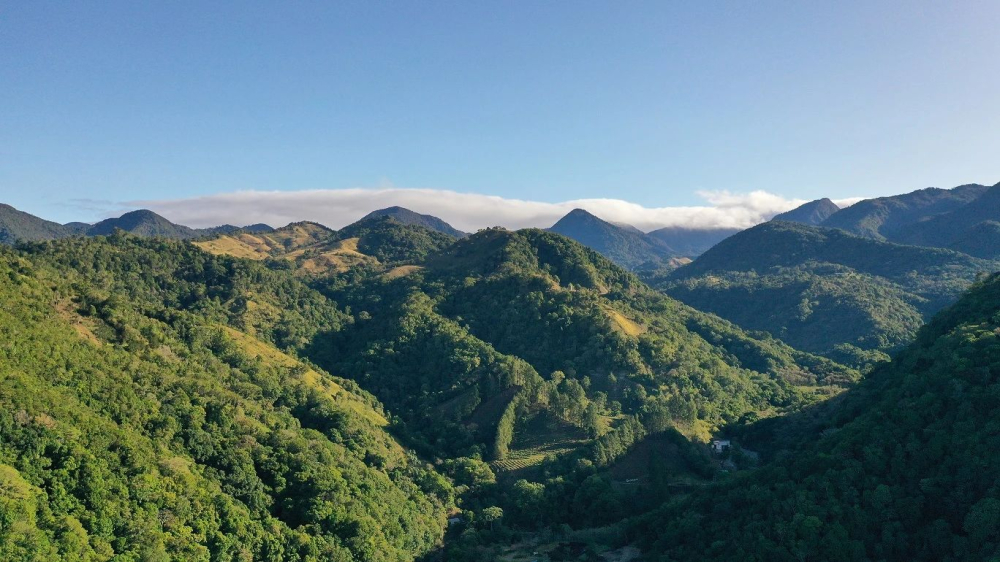
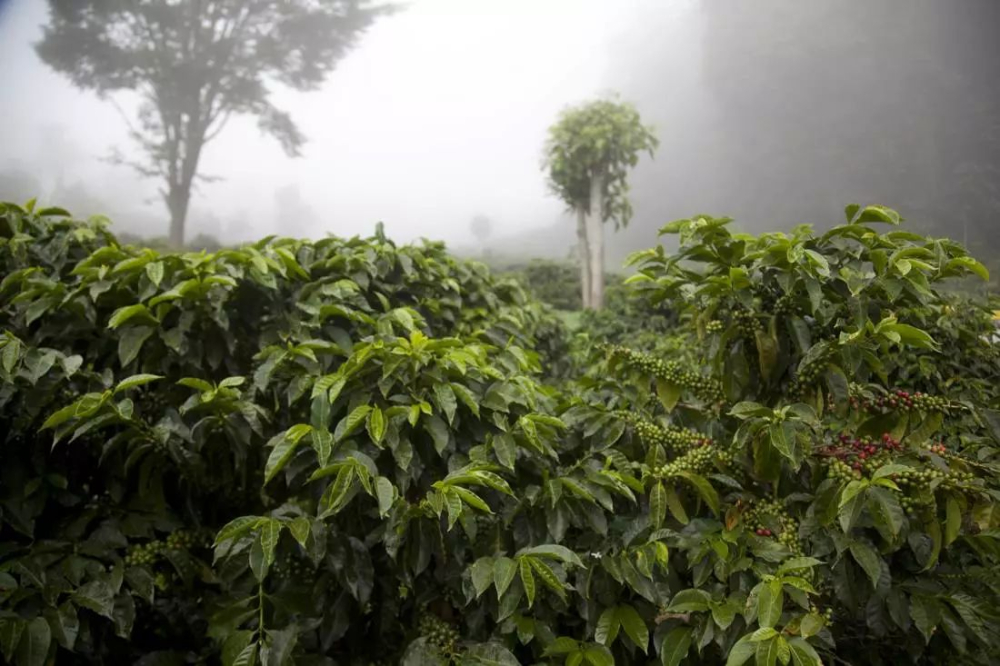
Growing coffee beans of Geisha’s caliber demands extremely stringent environmental conditions. High-altitude regions are typically capable of producing richer flavors, with ideal planting elevations generally ranging between 1400 and 1800 meters, or even higher. In addition, good shade conditions, fertile and well-drained soil, and sufficient accumulated temperature are all indispensable factors. The Aurora Coffee Estate in the northwestern part of Chiriquí Province, Panama, is a prime example of such an environment, with an average annual temperature ranging between 16°C and 25°C and annual rainfall reaching up to 3500 millimeters. Coupled with semi-shaded cultivation and unique local tree species, it creates optimal growing conditions for coffee.
The Origins of Hacienda La Esmeralda and Geisha
When talking about the Geisha from Panama’s Hacienda La Esmeralda (La Esmeralda), we must start with the history of its creation. This estate was originally purchased in 1964 by a retired Swedish-born banker, Rudolph A. Peterson, as a ranch for his retirement. It wasn’t until 1987 that his son, Price, gave up his medical career to help manage the farm and introduced coffee varieties such as Caturra and Catuaí, gradually transforming it into a coffee plantation. In 1994, the estate established its own washed processing plant, and in 1996, it incorporated the nearby high-altitude and uniquely flavored Jaramillo Estate.
The reason Jaramillo Estate was valued was mainly due to its high-altitude geographical advantage and unique microclimate. According to records, coffee consultant Mr. Dancu Paché discovered some neglected ancient coffee trees, which, upon identification, turned out to be the Geisha variety introduced from Costa Rica 30 years prior. These coffee trees had long been phased out by most farmers due to management difficulties, but under the careful cultivation of the Peterson family, they regained their former glory and won the championship at the Panama Cup of Excellence (BOP) in 2004, gaining fame from then on.
Red Label Geisha: Premium Auction-Grade Batches
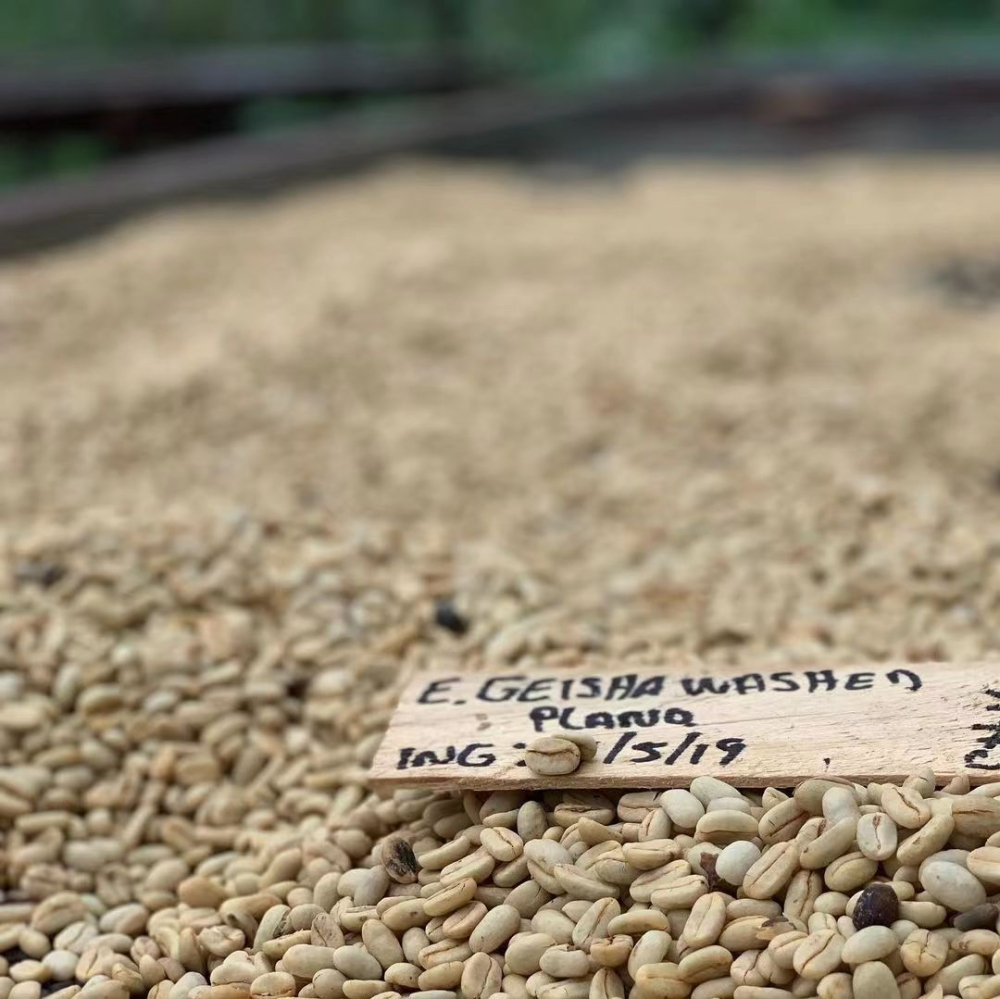
The Geisha from Hacienda La Esmeralda is primarily divided into Red Label, Green Label, and Blue Label based on quality and origin, with the Red Label being the top-tier auction-grade batch. These coffee beans are selected from the Jaramillo and Cañas Verdes districts at altitudes of 1600 to 1800 meters and must pass rigorous cupping tests, scoring above 90 points. Red Label Geisha can only be obtained through the independent auctions hosted by Hacienda La Esmeralda, making it a truly premium and limited batch. It’s worth mentioning that non-auction Red Label versions are also available on the market; although sourced from the same auction lots, they are not part of the auction process, are slightly more affordable, and maintain consistent quality.
Green Label Geisha: High-Value Micro-Lot Specialty
The Green Label Geisha, although not an auction batch, comes from high-quality micro-lots in various small regions such as Jaramillo and Cañas Verdes, grown at the same altitude of 1600 to 1800 meters. This coffee also showcases the classic Geisha traits of floral and fruity aromas, pronounced citrus acidity, a full and juicy mouthfeel, and rich flavor layers, making it the most value-for-money option among the three.
Blue Label & Volcanica: The Continuation of a Former Classic
The Blue Label Geisha (also known as Geisha 1500) previously used coffee beans grown at altitudes of 1400 to 1500 meters, sourced from three main plots: Jaramillo, Canas Verdes, and El Velo. Its flavor profile tended to be softer, with subtle floral and fruity acidity, and a clear sweetness. However, Hacienda La Esmeralda later felt that the pricing strategy of the Blue Label did not align with its brand positioning, and thus officially discontinued it in 2021. The subsequently introduced Volcanica batch is considered by many coffee professionals to have a flavor profile quite similar to the old Blue Label, becoming a new choice for consumers who enjoyed the previous Blue Label taste.
Practical Pour Over Parameter Recommendations
When brewing Geisha coffee, it is recommended to use freshly roasted beans to fully experience its delicate and varied flavors. Generally, beans roasted within 5 days can best showcase their potential, and it is suggested to let them rest for 4 to 7 days to reach their optimal degassing period. It is recommended to use a Hario V60 dripper, with water temperature controlled at 90°C, around 15 grams of coffee, a 1:15 coffee-to-water ratio, and a medium-fine grind size—approximately 80% passing through a Chinese standard 20-mesh sieve. A step extraction method can better fully release the flavors: begin with a 30-second bloom using 30 grams of water, then slowly pour in a circular motion until you reach 125 grams for the first pour. After the water level drops, continue pouring up to 225 grams to finish. Total extraction time is around 2 minutes.
Quick Overview of Flavor Characteristics
Red Label Geisha is characterized by bright rose floral notes and citrus tones, accompanied by honey sweetness and complex fruit layers, with a full body and strong juiciness. Green Label exhibits a balanced flavor of jasmine, citrus, berries, and honeydew, with a lingering and refreshing aftertaste. Volcanica (old Blue Label flavor) starts with soft lemon and grapefruit acidity, and as it cools slightly, reveals sweet notes of oolong tea, cane sugar, and peach, all in a clean and bright package.
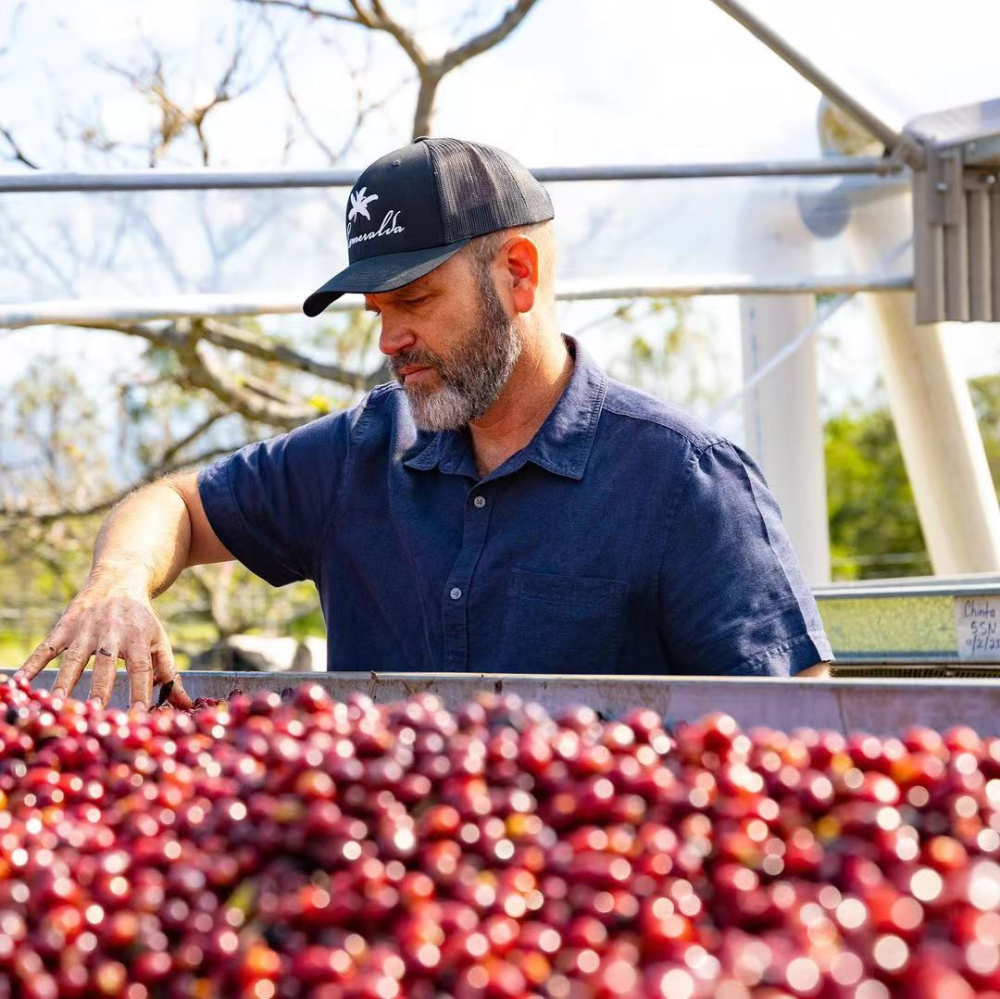
In summary, the Geisha series from Hacienda La Esmeralda in Panama, with its rigorous grading system and exceptional flavor performance, has become a sought-after item for specialty coffee enthusiasts worldwide. Whether you’re pursuing the ultimate with the Red Label, seeking great value with the Green Label, or reminiscing the classics with the Volcanica, each offers a distinctly unique tasting experience. If you’re deeply interested in the flavors of Geisha, consider starting with these classifications to explore your own coffee tasting journey.
The above content is compiled by CoffeeHunters, a coffee news website.


