








Introduction:Many coffee enthusiasts believe that coffee inevitably has a bitter and astringent taste. However, in reality, high-quality coffee beans inherently contain rich sweetness. This article delves into the sources of coffee sweetness, analyzes why medium roasting best highlights sweetness, and features three coffee beans with distinct sweet profiles. It also provides a detailed pour over brewing guide, including key parameters such as coffee-to-water ratio, water temperature, and pouring rhythm, to help you easily brew a richly layered and sweet cup of coffee at home.
Have you ever wondered why some coffee tastes sweet without being cloying, or even carries a fruity sweetness? In fact, high-quality coffee beans undergo complex chemical reactions during roasting, producing delightful sweetness. By understanding these principles and mastering the correct brewing methods, you too can enjoy a sweet and satisfying cup of coffee at home.
The sweetness in coffee mainly comes from the natural sugars in green coffee beans. During roasting, high temperatures trigger the Maillard reaction and caramelization, converting sugars and amino acids into more sweet-tasting polysaccharide compounds. This is precisely why the degree of roasting has a crucial impact on the expression of sweetness.

Generally speaking, light roasts, while preserving more acidity, tend to have less noticeable sweetness; dark roasts, due to excessive heat, cause some substances to carbonize, leading to a loss of both aroma and sweetness. In comparison,medium roastcan preserve acidity while moderately developing sweetness and caramel flavors, making it the most favorable roasting level for highlighting sweetness.
So, how can you taste the sweetness in coffee? Human taste buds can distinguish five basic flavors: sour, sweet, bitter, salty, and umami. The flavor of coffee is primarily captured by water-soluble molecules in the mouth, which are then transmitted to the brain. The tip of the tongue is most sensitive to sweetness, while the back of the tongue reacts most strongly to bitterness. Understanding this helps you capture sweetness more accurately during tasting.
Next, we recommend three coffee beans that excel in sweetness. First up isBrazilian Queen Estate Yellow Bourbon, grown at high altitudes using the Yellow Bourbon variety, which is dense and rich in sugars. The roaster employs a medium-dark roast to highlight the full-bodied characteristics of Brazilian beans while retaining the natural sweet tones of the Bourbon variety. It often features roasted nut and cocoa aromas, making it suitable for various brewing methods such as pour over, moka pot, or espresso.
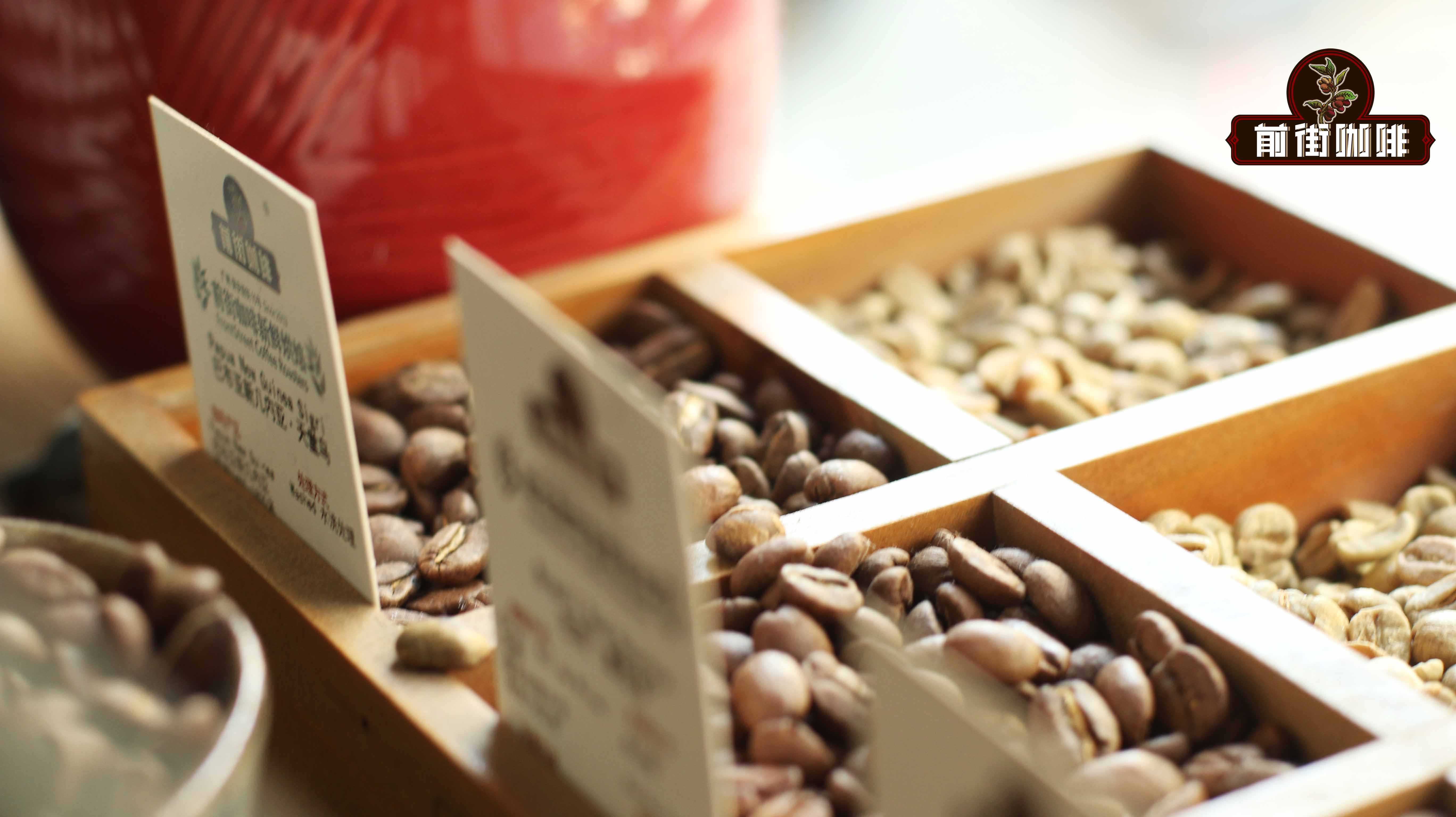 Next isColombia Huila Region Sidamo, grown at an altitude of about 1,700 meters, using a double anaerobic natural sun-dried processing method. This bean exhibits bold tropical fruit notes such as passionfruit and grapes, along with a candied sweetness and mild acidity. Its finish is smooth like almonds, earning high praise among coffee lovers.
Finally, we recommendStrawberry Sugar Geisha Blend, combining Costa Rican honey-processed coffee with Panamanian Geisha. The natural fermentation process preserves sweet aromas through mucilage retention. This blend features floral notes of rose, dried raisin, and blueberry as its core, with soft acidity and pronounced sweetness. It’s ideal for those seeking fruity and floral profiles.
If you want to brew a sweet and rich cup of coffee yourself, we recommend using any of the above beans and ensuring they are within their optimal freshness period. Below is a practical pour over brewing guide usingStrawberry Sugar Geisha Blendas an example:
Coffee dose: 15 grams
Grind size: 75%–80% through a #20 sieve, or approximately grind setting 10 on an Ek43 grinder
Coffee-to-water ratio: 1:15
Water temperature: 92°C
Steps: Begin with a 30-secondbloomby pouring about 30 ml of hot water. This helps release CO₂ from the coffee grounds and lays a solid foundation for subsequent extraction.
After the bloom, pour about 120 ml of hot water in a large circular motion at a rate of roughly 6 ml/s, aiming to complete this in about 20 seconds. At this stage, you’ll notice the coffee bed gradually forming a bowl-like structure.
When most of the water has drained and the center of the coffee bed appears slightly concave, focus your pour on the center area and control the flow rate. To ensure even extraction, switch to a smaller stream in the third stage, pouring about 75 ml of water in small circles at approximately 4 ml/s. Extend the extraction time appropriately in this phase to avoid under-extraction.
The total brewing time is approximately2 minutes and 15 seconds. The final cup should display a rich layering of flavors, potentially including orange blossom, strawberry, citrus, cream, and honey notes. The finish may carry aftertastes of oolong tea and berries, with an overall pronounced sweetness that lingers pleasantly.
The above content is compiled by CoffeeHunters, a coffee news website.


