







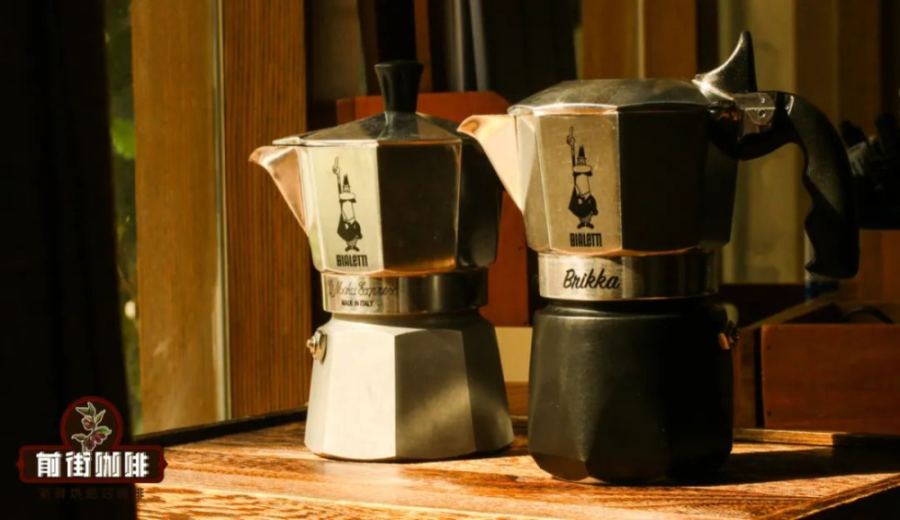
Introduction:The moka pot is the go-to brewing device for many home and camping coffee enthusiasts, but the differences between single-valve and double-valve designs often cause confusion. This article delves into the structural differences, extraction pressure, and flavor profiles of the two, as well as their compatibility with various coffee roast levels. It aims to help you choose the most suitable type based on your needs, while also offering practical advice on serving sizes for home use—so you can easily brew rich and smooth coffee.
With the rise of outdoor activities in autumn and winter, more and more coffee lovers are choosing to bring a moka pot along to enjoy freshly brewed coffee during camping trips. However, faced with the two common types—single-valve and double-valve—many people hesitate due to a lack of understanding of their differences. This article will guide you through the working principle of the moka pot and provide a detailed comparison of single-valve and double-valve models from the perspectives of pressure, concentration, crema, and usage scenarios. It also offers practical capacity recommendations for home use.
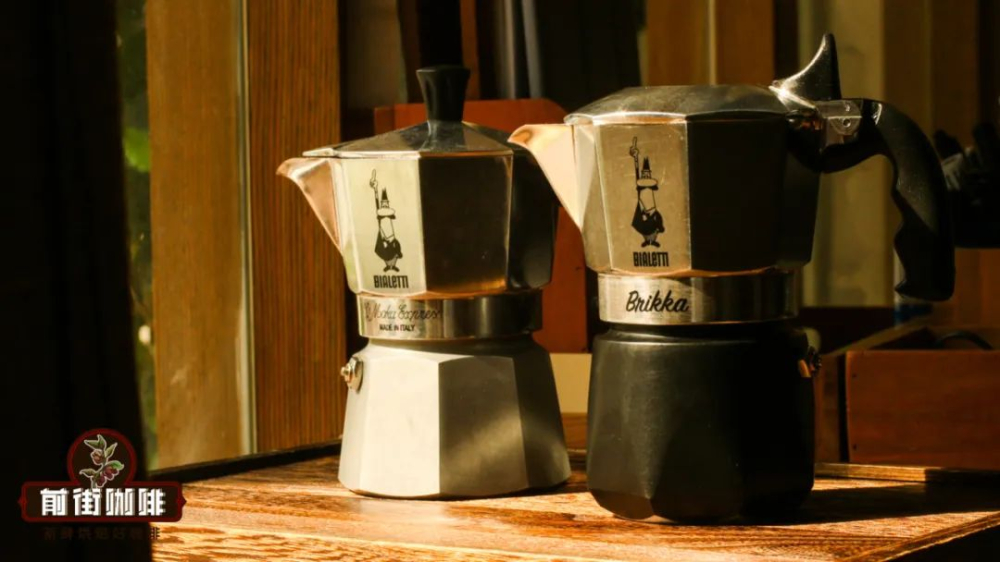
The reason the moka pot can brew strong coffee in a short time lies in its use of steam pressure generated by heating to push hot water up through the coffee grounds, completing the extraction. This design makes it an easy-to-use stovetop device that delivers espresso-like flavors, suitable for both home and outdoor settings. However, the commonly available moka pots on the market come in single-valve and double-valve versions, which differ slightly in structure and directly affect the final coffee outcome.
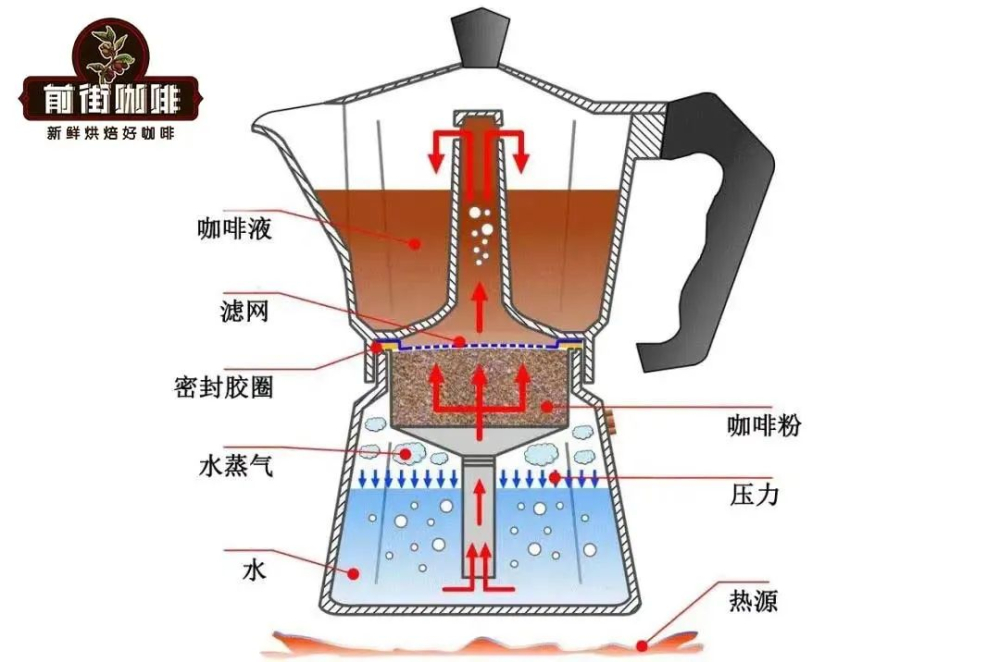
Let’s first look at the basic structure of a moka pot. It mainly consists of three parts: the lower chamber holds the water and is heated, the middle filter basket contains the coffee grounds, and the upper chamber collects the brewed coffee through a filter screen. When the lower chamber is heated, the water temperature gradually rises and turns into steam. The resulting steam pressure pushes the water upward along the central tube, through the coffee grounds, and finally gathers as brewed coffee in the upper chamber. This pressure- and heat-driven extraction method typically results in a strong, espresso-like flavor.
However, due to this extraction characteristic, the moka pot is better suited for medium to dark roasted coffee beans. Using beans that are too lightly roasted can lead to excessive acidity and off-flavors due to the high pressure and temperature, disrupting the overall flavor balance. Therefore, selecting the right coffee beans is crucial for moka pot users. Common choices include medium to dark roasted blends with chocolatey or nutty profiles, which can better highlight the strengths of the moka pot’s brewing style.
Next, let’s explore the differences between single-valve and double-valve moka pots. The single-valve moka pot is the most common type, featuring a relatively simple design that relies on naturally generated steam pressure for extraction. Generally, the extraction pressure of a single-valve moka pot is around 1~1.5 bar, which is on the lower end. As a result, the coffee grounds need to be ground quite fine—close to the fineness used for espresso machines—to achieve sufficient concentration and extraction efficiency. However, this fine grind size can be more challenging to achieve for those using hand grinders.
In contrast, the double-valve moka pot is equipped with an additional pressure valve at the spout. This valve narrows the flow path of the brewed coffee, preventing it from exiting too easily and thereby increasing the internal pressure. This design allows the actual extraction pressure to reach 1.5~2 bar, closer to the standard of professional espresso machines. Such a setup not only enhances the coffee’s concentration and extraction efficiency but also makes it easier to produce a rich crema layer, resulting in a fuller-bodied coffee experience.
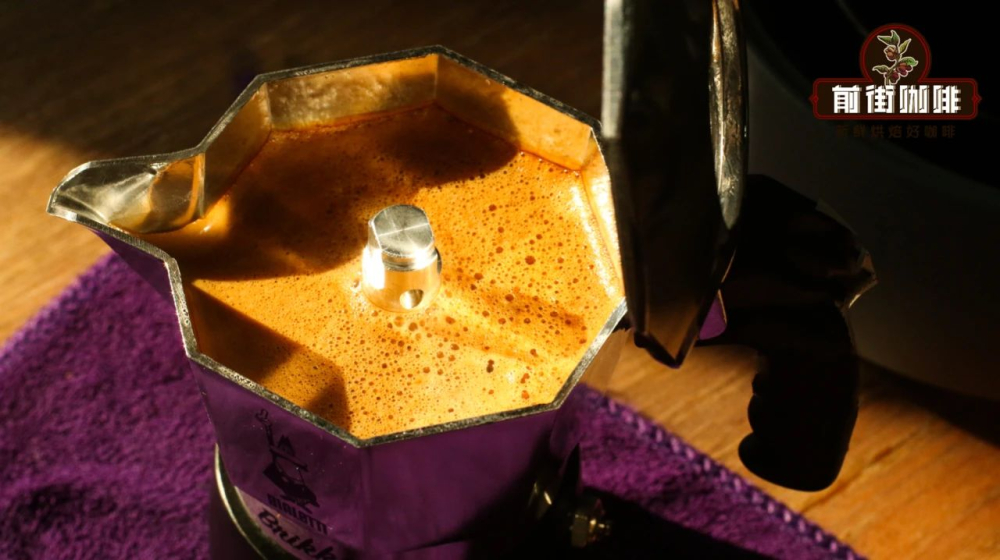
It’s worth noting that although the double-valve moka pot can produce more foam, it is often mistakenly referred to as "crema." However, this foam is different from the fine, stable crema produced by espresso machines—it tends to be coarser and less stable, making it unsuitable for latte art. Therefore, if your goal is to achieve a true espresso-style shot that can be used for latte art, the moka pot may not fully meet your needs. That said, it does deliver a rich, espresso-like coffee experience.
When choosing a moka pot, in addition to considering the difference between single-valve and double-valve models, it’s also recommended to select an appropriate capacity based on your household needs. For a 1–2 person household, a 1–2 cup model (with each cup around 80–100ml) is suitable. For 3–4 people, a 3–6 cup model (with each cup around 250–300ml) is advised to avoid over-extraction or excessively strong coffee. Additionally, it’s a good idea to adjust heating time and flame intensity based on the amount of coffee grounds used and their grind size to achieve the best extraction results.
In summary, if you primarily drink black coffee and have a limited budget, a single-valve moka pot can already meet your basic needs. However, if you want a coffee experience closer to professional espresso, or if you plan to use it with milk for lattes and other milk-based drinks, the double-valve moka pot is the more versatile choice. There is usually a price difference of over 100 yuan between the two, so it’s best to choose based on your actual usage scenario and budget.
The above content is compiled by CoffeeHunters, a coffee news website.


