







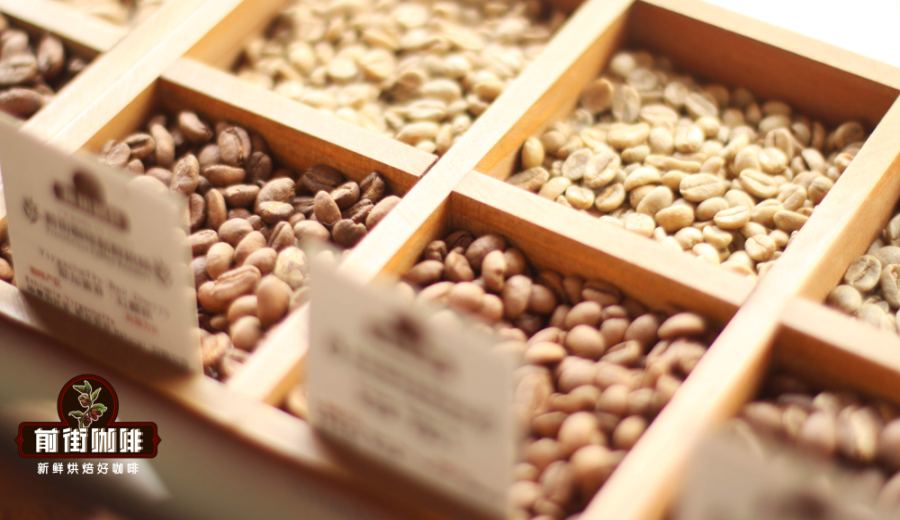
Introduction:This article delves into the G1 grade Natural Yirgacheffe Huacai (Hua Kui) coffee beans from Ethiopia’s Guji Hambella region, analyzing its unique natural processing method and light roast strategy. It takes you through how this seasonal-limited bean showcases intense floral and fruity notes. Detailed pour over and espresso SOE extraction parameters are also provided, offering brewing inspiration and flavor guidance suitable for both beginners and advanced enthusiasts.
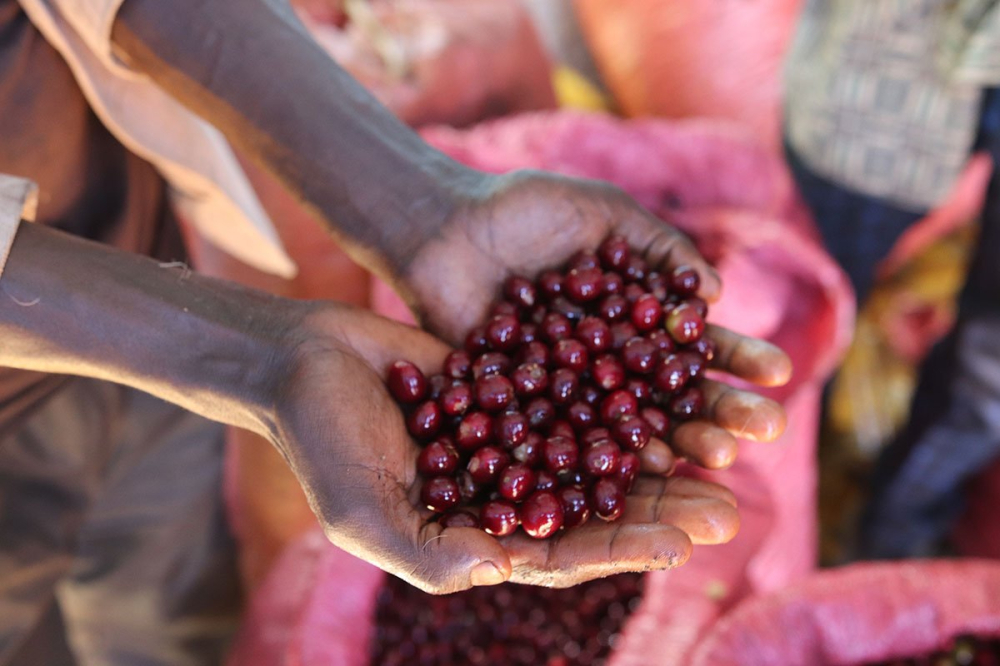
In Ethiopia’s specialty coffee grading system, G1 is recognized as the highest grade, symbolizing excellence in green bean processing, defect rate, and flavor potential at origin. Among them, the Natural Hua Kui G1 beans from the Buku Abel washing station in the Guji Hambella region are one of the representatives of this high standard. These coffee beans are processed using the traditional natural method, where harvested coffee cherries are directly placed on African raised beds and slowly dried under ample sunlight, allowing the sugars and fruity aromas from the pulp to fully penetrate the seeds inside.
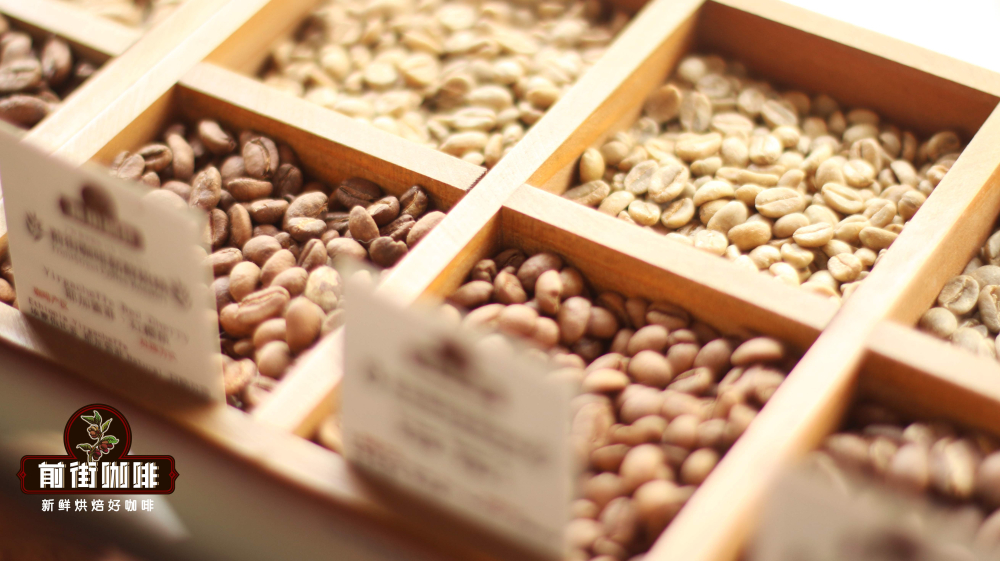
The most distinctive feature of the natural processing method is its ability to significantly enhance the sweetness and fruitiness of the coffee. After being processed this way, Hua Kui exhibits multi-layered tropical fruit flavors. Upon the first sip, you can perceive the bright acidity and sweetness of citrus and pineapple, followed by distinct layers of peach, guava, and strawberry jam, with the finish blooming into a smooth black tea aroma and delicate floral notes. This flavor profile is made possible thanks to the cool high-altitude climate of Guji Hambella and the extended fermentation period of the fruit pulp.
Ethiopian coffees are renowned for their bright acidity, floral and fruity aromas, and light body. Therefore, for such beans, roasters typically opt for a light to light-medium roast level to preserve their inherent flavor characteristics. A dark roast not only risks masking the delicate fruity and floral notes but may also shift the coffee toward a burnt or charred profile, losing its regional identity. Based on the characteristics of Hua Kui, the supplier has designed two different roast profiles: one is a light-to-medium roast version geared toward pour over and cold brew use, and the other is a medium roast SOE bean suitable for espresso or moka pot brewing.
If you prefer to enjoy Hua Kui via pour over, it is recommended to use a V60 #01 filter cone, with 15 grams of coffee grounds, a 1:15 coffee-to-water ratio, and water temperature maintained between 90–91°C, using a medium-fine grind (approximately 80% passing rate through a Chinese standard No. 20 sieve). Specifically, it is suggested to employ the classic three-pour method: begin with a 30-second bloom using 30 grams of water to activate the release of aromatic compounds from the coffee grounds; then pour in a small circular motion until reaching 125 grams, pause briefly as the water level drops slightly, then continue pouring up to 225 grams, and finally let it drip through until nearly finished. The total extraction time is around 2 minutes. This process helps achieve even extraction, avoiding over-extraction or excessive acidity, and allows the fruitiness and sweetness of Hua Kui to achieve optimal balance.
If you prefer to brew using an espresso machine, the SOE version of Hua Kui is the ideal choice. It is recommended to use 20 grams of coffee grounds, aiming to extract 40 grams of espresso with a 1:2 coffee-to-liquid ratio, keeping the extraction time between 25 to 32 seconds. The grind setting is suggested to be around Galileo 2.0, which can be fine-tuned according to the actual flow rate. In practice, start by evenly distributing the coffee grounds with a distribution tool, then tamp vertically and firmly with a tamper to ensure consistent puck density. Before starting extraction, run water for 1 to 2 seconds to rinse the group head, remove old coffee residue, and preheat the brewing circuit. After securely attaching the portafilter, begin extraction while observing the flow rate and crema development. When the espresso reaches 40 grams and the time is around 30 seconds, stop the extraction to obtain a shot with rich crema and bold aroma.
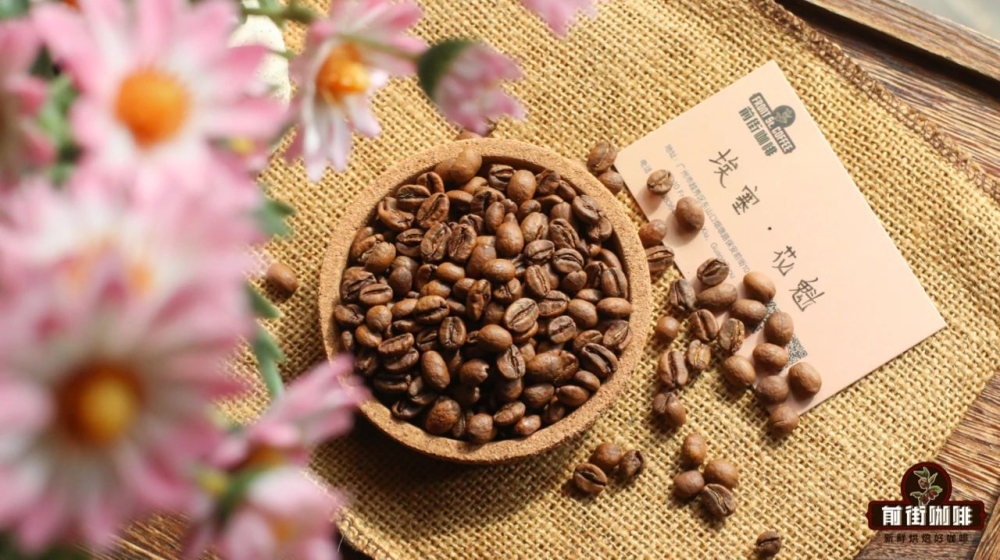
The flavor profile of the Hua Kui pour over version is quite delightful. Upon opening the bag or grinding the beans, you can detect intense mixed berry aromas. After brewing, the cup presents bright acidity and sweetness of creamed strawberry and passion fruit, with a full body and noticeable sweetness, along with rich layers—making it highly suitable for coffee lovers who favor fruity profiles.
As for the SOE espresso version, the crema produced is a light golden-yellow, exuding a strong tropical fruit atmosphere. When used as a base for an Americano, the interplay of berry sweetness and orange freshness results in a flavor that is refreshing, similar to high-quality black tea, with a clean and non-dragging finish. If paired with milk to make a latte, it exhibits a silky, creamy cranberry-like sweetness with a gentle caramel aftertaste—making it perfect for everyday enjoyment or as a post-meal treat.
The above content is compiled by CoffeeHunters, a coffee news website.


