







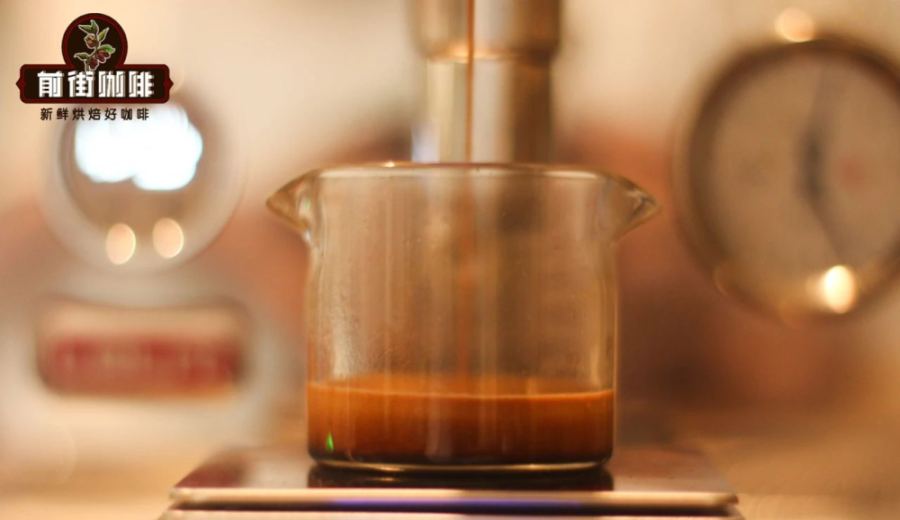
Introduction:Espresso is an essential base for coffee beverages worldwide, beloved for its intense flavor and distinctive crema layer. This article delves into the extraction principles of espresso, its key flavor characteristics, and provides a detailed breakdown of professional-grade preparation processes and parameter settings. It also recommends several practical blends for readers to reference. Whether you're a beginner or an advanced enthusiast, you'll learn the tricks to brewing great-tasting espresso at home.
Espresso is the heart of many classic coffee drinks, such as lattes, cappuccinos, and even Americanos, all of which are derived from it. This type of coffee, extracted under high pressure and high temperature in a short period of time, not only delivers concentrated flavors and a rich mouthfeel but is also renowned for the golden, fine foam layer on top known as "crema." What makes espresso so captivating? And how can you replicate that professional-level taste at home? This article will take you from principles to practice, giving you a comprehensive understanding of the essence of this coffee.
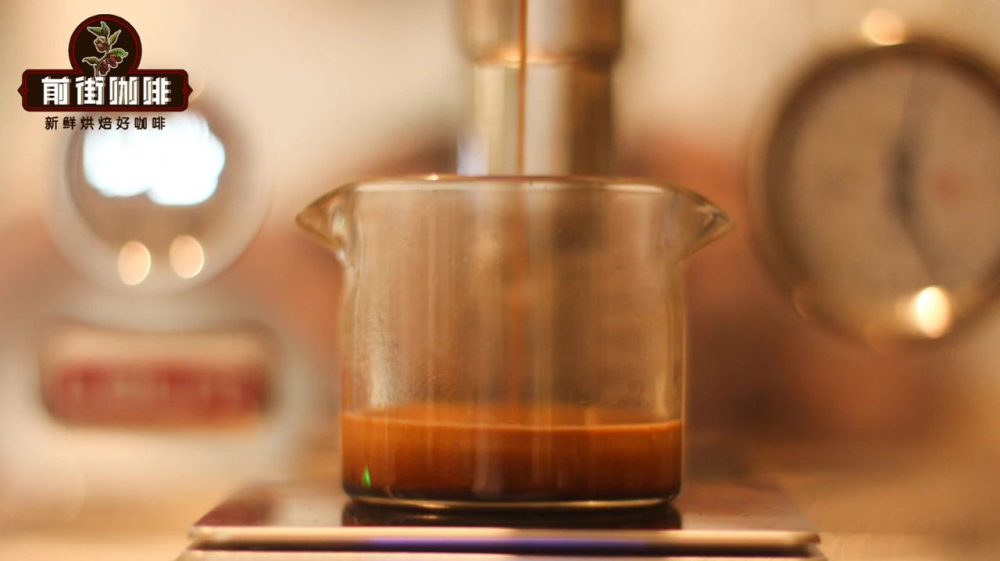
The birth of espresso stems from the evolution of Italian coffee culture. Compared to drip coffee, it uses near-boiling water pushed through extremely finely ground coffee powder at around 9 atmospheres of pressure, completing the extraction in just 20 to 30 seconds. This high-pressure environment not only causes a large release of soluble substances from the coffee but also forms a stable, fine layer of foam—what we know as crema—when carbon dioxide from the beans is released after the pressure subsides.
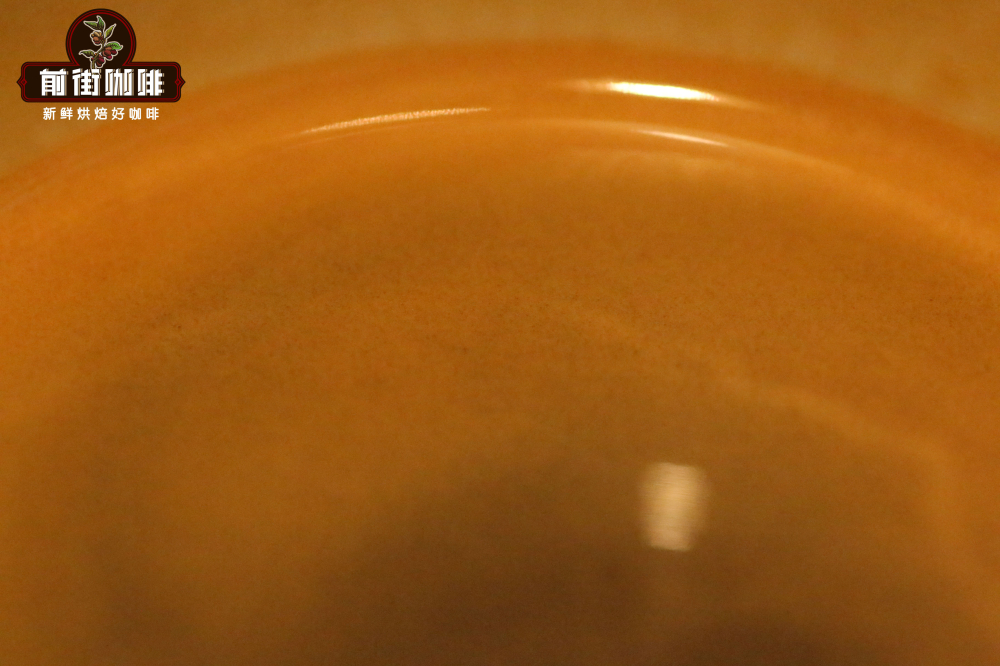
Crema can be considered one of the key indicators of a good espresso. It affects not only the appearance but is also closely related to the freshness of the extraction, the stability of the pressure, and the degree of roast of the coffee beans. Freshly roasted beans, rich in carbon dioxide, can release more gases during extraction, resulting in a thick and darker crema, usually indicating a richer taste. If the crema is thin or pale in color, it may suggest that the beans have been stored for too long or that the pressure was unstable during extraction.
Additionally, another standout feature of espresso is its high concentration. Due to the short extraction time and high pressure, a large amount of flavor compounds are dissolved in a small volume of liquid, delivering a strong impact with every sip. A standard double shot of espresso typically uses about 18 to 20 grams of coffee grounds and extracts 36 to 40 grams of coffee liquid, with a ratio of approximately 1:1.8 to 1:2. The extraction time is recommended to be controlled between 25 to 30 seconds; too short may result in a weak flavor, while too long could bring out burnt, bitter notes.
If you want to try making espresso at home, you’ll first need an espresso machine capable of consistently providing 9 bars or more of pressure, as well as a precise grinder to ensure evenly fine coffee particles. For a double basket, it’s recommended to fill about 20 grams of coffee grounds and distribute them evenly using a distribution tool, then tamp the grounds firmly with a tamper—an essential step for stabilizing the flow rate during extraction.
Before starting the extraction, it’s advisable to run water through the group head to remove any residual coffee grounds and preheat the equipment. Then, place the puck into the group head, start the extraction steadily, and observe the extraction time and flow rate. When the coffee liquid reaches about 40 grams and the time falls between 28 to 30 seconds, you can stop. At this point, the espresso should display a deep brown color with golden highlights, offering a rich and full-bodied taste with a long-lasting finish.
The flavor profile of espresso is inseparable from the choice of coffee beans. Dark roast blends often carry aromas of chocolate, caramel, and even whisky-like notes, appealing to those who enjoy a bold taste. In contrast, medium to light roast beans may present more acidity and fruity-floral notes, such as berries or citrus flavors, suiting drinkers who prefer a fresher profile. Regardless of the bean selection, freshness is key—opt for coffee beans roasted within two weeks for optimal extraction results.
For beginners, it's recommended to start with dark roast blends, as these beans are generally easier to extract with stable and rich crema, making them ideal for making Americanos or milk-based coffee drinks. If you’re looking to explore more complex flavors, try medium roast blends, such as those combining beans from Central and South America with African origins, which can deliver a subtle balance of berries, honey, and caramel notes in your espresso.
In summary, a good espresso relies not only on precise equipment and parameters but also on a basic understanding of the characteristics of the coffee beans. From grind size and dosage control to tamping pressure and extraction time, each step influences the final flavor. By mastering these fundamental principles, you can enjoy a professional-grade espresso experience right at home.
The above content is compiled by CoffeeHunters, a coffee news website.


