







Introduction:Mandheling coffee from Sumatra, Indonesia, is renowned for its unique wet-hulled processing method and rich, spicy-herbal flavor profile, making it a classic choice for many coffee enthusiasts exploring dark roast characteristics. This article delves into Mandheling’s regional distribution, naming origins, varietal evolution, and processing techniques, while comparing the differences between two well-known producing regions—Lintong and Lake Tawar. It also provides key brewing insights and flavor profiles, serving as a comprehensive beginner’s guide to this “gentleman among coffees.”
Dubbed the “gentleman among coffees,” Mandheling is a classic single-origin favorite among those who appreciate bold flavors. Grown in the high-altitude regions of Sumatra, Indonesia, it stands out not only for its full-bodied and intense taste but also for its distinctive wet-hulled processing and herbal-spicy notes. This article explores Mandheling’s past and present through its geographic conditions, naming origins, varietal background, and processing methods. It also highlights differences between popular regions such as Lintong and Lake Tawar, as well as the premium profile of PWN Golden Mandheling, offering a holistic understanding of this iconic Indonesian coffee—from flavor and processing to extraction.
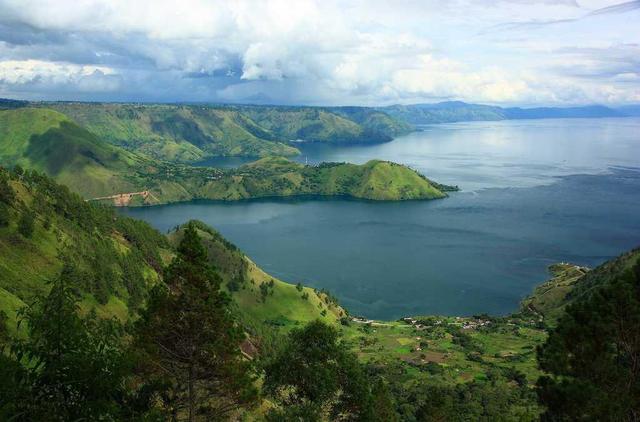
As one of Indonesia’s primary coffee-growing regions, Sumatra boasts a uniquely diverse geography. The island is dotted with volcanoes, and its mineral-rich soils, combined with high altitudes and abundant rainfall, create a microclimate ideal for growing Arabica coffee. Among the many producing areas, the northern Gayo highlands of Aceh Province (Lake Tawar) and North Sumatra’s Lintong are the most renowned. Nestled near the Gayo Mountains, Lake Tawar has been preserved in its pristine natural state due to years of internal conflict, and the promotion of organic farming there enhances the purity of its coffee flavors. In contrast, Lintong’s coffee is mostly cultivated on clay plateaus covered with fern vegetation. Although grown without shade trees, the combination of altitude and favorable microclimates produces beans with notable body and character. These two regions’ Mandhelings represent the two most common and iconic flavor profiles available on the market.
The origin of the name “Mandheling” is tied to a widely circulated story. During World War II, a Japanese soldier asked for the name of a beverage at a coffee shop in Indonesia, but the shop owner misunderstood and thought he was being asked about his origin, replying “Mandailing” (Mandheling). After the war, the soldier recalled the uniquely flavored coffee and referred to it as “Mandheling.” It wasn’t until 1968, when Japanese traders introduced Sumatran Mandheling to the market, that the name gained widespread recognition and has been used ever since. This also brought fame to the PWN coffee company (PWN).
The evolution of coffee varieties in Indonesia is closely linked to the onslaught of coffee leaf rust. In 1877, the once-dominant Typica variety was nearly wiped out by the disease, prompting the government to introduce more disease-resistant cultivars, including Tim Tim, Ateng (Catimor), and Jember. Among these, Ateng is a hybrid of a Bourbon mutation and Tim Tim. Though criticized in some countries for lacking desirable flavors, Ateng thrives under Sumatra’s unique soil and climate conditions, developing a rich woody profile that has become the local standard. Lintong Mandheling is typically a blend of Ateng and Tim Tim, while Golden Mandheling is predominantly Ateng, contributing to its distinct flavor signature.
Sumatra’s hot and humid tropical rainforest climate poses challenges for processing green coffee beans. To address issues caused by high humidity during fermentation and drying, the region developed the unique “wet-hulled” method. This semi-washed process involves removing the outer parchment layer before it is fully dry, allowing the beans to complete their final drying phase in an exposed state. Compared to traditional washed processing, the wet-hulled method requires shorter fermentation times, less water, and removes the husk when the beans still have a moisture content of approximately 35%–40%. The subsequent reabsorption of moisture contributes to Mandheling’s characteristic deep woody, herbal, and spicy notes. While this method shortens the production timeline, it also carries a higher risk of defects—key factors behind the unique flavors of Sumatran Mandheling.
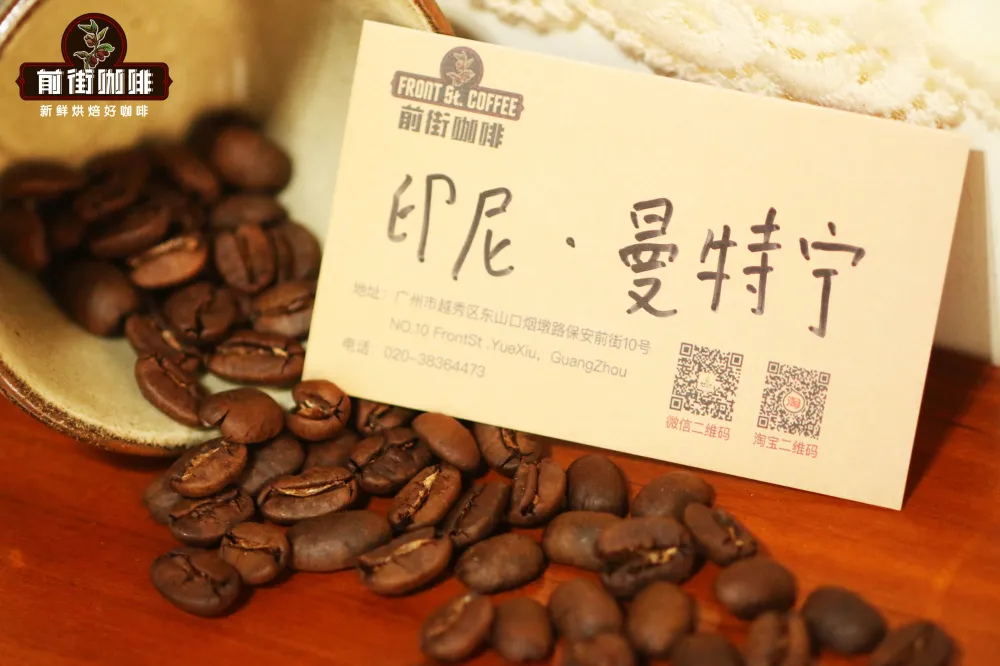
As one of the representative regions of wet-hulled processing, Lintong Mandheling showcases the quintessential Sumatran flavor profile: intense earthy and herbal undertones, followed by a mid-palate of nutty and dark chocolate richness, often rounded off with subtle hints of spice in the finish. A certain brand features it in its everyday drinking series, not only because of its affordability but also because it allows newcomers to experience the unique personality of Indonesian coffee with low barriers to entry. Sold mostly in 100g small packs, these beans reduce storage pressure and let consumers easily explore different regional flavors, making them an ideal choice for beginners in specialty coffee.
When it comes to premium-grade Mandheling, none surpasses PWN Golden Mandheling. As a top-tier product from PWN Coffee Company, Golden Mandheling selects only Grade 1 beans, using only whole beans larger than 18 mesh. They undergo mechanical sorting and three rounds of hand-picking to ensure each bean meets the highest standards. While also processed via wet hulling, the rigorous selection process drastically reduces defect rates, resulting in a cleaner and more pronounced flavor. In cupping, Golden Mandheling reveals aromas of black chocolate, nuts, and caramel, with a mid-palate of herbal spices and pine wood tones. It delivers a full-bodied texture with a long-lasting aftertaste, soft and clean acidity, making it a classic beloved by many coffee connoisseurs.
When brewing Mandheling, it is recommended to use a medium-dark roast to preserve its rich base flavors while avoiding over-caramelization. A certain brand suggests using a KONO filter, keeping the water temperature at 87°C, with a brew ratio of 1:15 and a grind size around 70% passing through a Chinese No. 20 sieve. The specific steps are as follows: start by pouring 30g of hot water for a 30-second bloom, then slowly circle the water from the center outward with a fine stream until you reach 125g. When the water level is about to expose the coffee bed, continue pouring to a total of 225g. The overall extraction time is approximately 2 minutes. After brewing, gently swirl the coffee to better experience its layered and complex flavor profile.
The above content is compiled by CoffeeHunters, a coffee news website.


