








Introduction:Both the French press and moka pot are beloved home brewing tools among coffee enthusiasts. Both have low barriers to use but deliver distinctly different coffee flavors. The French press excels in immersion brewing, preserving full oils and a rich mouthfeel, while the moka pot utilizes steam pressure to extract a bold coffee with Crema. This article delves into the characteristics, operation processes, and precautions of both, and provides guidance on choosing a moka pot, helping you find the most suitable brewing method based on your preferences.
Among the many home coffee tools, the French press and moka pot are often considered the "go-to choices for beginners." Not only are they simple to operate, but they also highlight the unique flavors of coffee beans. The former brings out a full-bodied texture and delicate oils through immersion, while the latter uses pressure to create an espresso-like intensity, even producing fine Crema. This article will provide a detailed comparison of their extraction features, step-by-step procedures, and key points to note from a practical usage perspective, along with a guide to selecting and using a moka pot, assisting you in making the best choice based on your daily needs and taste preferences.

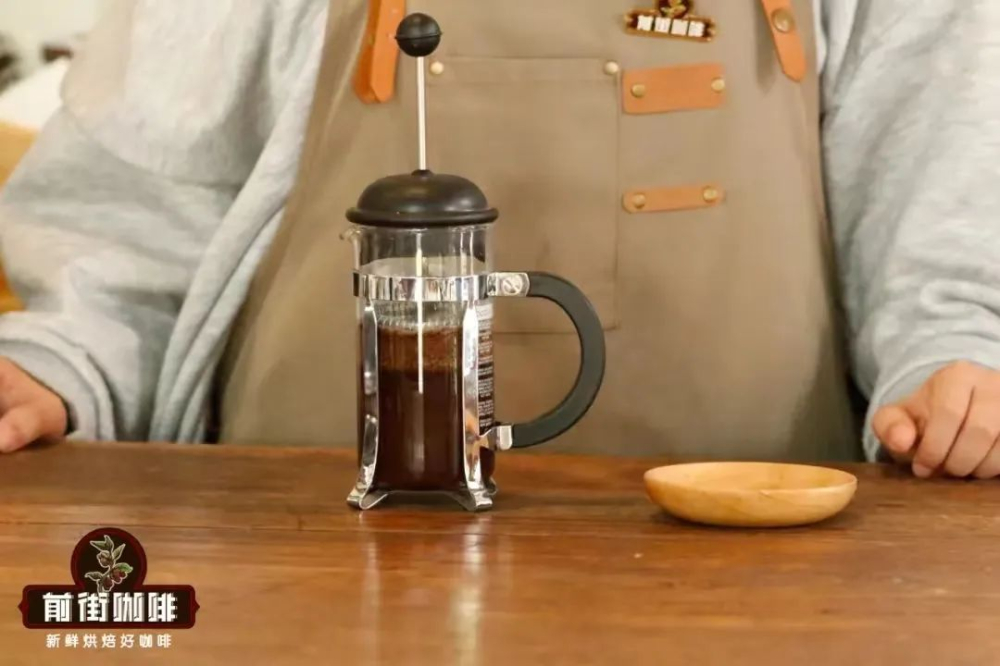
The French press, also known as a French press coffee maker, dates back to around 1850 in France. Its basic structure consists of a heat-resistant glass carafe and a metal plunger filter. Though the design seems simple, it achieves immersion brewing close to professional cupping standards, effectively preserving the coffee’s oils, aromas, and sweet layers, resulting in a smooth and rich drinking experience. It is a popular entry-level choice for many coffee novices and home users.
When using a French press to brew coffee, it is recommended to choose medium to dark roast single-origin beans, especially those with pronounced fruity acidity that can better highlight their flavor characteristics. In terms of grind size, a medium grind—approximately level 5–6, similar in coarseness to sea salt—is advised to ensure even water penetration without over-extraction. A coffee-to-water ratio can start at 1:10, such as 20 grams of coffee beans with 200 milliliters of hot water, with a steeping time of 3 to 4 minutes. Special attention should be paid to the fact that if the coffee grounds are too fine, they may pass through the filter, resulting in cloudy coffee. It is suggested to refer to the following grind sieve passing rate reference value: around 65–70% for the French press, slightly coarser than cupping.
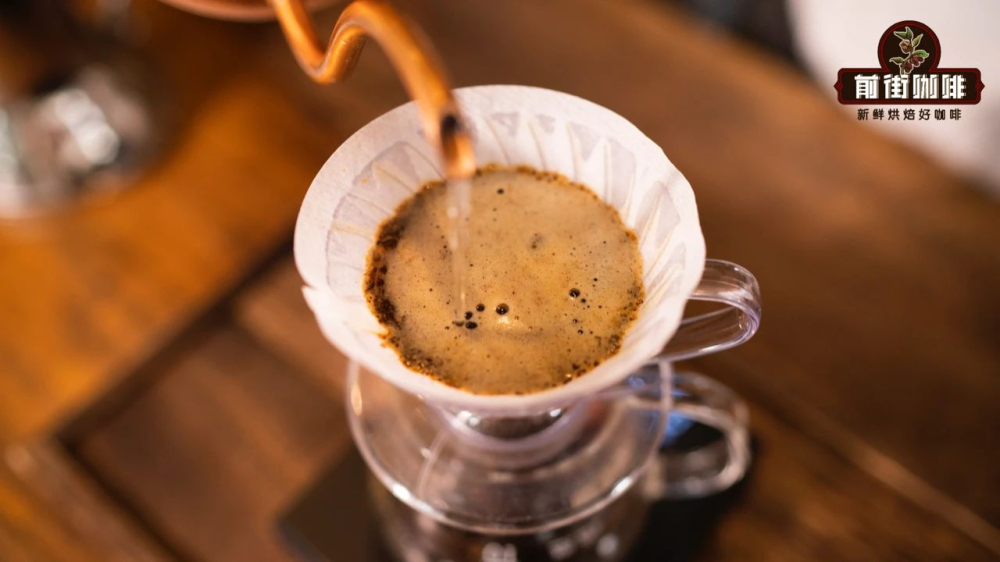
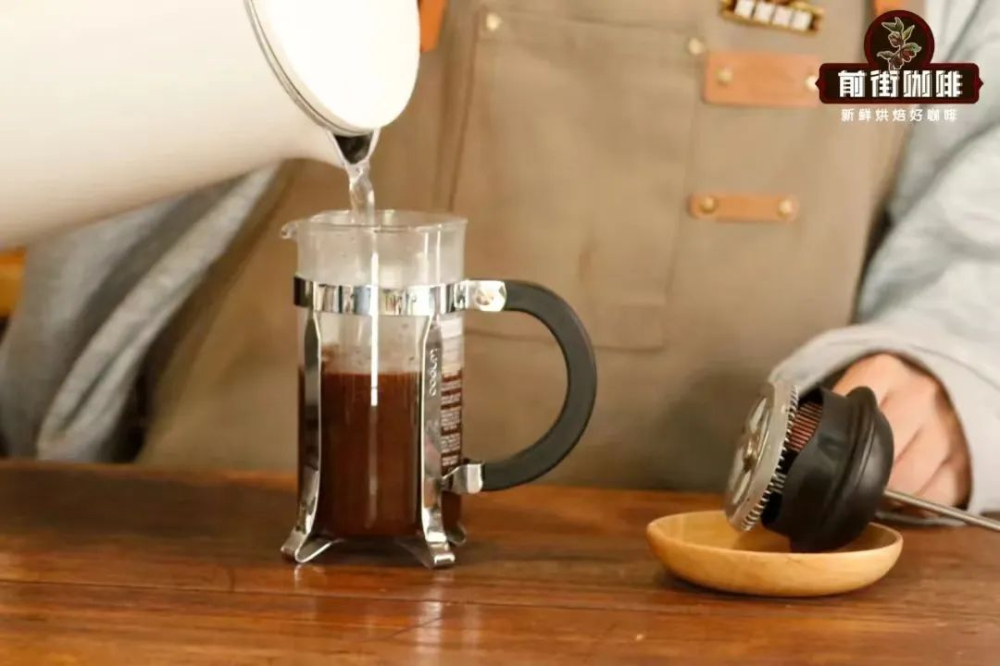
In terms of specific operation steps, first grind an appropriate amount of coffee beans to a medium coarseness, pour them into the French press, and then add preheated water at 93°C. It is recommended to use an electronic scale to precisely control the coffee-to-water ratio. If an electronic scale is not available, attention should also be paid to the density differences caused by altitude and roast level. After pouring the hot water, gently stir to evenly wet the coffee grounds, then immediately cover the lid and keep the filter at the highest position, letting it steep for 3 to 4 minutes. Do not rush to press down during this stage; allow the coffee grounds and water to interact fully to release the flavors. Once the time is up, first gently skim off any surface foam and fine particles, then slowly and steadily press the filter to the bottom. Avoid pressing too hard to prevent over-extraction and bitterness. After extraction, it is recommended to pour the coffee immediately into a thermos to avoid continued flavor alteration from residual heat.

When operating a French press, there are several key details worth noting: it is recommended to use fresh, filtered soft water to avoid hard water affecting the taste of the coffee; when pressing the filter, ensure it is done steadily and slowly to maintain extraction balance; if you wish to make coffee with milk, you can use a clean French press separately, pour in 1/3 warm milk, and gently pull the plunger up and down until the volume expands to about twice its size to achieve silky microfoam, adding a layer of richness to your drink.
Another commonly mentioned home coffee tool—the moka pot—is renowned for its intense flavor and ease of use. Its structure mainly consists of three parts: the lower chamber, the funnel, and the upper chamber. By heating the lower chamber to generate steam pressure, the water is pushed upward through the coffee grounds in the middle funnel, eventually collecting as a strong coffee liquid in the upper chamber. This design principle allows the moka pot to easily replicate an espresso-like intensity at home, even extracting fine Crema, making it a favorite among those who enjoy bold flavors.
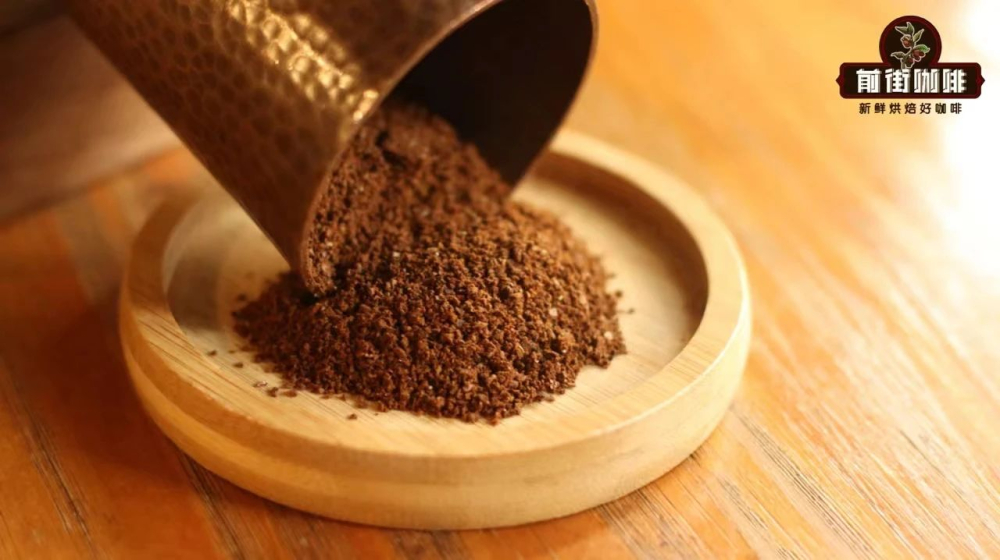
When using a moka pot, it is recommended to choose medium-dark to dark roast coffee beans to enhance its rich characteristics. Regarding the operation steps, first fill the lower chamber with clean water, keeping the water level about 0.5 cm below the safety valve to prevent overflow during boiling. Next, grind the coffee beans to a slightly coarser consistency than espresso, ensuring the particles won’t pass through the funnel filter, and use a distribution technique to form a flat, small mound on the surface. Place the funnel into the lower chamber, tightly assemble the upper and lower chambers, and place the moka pot on an electric stove over high heat.

When the moka pot starts to emit a distinct “wuu wuu” sound, it indicates that the internal steam pressure is gradually increasing. At this point, the heat should be reduced to low, and the upper chamber lid should be opened to observe the extraction status. When about half of the coffee liquid has flowed out, you can turn off the heat and let the residual heat and remaining pressure push the rest of the coffee into the upper chamber. Once all the coffee liquid has been fully extracted into the upper chamber, it is ready to be poured and enjoyed. This brewing method not only delivers a bold taste but can also produce fine Crema in some cases, making it suitable for direct consumption or adjusting the flavor with water or milk.
In summary, the French press and moka pot each have their own unique features. The former offers a smooth, rich, and full-bodied coffee with complete oils through immersion brewing, suitable for users who prefer natural flavors and easy operation. The latter extracts a bold coffee with Crema using pressure, meeting the demand for intense flavor. Regardless of which tool you choose, it is recommended to match the appropriate coffee bean roast level and grind parameters based on personal taste preferences, daily usage scenarios, and brewing habits, while paying attention to water quality and operational details, in order to fully realize the potential of the tool and enjoy a uniquely satisfying cup of coffee every time.
The above content is compiled by CoffeeHunters, a coffee news website.


