







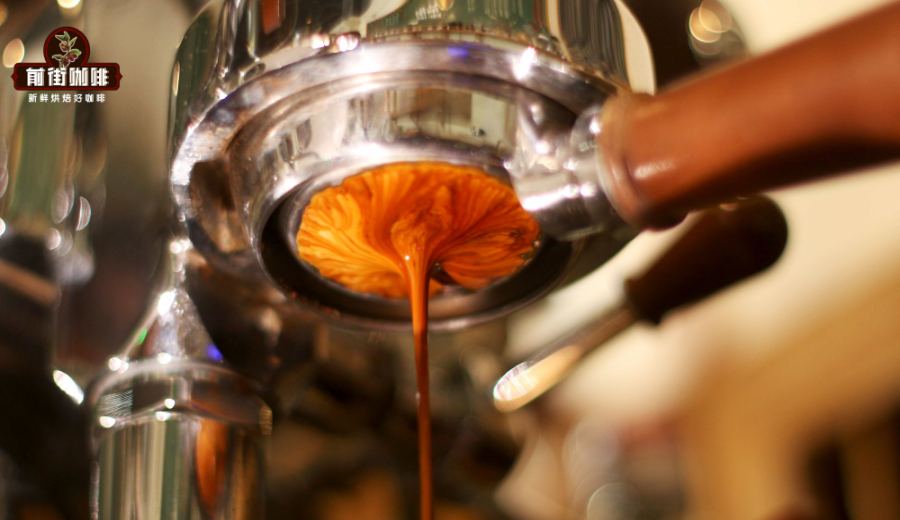
Introduction:Espresso is the soul of a café, but do you really understand the differences between an espresso and a caramel macchiato? This article delves into 10 of the most popular espresso-based drinks, covering their preparation ratios, core ingredients, and unique flavors, along with practical brewing details and common misconceptions. Whether you want to accurately replicate café flavors or make more informed choices when ordering, this comprehensive guide will take you from beginner to advanced.
Walk into a café, and espresso-based drinks always occupy the central spot on the menu—but they go far beyond just americano and latte. From the intense base of espresso to the sweet variations of caramel macchiato, each espresso drink has its own unique brewing technique and flavor profile. This article will detail 10 classic espresso beverages, including their standard recipes, key ingredients, and sensory experiences, helping readers understand the subtle differences between these drinks.
① Espresso
Espresso is the foundation of all espresso-based drinks. It is extracted under high pressure of about 9 atmospheres in a short amount of time, concentrating the essence of coffee into a small cup. This extraction method gives the coffee a rich, bold flavor with a caramel-like finish, along with a layer of fine, dense crema. Typically, around 20 grams of coffee grounds are used to produce about 40 grams of espresso, and the texture and thickness of the crema are key indicators of a successful extraction.Image: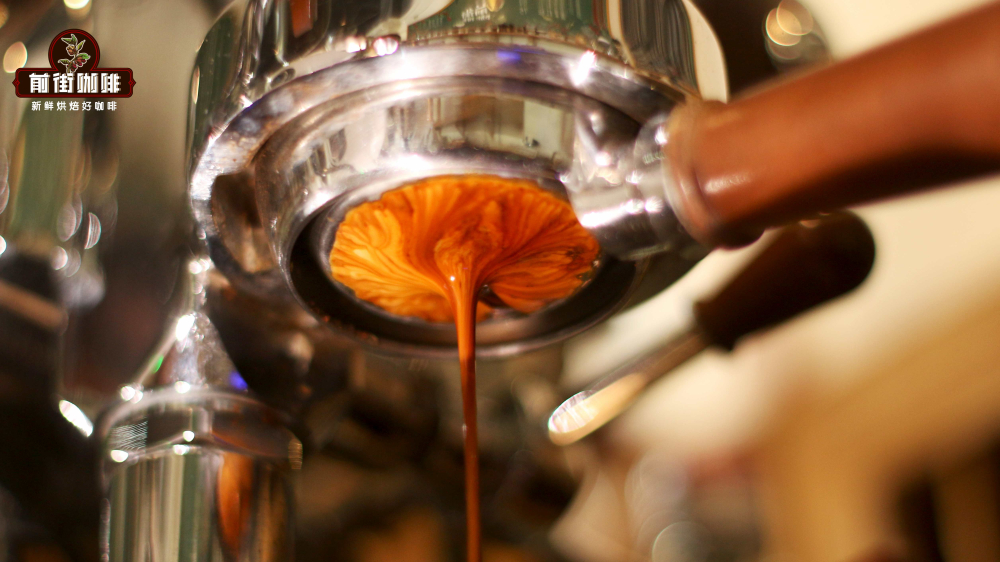
② Americano
An Americano is made by diluting espresso with hot water. Its origin dates back to World War II, when American soldiers adjusted the intensity of espresso to suit their taste. Although adding water reduces the overall concentration, the aroma remains distinct, significantly different from filtered coffee. A common ratio is 40 grams of espresso mixed with 180 ml of hot water, for a total volume of about 220 ml, with a coffee-to-water ratio of approximately 1:4.5. It’s suitable for those who prefer a milder taste.Image:
③ Caffè Latte (Latte)
In Italian, "latte" means "milk." A latte is a classic coffee made with a shot of espresso as the base, combined with a large amount of steamed milk and a small amount of milk foam. Typically, it uses a double shot of espresso (about 40 grams) with 260 grams of milk and about 1 cm of milk foam. The balance of milk and coffee aromas makes it ideal for latte art. Its smooth and mild character makes it a popular choice for coffee beginners.
④ Cappuccino
Like the latte, the cappuccino is a milk-based coffee, but it has thicker foam and less milk overall, resulting in a stronger coffee presence. The traditional ratio is 1:1:1 (espresso:milk:foam), giving it a denser texture. The thickness and evenness of the foam are key factors. It’s commonly served in a tulip cup, with a total volume of about 180 ml. The fineness of the foam directly impacts the overall flavor presentation.Image:
⑤ Flat White
Originating in Australia and New Zealand, the flat white is a more concentrated version of a latte, using a smaller cup size and thinner foam to emphasize the coffee’s flavor. It’s typically served in a 220 ml glass with 30 grams of espresso and 190 ml of milk, and the foam is only about 0.5 cm thick. This coffee is only available as a hot drink and is ideal for those who enjoy a strong coffee flavor.
⑥ Caffè Mocha (Mocha)
The mocha combines coffee, milk, and chocolate for a classic sweet espresso drink. The basic recipe includes 40 grams of espresso, 20 grams of chocolate syrup, and 260 grams of hot milk, with the chocolate element adding rich layers of flavor. There are also variations such as white mocha or zebra mocha, made with white chocolate, offering different flavor options.Image: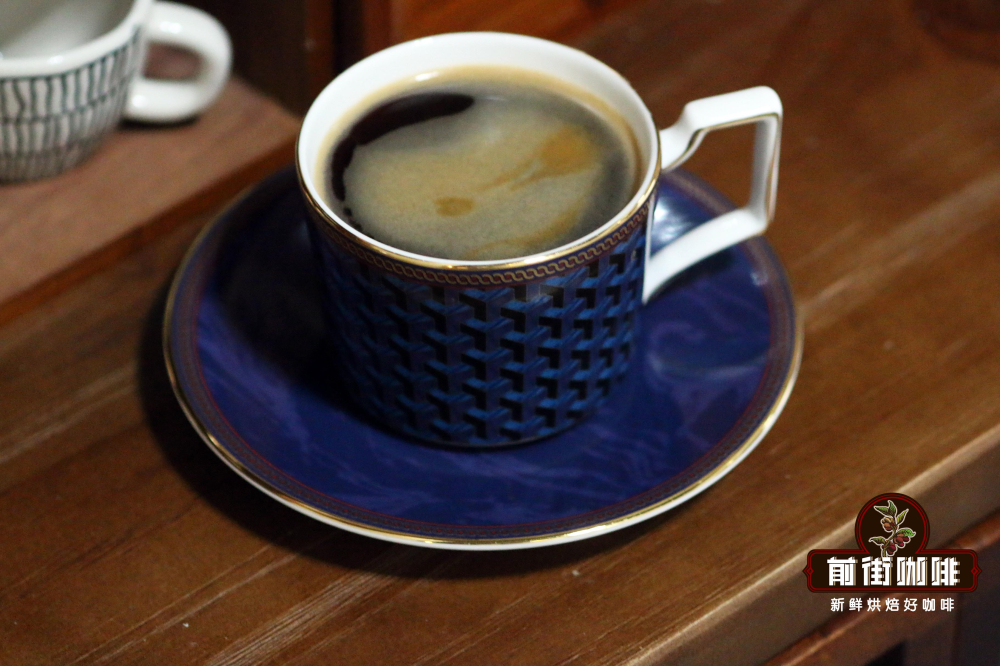
⑦ Dirty
A Dirty is an iced coffee that emphasizes a visual and temperature contrast. It’s made by pouring hot espresso directly over ice-cold milk, creating a distinct layered effect. The key is not to use ice cubes and to serve it in a high-quality glass. To prepare, pour 150 grams of ice-cold milk into the cup, then slowly pour about 40 grams of hot espresso from a height of about 1 cm to allow the two to naturally blend. This coffee is ideal for those seeking a fresh taste and visual experience, and it’s best enjoyed quickly to savor the evolving flavors.Image: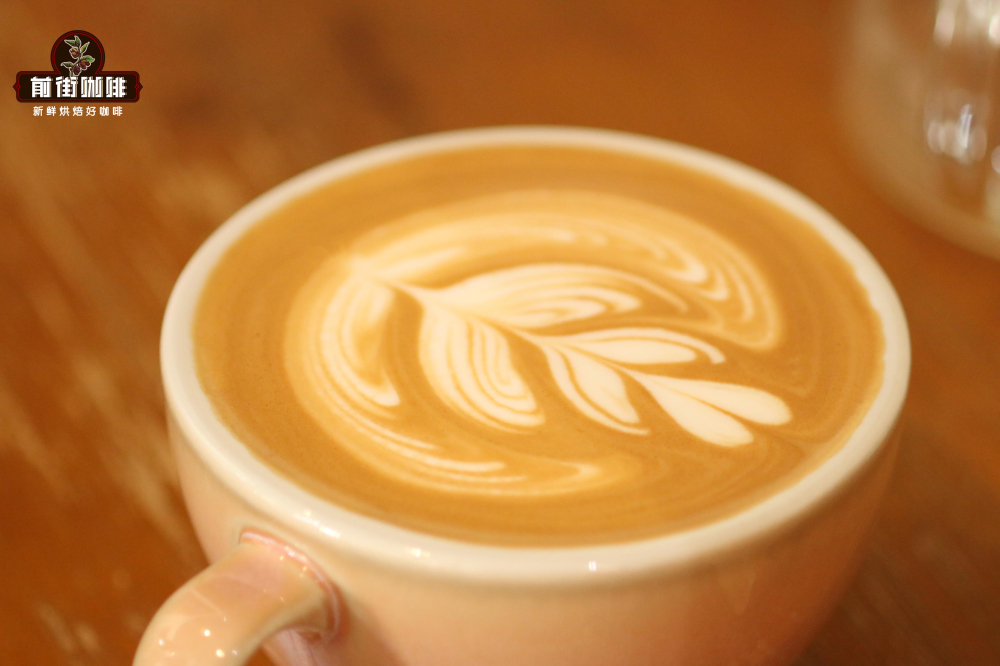
⑧ Macchiato
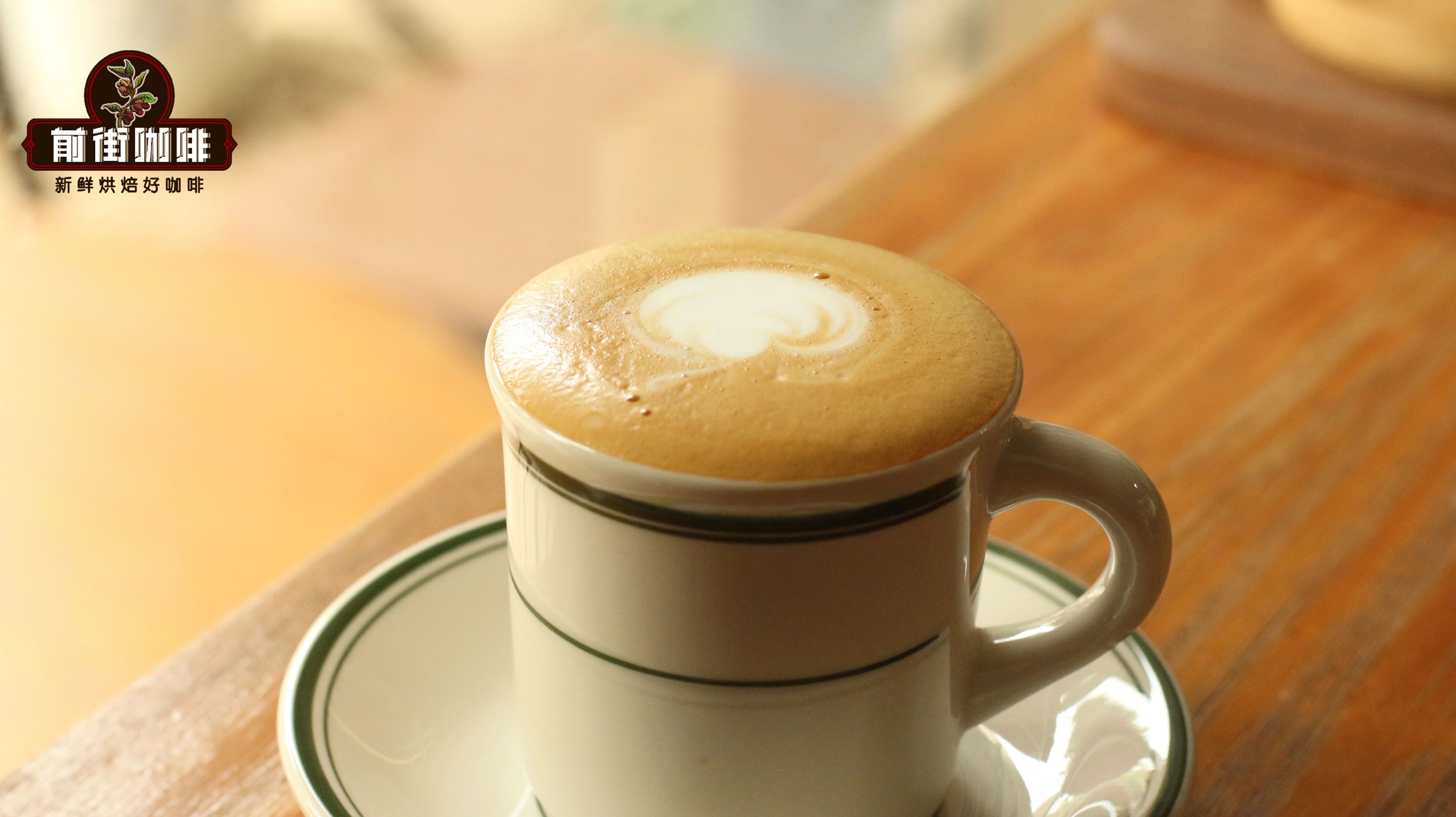
In Italian, "macchiato" means "marked." Traditionally, it refers to an espresso "marked" with a small amount of milk foam. The modern version usually consists of 40 grams of espresso with a spoonful of fine foam. The addition of foam not only changes the appearance but also adds a touch of milk aroma to the strong coffee. This coffee is suitable for those who enjoy espresso but want a slightly milder taste.
⑨ Affogato
An affogato is a creative dessert coffee where espresso is poured over vanilla ice cream, combining the experience of a cold dessert and hot coffee. This drink is especially popular in summer, with the sweetness of the ice cream contrasting beautifully with the bitterness of the coffee. It’s perfect as a dessert or a relaxing treat.
⑩ Caramel Macchiato
Despite the name, caramel macchiato is not related to traditional Italian macchiato. It’s a sweet espresso drink introduced by Starbucks. This beverage is based on 30 ml of espresso, combined with a large amount of milk, vanilla syrup, and caramel sauce, for a total volume of about 355 ml. Its sweet and rich flavor makes it a favorite among dessert lovers, with layers of foam and caramel creating a delightful experience for those who enjoy sweet coffee.Image: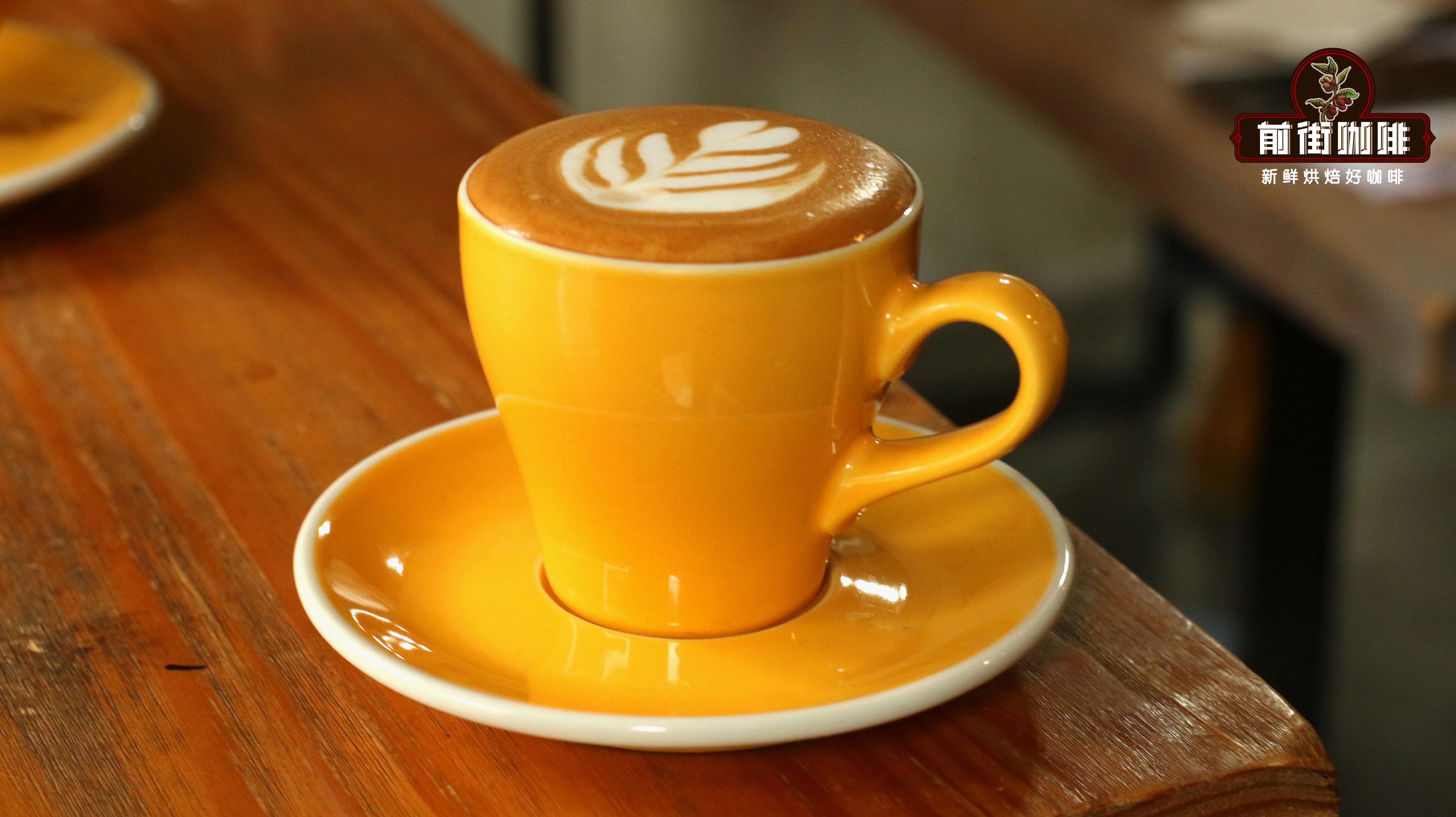
The above content is compiled by CoffeeHunters, a coffee news website.


