







Introduction:Arabica beans have become the top choice for specialty coffee thanks to their unique flavors, but do you know how they adapt to different brewing methods? This article delves into the core differences between Arabica and Robusta, revealing the scientific rationale behind their suitability for espresso, Americano black coffee, lattes, and cold brews. It also explores the impact of high-altitude cultivation on flavor, the stability advantages of blended beans, and the most common extraction mistakes beginners make — helping you choose the right beans and brewing method based on your needs.
In the world of specialty coffee, Arabica beans consistently dominate the market with their delicate flavors and rich layers. But many coffee enthusiasts often wonder: can this renowned aromatic bean truly handle the boldness of espresso, the clarity of Americano, the smoothness of a latte, or even the freshness of cold brew? The answer isn’t absolute — it hinges on understanding how its characteristics align with various brewing methods.
First, let’s clarify the fundamental difference between Arabica and Robusta — the former has 44 chromosomes (Robusta only 22). This genetic advantage enables it to synthesize more complex aromatic compounds, resulting in a unique balance of acidity and sweetness, along with layered complexity. But this high quality comes at a cost: Arabica requires cultivation at altitudes between 800 and 2200 meters,where greater day-night temperature variations lead to slower fruit maturation and more thorough accumulation of flavor compounds.For example, beans grown at elevations above 1500 meters undergo more complete sugar conversion, resulting in brighter acidity — a core trait sought after in specialty coffee.
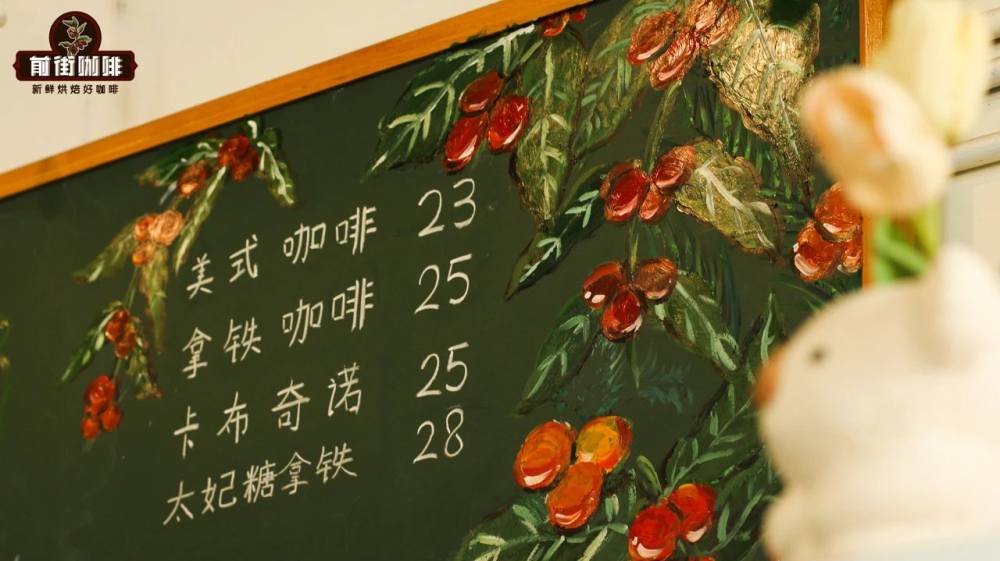
In contrast, Robusta naturally boasts stronger disease and pest resistance as well as yield advantages due to its higher caffeine content (2%-2.7%) and chlorogenic acid levels, but its flavor skews toward intense burnt bitterness and woody notes, with fat content only 40% that of Arabica. This explains why mainstream coffee shops prefer Arabica — especially in pour over, latte, and cold brew applications where flavor nuance matters, as its gentle sweetness and abundant fruit acidity better highlight the essential charm of coffee.
However, if the goal is to produce a bold-style espresso, single-origin light-roasted Arabica may not be the best choice.The high pressure (9–10 Bar) and high temperature (92–96°C) extraction environment of an espresso machine demands beans with sufficient body and the ability to release crema.In such cases, professionally blended espresso beans deliver more stable performance: by combining beans from different origins and roast levels (e.g., medium-dark roasted Brazilian beans providing a rich base, paired with Southeast Asian beans to enhance body), they balance acidity, sweetness, and bitterness while ensuring consistent flavor across each extraction.
Regarding the variety characteristics of Arabica, its origins trace back to the Ethiopian highlands in Africa — initially used as a medicinal plant before being spread globally by Arab traders. Today’s renowned regions such as Ethiopia’s Yirgacheffe (citrus and floral notes), Colombia’s Huila (nutty and caramel tones), and Brazil’s Cerrado (chocolate and stone fruit) all belong to the Arabica species. These regions are mostly located within the “coffee belt” at 25° north and south latitude, influenced by equatorial warm currents, enjoying year-round warmth and humidity combined with high-altitude terrain to form unique microclimates.
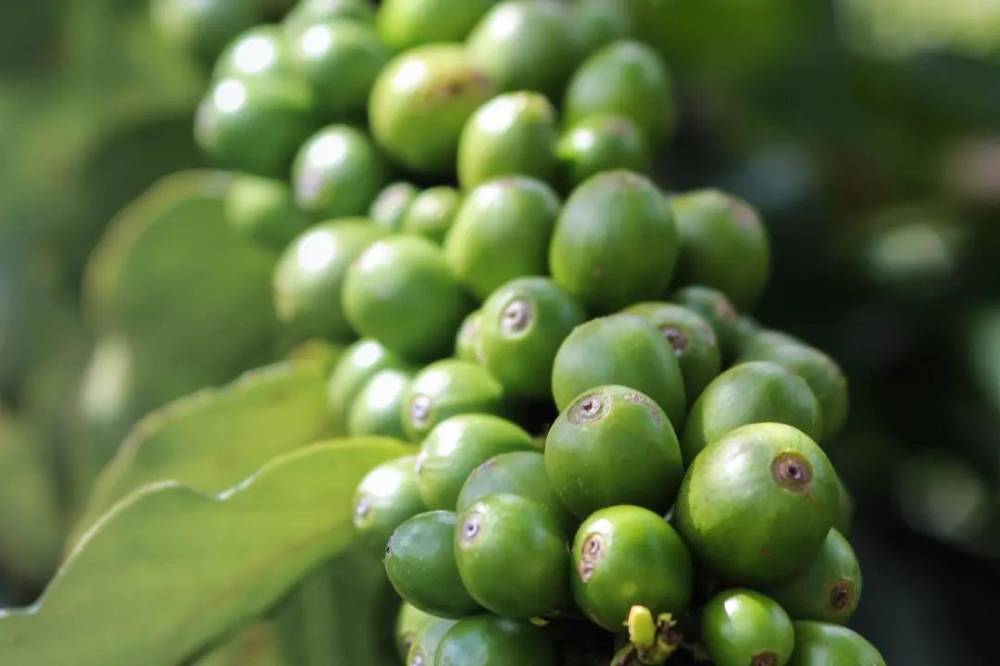
Arabica beans can be identified by appearance: oval-shaped fruits typically contain two flat beans, with a round bean shape, fine narrow S-shaped fissures on the front, and a smooth rounded back. This structure allows for easier release of delicate aromatic compounds during grinding, but it is also highly sensitive to freshness —after roasting, volatile aromatic compounds will significantly degrade beyond two months.Therefore, choosing freshly roasted beans within five days of roasting is a prerequisite for extracting optimal flavors.
If you prefer versatile brewing methods, consider starting with the everyday coffee bean series: featuring washed Yirgacheffe (bright fruit acidity), Monsooned Malabar Mandheling (rich woody notes), and Yunnan small beans (balanced sweetness) from classic regions, suitable for pour over, cold brew, or French press. When brewing, pay attention to grind size (for pour over, medium-fine grind is generally recommended, around 70%-75% passing through a #20 sieve), water temperature (ideally 90–94°C), and coffee-to-water ratio (1:15 to 1:16), and aim to consume within 2–4 weeks post-roast to capture the optimal flavor window.
As for the professional demands of espresso, a classic blend from a certain brand offers a practical solution: composed of medium-dark roasted Brazilian beans (laying a rich foundation), Southeast Asian beans (enhancing viscosity), and a small amount of Robusta (boosting crema and flavor intensity), roasted to a medium-dark level (with sufficient caramelization reactions, balancing bitterness and sweetness). This blend is not only suitable for beginners practicing latte art (the crema displays a bright golden yellow) but also meets the high stability requirements of specialty coffee shops. One key point to note: espresso beans require a finer grind (close to powder, about 30%-35% passing through a #20 sieve) to accommodate high-pressure extraction.
The above content is compiled by CoffeeHunters, a coffee news website.


