







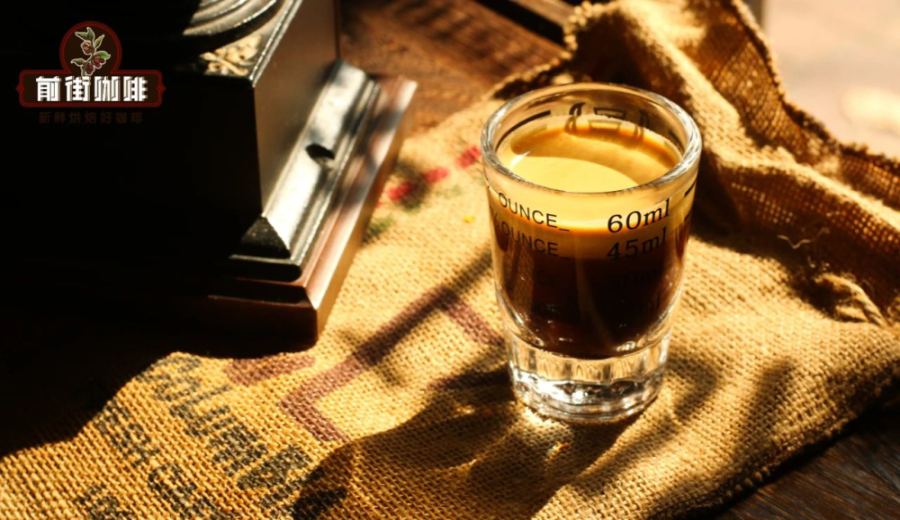
Introduction:To brew a rich and smooth espresso, choosing the right coffee beans is crucial. This article delves into why espresso beans are often medium to dark roasted, how blending techniques affect flavor balance, and the unique advantages of single-origin espresso (SOE) beans. From extraction principles to actual flavor profiles, we’ll guide you through the key points for selecting beans that suit your personal taste.
When selecting coffee beans, you’ll often find “espresso beans” categorized separately. This is closely tied to their brewing method. Espresso requires high-pressure extraction—nine atmospheres—using finely ground beans in just a few seconds, which places specific demands on the roast level and blend composition. Understanding these factors is essential to finding beans with balanced flavor and a rich crema.
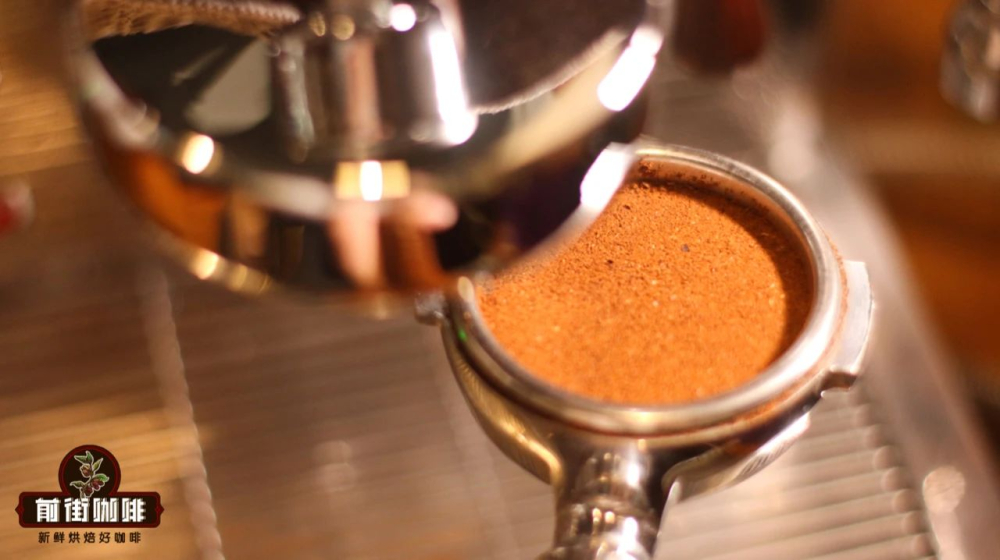
Why are coffee beans commonly divided into “espresso-specific” and “other types”? This classification mainly stems from the brewing method. To make a standard espresso, you need a professional espresso machine to extract finely ground coffee at 9 bar pressure. The high temperature and pressure rapidly release the coffee’s flavor compounds while forming a golden layer of crema. However, this method can also amplify the bean’s inherent flaws, making bean selection and roasting especially important.
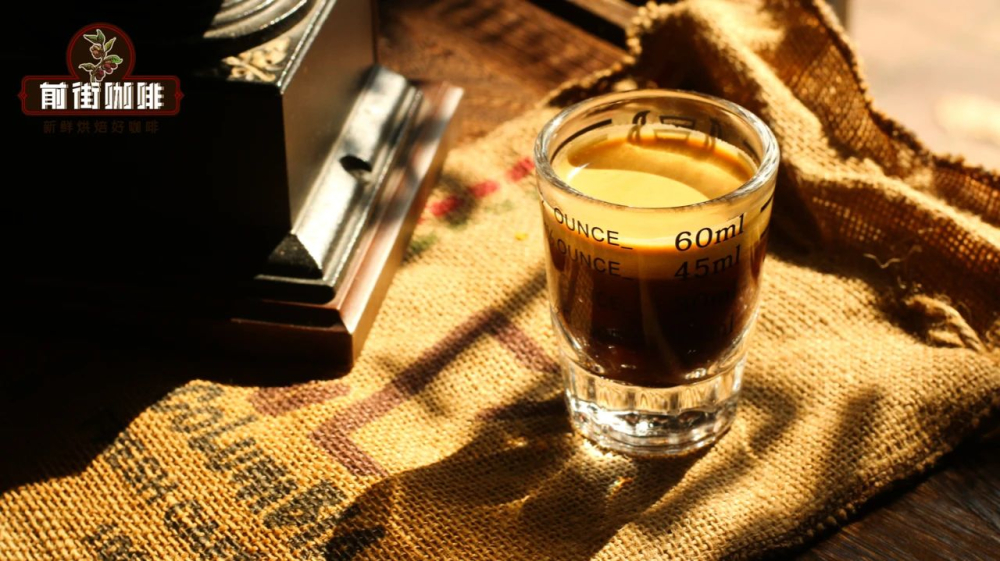
Generally, espresso prefers medium to dark roasts. While light roasts boast bright acidity and fruity or floral notes, they can taste overly sour or even astringent under high-pressure extraction; overly dark roasts may introduce excessive bitterness or smokiness. Therefore,medium to dark roastinghas become the preferred choice for most espresso beans, striking a balance between bitterness and sweetness while highlighting layers of caramel, nuts, and dark chocolate.
Beyond roast level, blending is also key to shaping espresso flavor. Blends typically combine beans from two or more regions, often in ratios of two to six types. But too many components can blur individual characteristics. It’s recommended to maintain a clear primary and secondary structure—for example, using one bean as the base (around 60–70%) and others to add complexity. Adjusting the proportion of the main bean can control whether the overall flavor is focused or layered: the more base bean, the purer the flavor; the less, the more diverse and rich.
Here are several common espresso blends and their flavor profiles: First, a mix of Brazilian, Indonesian Mandheling, and Vietnamese beans—this type of blend often delivers intense caramel aroma and a robust nutty character, with rich crema and a sweet aftertaste. Another common combination is Yunnan AA and Brazilian beans, offering mild acidity, smooth mouthfeel, and moderate sweetness, resulting in a gentler overall flavor suitable for everyday drinking. Additionally, blends combining Costa Rican, Colombian, and Ethiopian beans may showcase notes of strawberry candy, grapes, and rose, with low bitterness and a long-lasting sweet finish, ideal for those who prefer fruity profiles.
If you value distinct regional flavors, single-origin espresso (SOE) beans are another great option. These beans come from a single region or farm, directly reflecting the terroir and processing methods. For example, Brazilian SOEs often have aromas of cream, peanuts, and nuts, paired with soft cane sugar sweetness and mild acidity; SOEs from Papua New Guinea may present complex flavors of toasted bread, citrus, and cocoa, with well-balanced acidity and sweetness. Some Costa Rican SOEs, such as those famous for honey processing, might feature layers of osmanthus, pineapple, raisins, and nuts, offering a unique and memorable flavor.
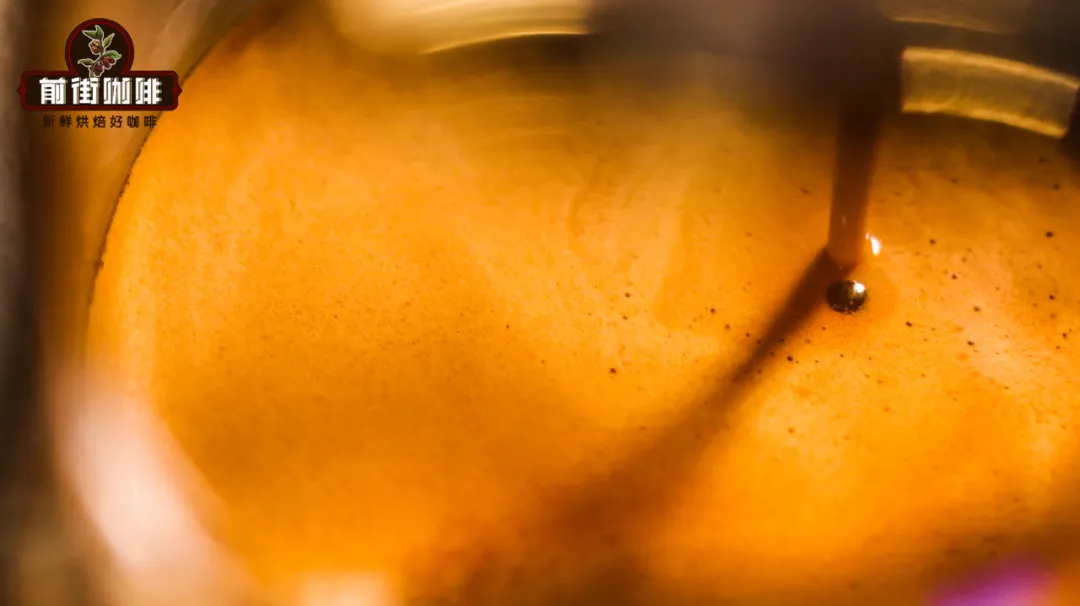
In summary, when choosing espresso beans, consider the roast level, blend ratio, and whether to opt for single-origin beans. Medium to dark roasting ensures extraction stability and flavor balance, well-considered blends can enhance complexity and aroma, while SOEs let you experience the distinct character of a single region. Whether you’re after a rich and balanced cup or vivid terroir expression, understanding these key elements will help you find the beans that best suit your taste.
The above content is compiled by CoffeeHunters, a coffee news website.


