








Introduction:The bitterness or richness of espresso often hinges on the precision of extraction details. This article delves into the principles and practical operations behind making espresso, starting with the evolution of early machines, then guiding you through the fundamental parameter settings of modern extraction equipment. It further explores nine key variables—including dose, water pressure, water temperature, grind size, tamp, extraction time, and crema—explaining their impact on flavor to help you adjust and craft the perfect espresso tailored to your taste.
Have you ever taken a sip of espresso only to be hit by overwhelming bitterness? This is likely due to some details being mishandled during extraction. This article will take you from the historical origins of espresso, through understanding the basic workings of modern espresso machines, and via detailed analysis of nine key variables, to help you grasp the technical core of brewing an ideal shot.

As early as around 1901, with advancements from the European Industrial Revolution, the first commercial espresso machine was born. Italian inventor Luigi Bezzera designed a machine equipped with multiple independent group heads and secured a patent. Users simply had to attach a handle filled with coffee grounds to the group head to quickly produce coffee. In 1905, Desiderio Pavoni acquired the patent and launched the first commercial espresso machine—the Ideale.
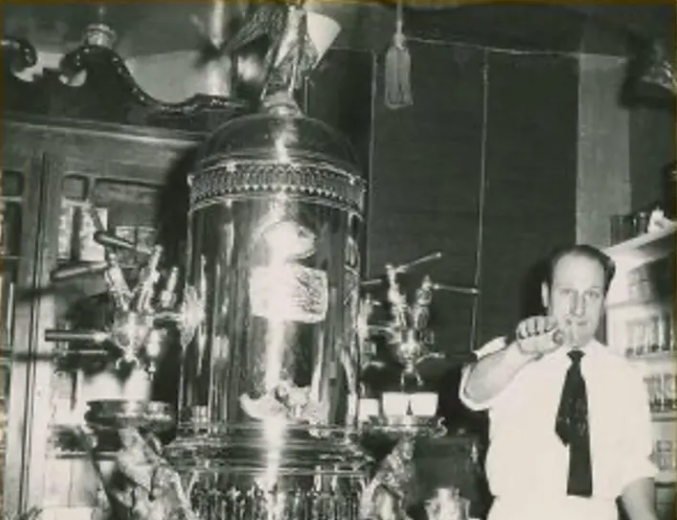
Notably, the extraction conditions of this early machine differed greatly from today’s: water temperatures reached up to 140°C, pressure was only 7.5 bar, and extraction took about 45 seconds. In contrast, modern standard espresso typically uses water heated to around 92°C and is extracted under high pressure of 9 bar—key to forming the captivating crema on the surface. The resulting brew back then tasted more akin to today’s drip coffee than the rich, intense espresso we know.
The term “espresso” was officially included in the Italian dictionary around 1920, defined as “a concentrated coffee made using pressurized equipment, now widely popular.” With continuous technological evolution, espresso has gradually become a significant symbol of global coffee culture.
Moving into the mid-20th century, espresso machine technology saw another major breakthrough. In 1947, manual pressurization designs allowed for more complete extraction of coffee oils and emulsions, making the espresso crema layer the soul of its flavor and appearance. The 1961 debut of the Faema E61 is regarded as the precursor to the modern semi-automatic espresso machine and laid the foundation for contemporary espresso.
Next, we’ll analyze how to brew a standard espresso from a practical perspective. Using the Lelite V3 machine as an example, this article outlines the full process from equipment parameters to operational steps.
The standard extraction parameters for this machine are as follows: water temperature controlled between 90.5–96°C, extraction time recommended at 25–33 seconds, and a coffee-to-water ratio generally set between 1:1.7 and 1:2. A single shot typically uses 20 grams of coffee grounds, yielding about 20 milliliters; for a double shot, the yield is 40 milliliters.
First comes the dosing step. Start the grinder, then pour the freshly ground coffee into the portafilter basket. It’s advised to determine the dose based on the basket’s capacity—for instance, using 20 grams as the standard, you should precisely control each dose to 20 grams (preferably using a scale accurate to 0.1 gram).
The second step is distribution. This involves evenly spreading the ground coffee in the basket—not just leveling the surface but ensuring there are no noticeable gaps along the edges or inside the basket, which helps ensure uniformity in tamping and extraction.
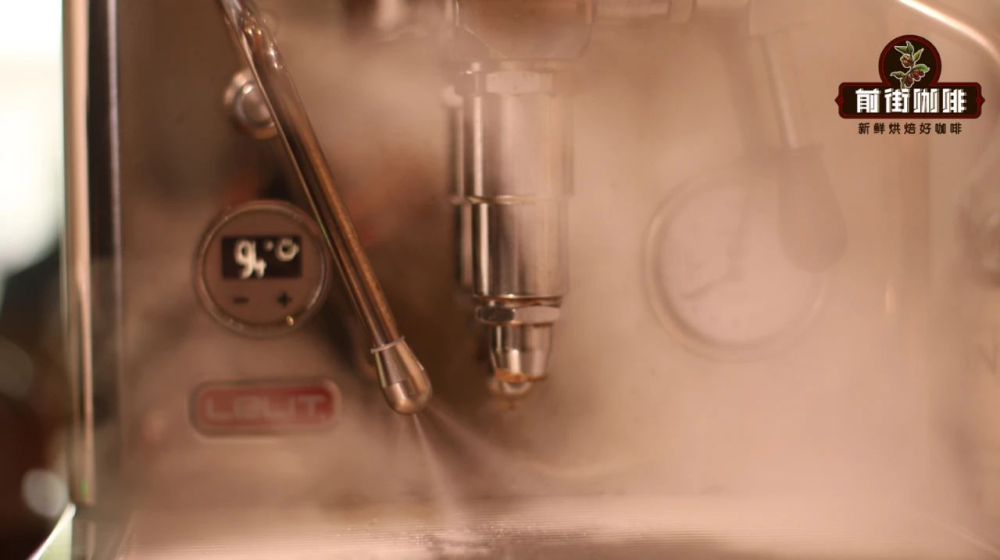
Then, attach the portafilter and begin extraction. Though the action may seem simple, it actually involves nine key variables, each directly influencing the final coffee flavor.
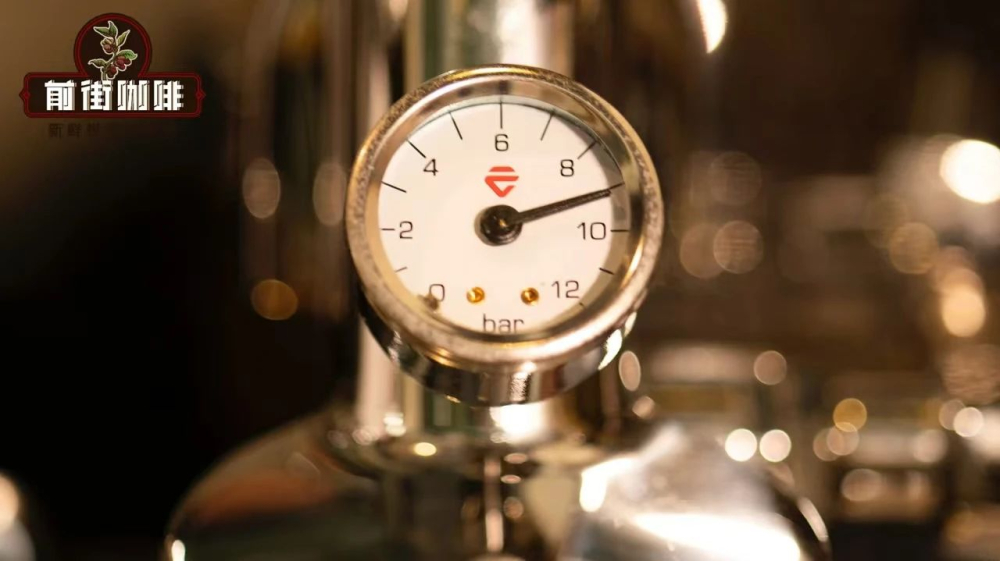
First is water pressure. The ideal extraction pressure is 9 bar, which is the industry-standard pressure recognized for effectively extracting the rich flavors and aromas of coffee.
Next is boiler pressure. This parameter affects water temperature and steam strength; it’s generally recommended to maintain it around 1 bar, though actual values may slightly vary depending on the machine model and usage needs, and there’s still much discussion within the industry on this.
Water temperature settings should be adjusted according to the type and roast level of the coffee beans used; the suggested range is usually between 90–92°C, with fine-tuning possible based on personal taste.
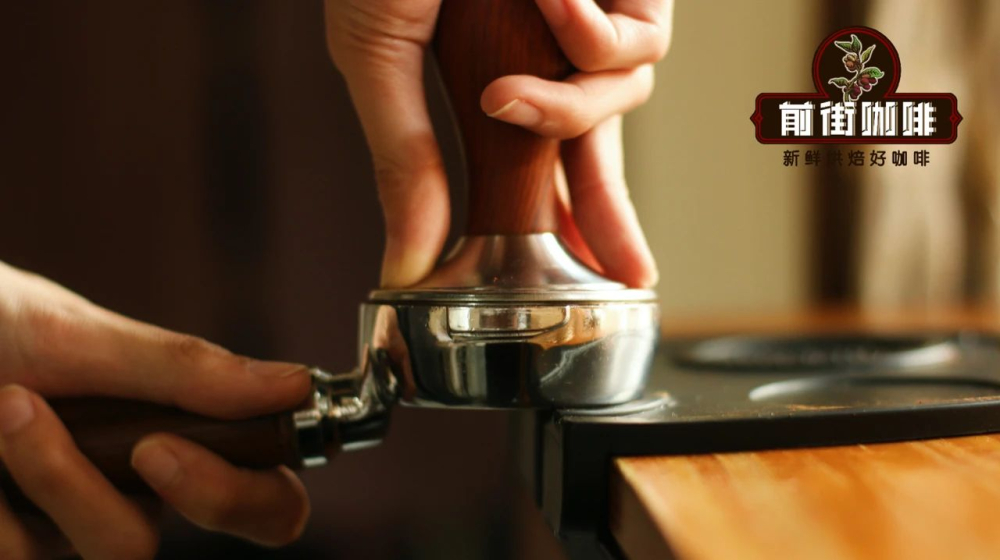
Tamping pressure is also a crucial factor in extraction. While everyone’s tamping method may differ, it’s generally advised to use a stable and consistent pressure—for example, utilizing a calibrated tamper—to ensure the tamp force is around the standard of approximately 25 kg/m².
As for grind size, it must be adjusted based on multiple factors including bean roast level, freshness, ambient humidity, and grinder condition. The industry often says: “The correct grind size is always changing; what’s wrong is keeping it static.”
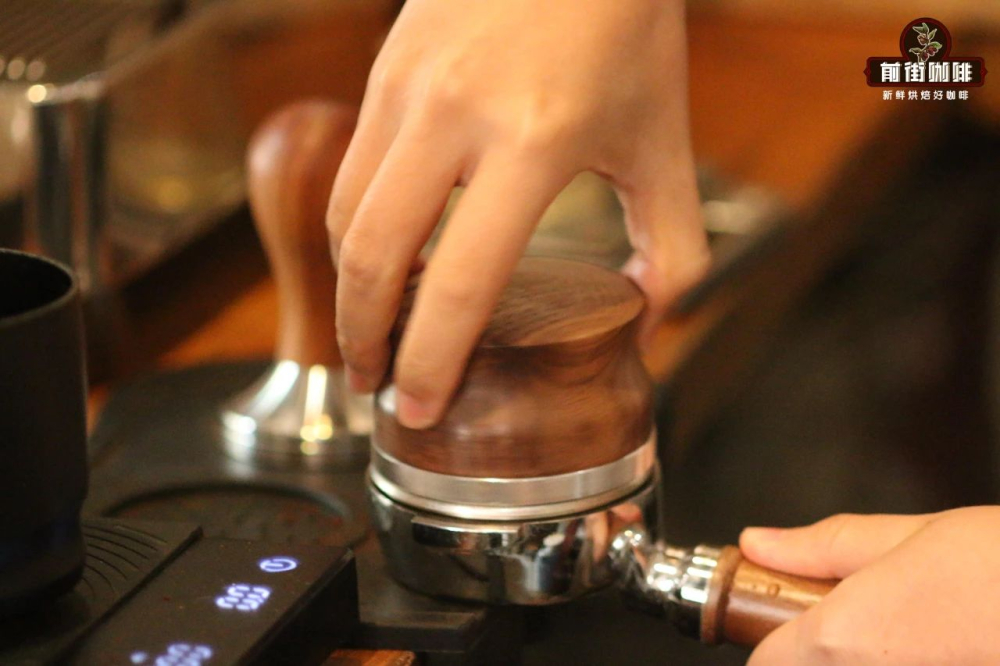
Dose control is equally vital. Too little coffee may result in under-extraction; too much may cause over-extraction due to restricted water flow. For a basket designed for 20 grams, avoid exceeding its intended capacity.
The recommended extraction time range is 25–28 seconds, but it can be influenced by a combination of tamping, dose, and grind size, so adjustments based on actual conditions are advised.
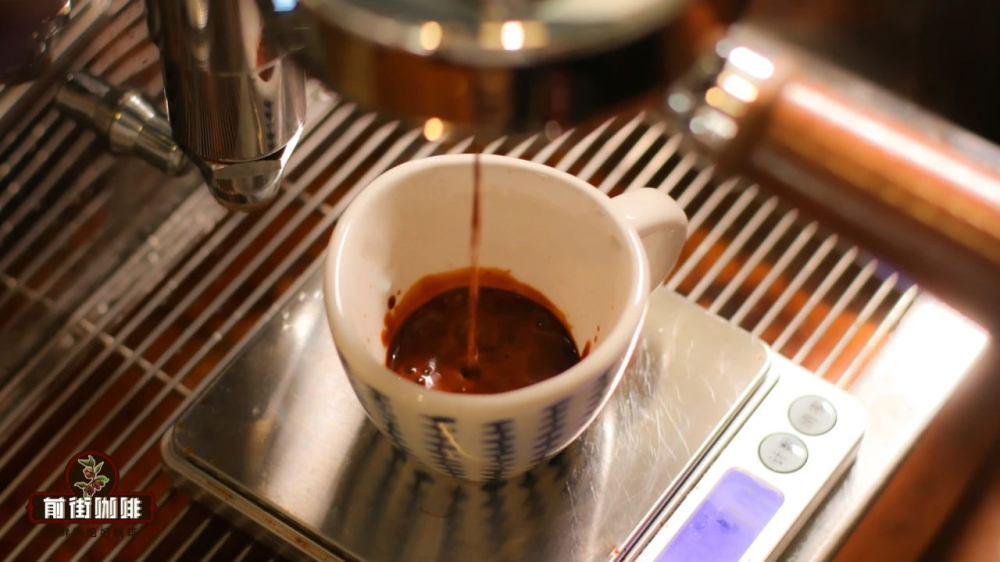
For extraction yield, a common coffee-to-water ratio is 1:2—that is, 20 grams of coffee grounds yielding 40 milliliters of espresso. If the yield is too high, the flavor may become diluted; if too low, it may turn overly intense and lack complexity.
Lastly, we must not overlook the state of the crema. A golden-to-light-brown, fine, and persistent crema is not only the hallmark of a good espresso but also reflects the bean’s freshness, roast level, and overall extraction quality. Thus, observing the crema is also a key basis for evaluating whether an espresso has been successfully brewed.
The above content is compiled by CoffeeHunters, a coffee news website.


