







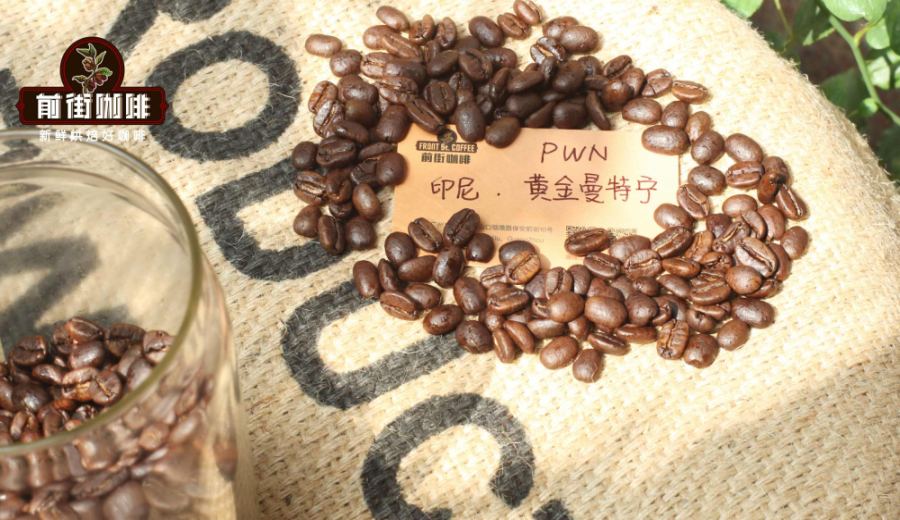
Introduction:Want to understand the differences among top-tier Sumatran Mandheling coffees? This article provides an in-depth analysis of the grade standards, origin characteristics, and flavor profiles of PWN Mandheling G1 and Golden Mandheling. From defect ratios and sorting processes to recommended brewing methods, it helps you find the Mandheling beans that best suit your taste preferences and budget.
The name "Mandheling" actually stems from an interesting misunderstanding during World War II. It is said that a Japanese soldier, while tasting a richly aromatic coffee at a café in Sumatra, asked the shop owner, "What kind of coffee is this?" The owner misunderstood the question as being about his ethnicity and casually replied, "Mandailing tribe." When the soldier returned home, he still remembered the delicious coffee and had it imported through a broker under the name "Mandheling." To his surprise, it became hugely popular in Japan, and the name stuck. That broker was none other than the now-renowned Indonesian PWN (Pwani Coffee Company), the holder of the Golden Mandheling trademark.
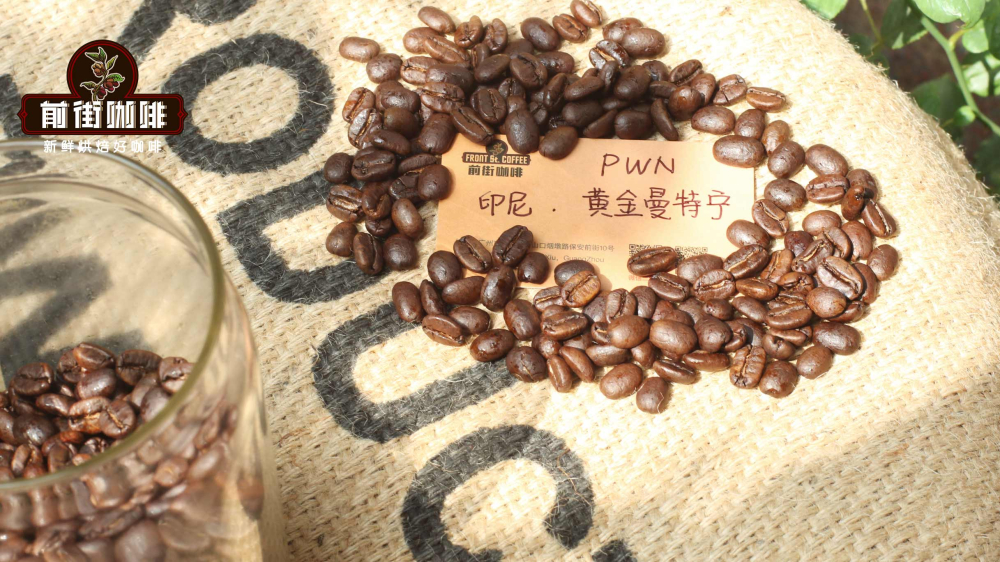
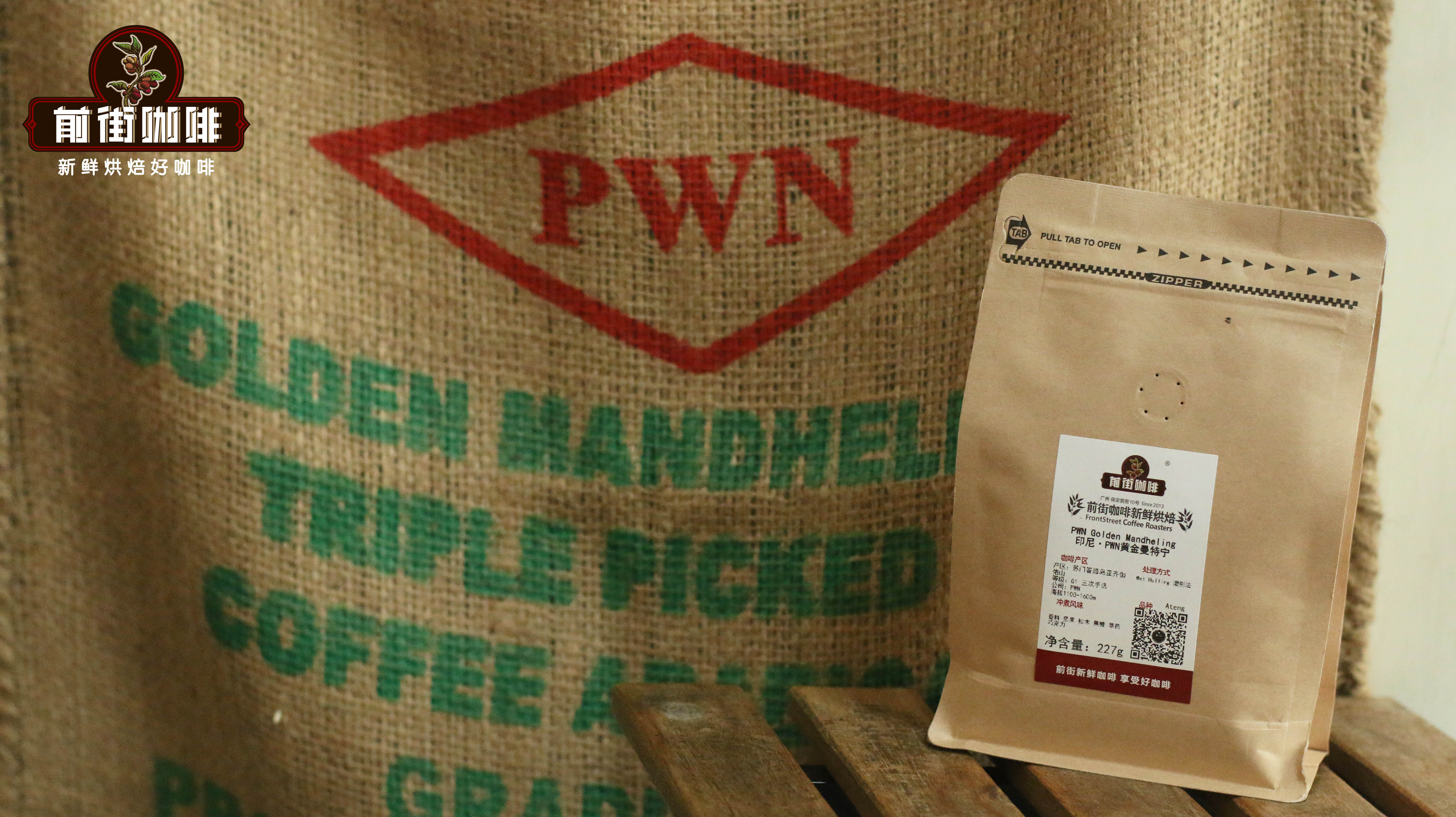
PWN’s Mandheling G1 is an exceptionally high-grade coffee specifically tailored for the Japanese market. Within Indonesia’s coffee grading system, G1 is the highest grade for washed beans, with strict control over the number of defective beans.In a 300-gram sample, no more than 3 defects are allowed.This is far lower than the standards of other grades. This grade is not commonly found on the market but was originally established to meet the demands of Japanese trading companies. It has since become one of the benchmarks for high-end Mandheling.
In comparison, Golden Mandheling follows even stricter selection criteria, requiringfour rounds of manual sorting,not only to eliminate defective beans but also to ensure uniform bean size, color consistency, and overall appearance. As a result, the annual production of Golden Mandheling is extremely limited,less than 1 ton,making it highly rare in the market and relatively expensive—sometimes even approaching the prices of high-altitude specialty beans like Blue Mountain.
So, what exactly differentiates PWN Mandheling G1 from Golden Mandheling? First, G1 is the top grade of washed Indonesian beans, emphasizing defect control and overall quality, making it ideal for coffee enthusiasts who value stable flavor profiles. Golden Mandheling, on the other hand, goes a step further with multiple rounds of manual sorting to ensure both the appearance and internal quality of each bean meet higher standards. There are also noticeable flavor differences between the two: G1 retains Sumatra’s signature herbal, earthy, and full-bodied richness, with low acidity but a pronounced aftertaste; Golden Mandheling, due to its finer sorting, has fewer off-flavors, a more prominent sweetness, and allows for easier extraction of caramel and stone fruit notes.
Both beans originate from the high-altitude regions around Lintong and Lake Toba in north-central Sumatra, at elevations of approximately 900 to 1200 meters. The region’s humid climate employs unique semi-washed or three-stage drying methods, where the coffee pulp is removed before the moisture content fully decreases to prevent excessive fermentation and undesirable odors. This processing method contributes to Mandheling’s characteristic low acidity, high body, and rich herbal and woody aromas.
In terms of roasting and brewing recommendations, G1 and Golden Mandheling each have their optimal performance ranges. Generally, Lintong Mandheling is recommended to be roasted until just after the second crack, which helps reduce off-flavors and highlight a full-bodied taste. Golden Mandheling, with its more consistent quality,performs well both just before and after the second crack,showcasing sweetness while maintaining clear layers. It is suitable for various brewing methods such as pour over, French press, or siphon, making it a challenging yet rewarding choice for coffee enthusiasts looking to explore the multifaceted flavors of Mandheling.
In summary, if you’re seeking the classic Sumatran Mandheling richness and herbal character at a more affordable price, PWN Mandheling G1 is an excellent representative choice. But if you prioritize ultimate purity, consistent appearance, and brighter sweet notes, then Golden Mandheling is undoubtedly the more refined premium option. Understanding the differences between the two can help you make a more informed decision based on your personal taste and needs.
The above content is compiled by CoffeeHunters, a coffee news website.


