







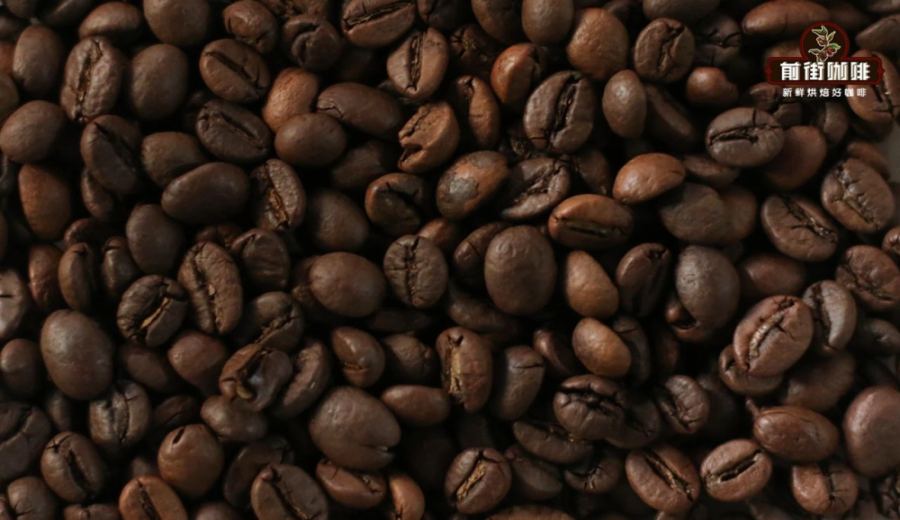
Introduction:Robusta coffee beans, known for their high caffeine content and unique flavor profile, are commonly used in espresso blends and instant coffee. Many wonder if they can aid in fat loss. This article delves into the characteristics of Robusta beans, their chlorogenic acid and caffeine content, explores the flavor transformation after dark roasting, and explains the scientific basis and practical drinking suggestions for black coffee aiding in weight loss—helping you enjoy coffee more wisely.
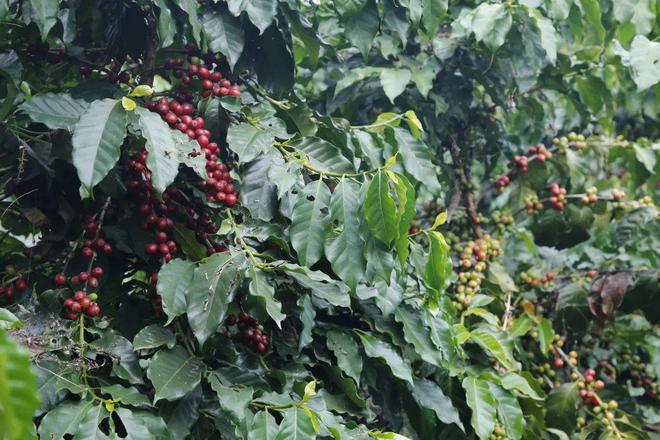
Among the many coffee varieties, Robusta (commonly referred to as "R-dou") and Arabica are recognized as the two main global coffee species. Robusta is famed for its bold, bitter, and full-bodied taste, often used in dark roasts or as the primary ingredient in instant coffee. Compared to Arabica, Robusta has stronger environmental adaptability, thriving in low-altitude, high-temperature, or humid regions, resulting in lower cultivation costs and more competitive pricing.
In terms of composition, the caffeine content of Robusta generally ranges between 2.7% to 4%, nearly double that of Arabica. This high concentration of caffeine serves as a natural defense mechanism for the plant, helping to ward off pest attacks. Additionally, Robusta exhibits strong tolerance to various extreme climates, yields high output per plant, and is relatively easy to manage, making it an ideal choice for commercial large-scale production.
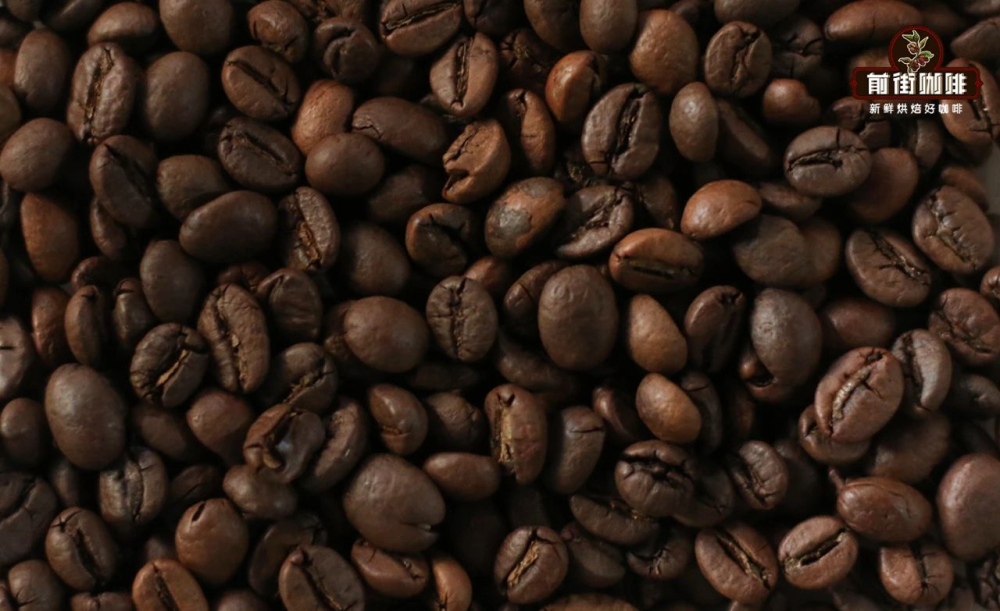
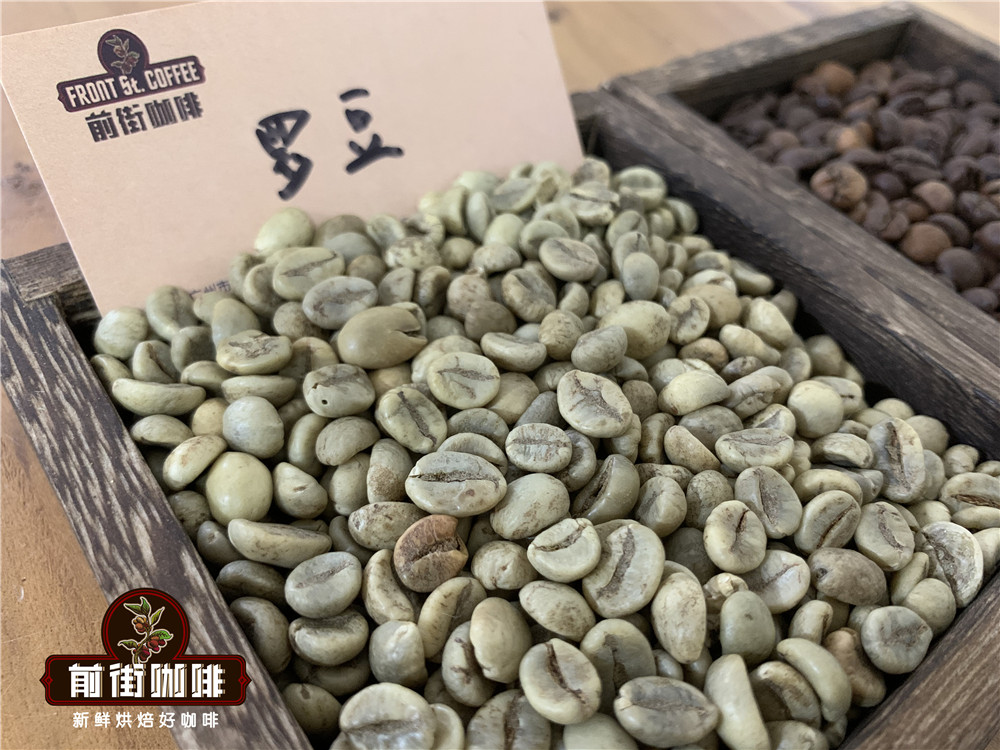
Beyond caffeine, Robusta green beans also contain relatively higher levels of chlorogenic acid but lower sucrose content. Chlorogenic acid is not only one of the sources of coffee’s bitterness but also contributes to its rich, deep-bodied flavor, with complex notes reminiscent of nuts, grains, and barley tea. However, improper processing may also produce unpleasant flavors akin to earthiness or rubber. As a result, roasters often employ dark roasting methods to transform its flavor profile, which is also the main reason why single-origin Robusta beans are rarely sold on the market.
When brewed, especially as espresso, dark-roasted Robusta beans release a significant amount of gases and rich oils, creating a bold mouthfeel and intense coffee aroma. This characteristic makes it highly favored in Italy, where many cafés incorporate a certain proportion of Robusta into their espresso blends to enhance the coffee’s “intensity” and crema layer.
Robusta beans are also commonly found in some commercial blends. For instance, certain blends add small amounts of high-quality Robusta to improve crema performance and flavor stability, resulting in cost-effective, commercial-grade espresso beans. These blends are suitable not only for professional coffee shops but also cater to consumers seeking consistent flavor and a strong, bold taste.
Additionally, the classic "Mamba" blend also contains a small percentage of Robusta. Such blends are compatible with various brewing methods, including espresso machines, moka pots, and American drip brewers. The resulting black coffee typically features a rich crema and offers complex aromas of dark chocolate, nuts, caramel, and butter—ideal for those who enjoy bold, dark-roast black coffee.
If you don’t have a grinder at home, consider using a grinding service. However, once coffee beans are ground, their volatile aromatic compounds will dissipate quickly. It’s recommended to consume the coffee soon after grinding to avoid flavor degradation or the development of woody off-notes due to prolonged storage. To ensure customers enjoy coffee at its peak flavor, many suppliers only ship freshly roasted beans within five days of roasting to preserve the fullest aroma and taste.
When it comes to fat loss, black coffee can indeed offer some support. Moderate consumption of black coffee can help boost metabolism and increase the body’s calorie-burning efficiency. Meanwhile, caffeine can also stimulate intestinal motility, providing a mild laxative effect and helping eliminate excess body water to reduce bloating. However, these benefits do not mean coffee can be consumed without restraint.
Excessive caffeine intake may lead to overstimulation of the central nervous system, which can negatively impact sleep quality, or even trigger anxiety or mood instability. Moreover, excessive caffeine and acidic substances may also stimulate gastric acid secretion, placing a burden on the stomach lining. It is generally recommended to limit daily caffeine intake to 2 to 3 cups (each cup approximately 150 milliliters), avoiding consumption on an empty stomach or too late in the evening.
If the goal is to use coffee to assist with fat loss, it is recommended to drink black coffee about half an hour before exercising. Research shows that blood fatty acid concentrations peak at this time, and combining it with exercise can more effectively promote fat breakdown and improve fat-loss efficiency. Therefore, mastering the correct timing and amount of consumption is key to making black coffee a helpful, rather than burdensome, part of your weight loss plan.
The above content is compiled by CoffeeHunters, a coffee news website.


