







Introduction:Drip bags are a convenient solution for many busy professionals to enjoy specialty coffee, but many still wonder whether they count as black coffee. This article provides a detailed analysis of the essence of drip bags, offers the correct brewing steps and key parameters, and teaches you how to assess the freshness of a drip bag based on roast date, crema performance, and flavor complexity. At the end, we’ve also compiled five drip bags with distinct flavor profiles to help you make a choice based on your personal preferences.
For office workers who don’t have a grinder but still want to enjoy high-quality coffee, drip bags are an excellent option that balances convenience and flavor. However, many still have questions: do drip bags really count as black coffee? What is the correct way to brew them? And how can we tell if a drip bag is still fresh and flavorful? This article will start with the basic principles of drip bags, guide you through the complete brewing process—including bloom time, pouring techniques, and coffee-to-water ratio—and further share how to evaluate the freshness of a drip bag by looking at the roast date, the crema during brewing, and the actual drinking experience. Additionally, we’ve handpicked five drip bags with unique flavor characteristics at the end for coffee lovers with different taste preferences.
Nowadays, it’s common to see various types of coffee on the desks of modern office workers—whether it’s instant coffee, freshly ground coffee, or coffee delivered directly. Among them, there is also a group of consumers who, despite not having grinding equipment at home, still hope to enjoy quality specialty coffee every day, so they opt for pre-ground and pre-packaged drip bags. So, do drip bags count as black coffee? And how should they be brewed correctly?
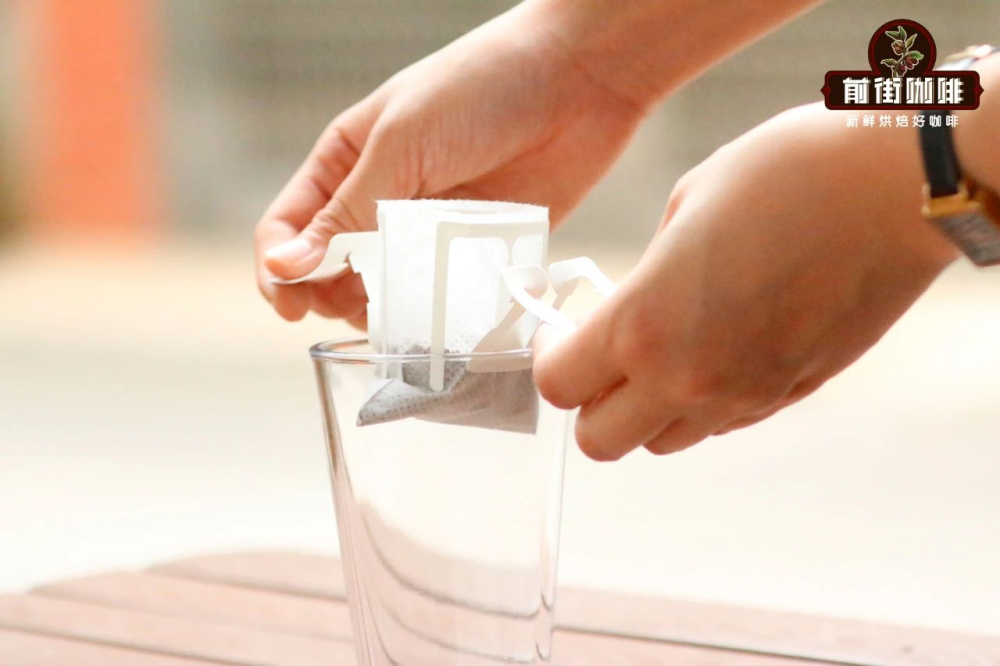
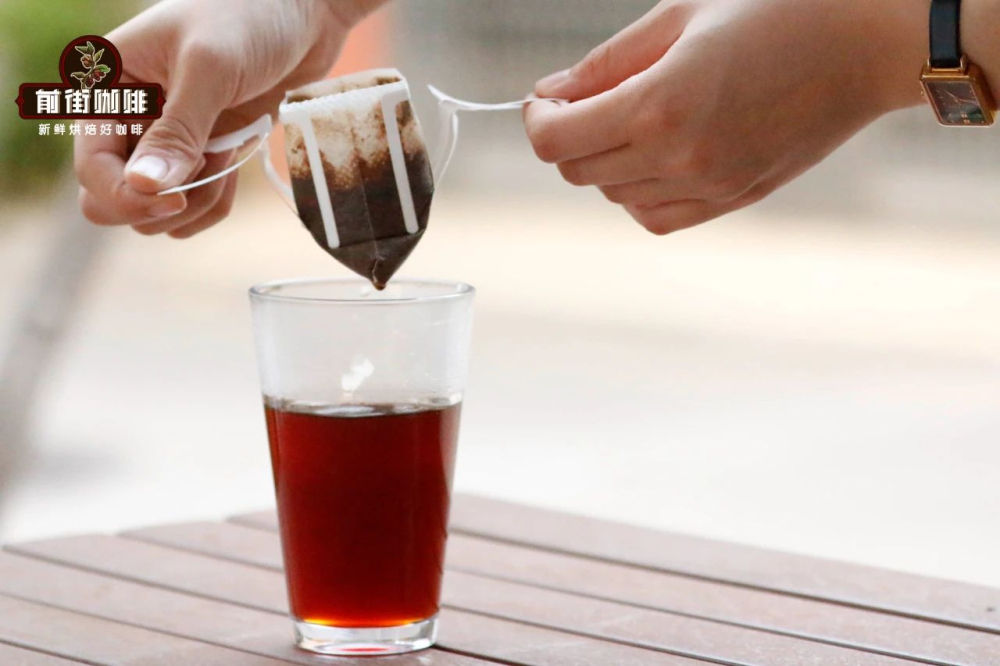
The concept of drip bags is inspired by the pour over method. During production, coffee beans are pre-ground and packed into small pouches with two “ear”-shaped filter bags. To drink, simply tear open the outer packaging, hang the two “ears” on the edge of the cup, and pour hot water at the appropriate temperature to extract the coffee—enjoying a pure black coffee without any sugar or milk.
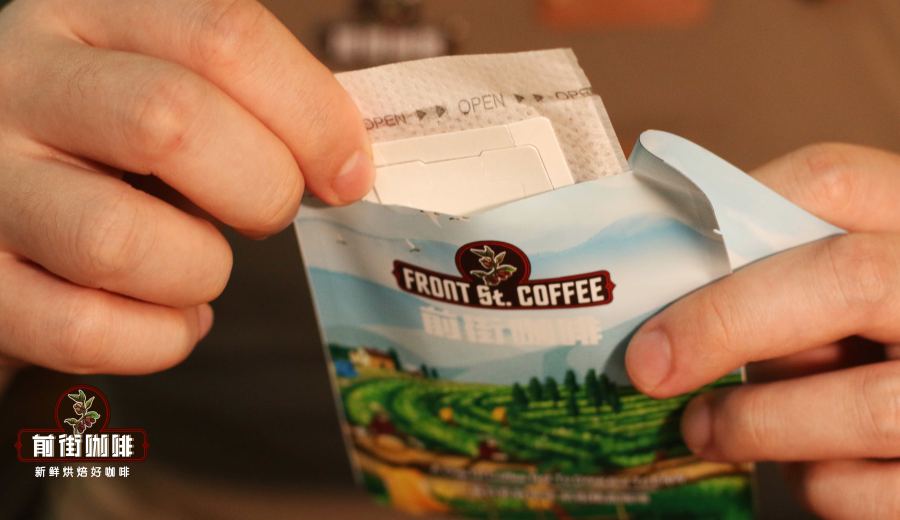
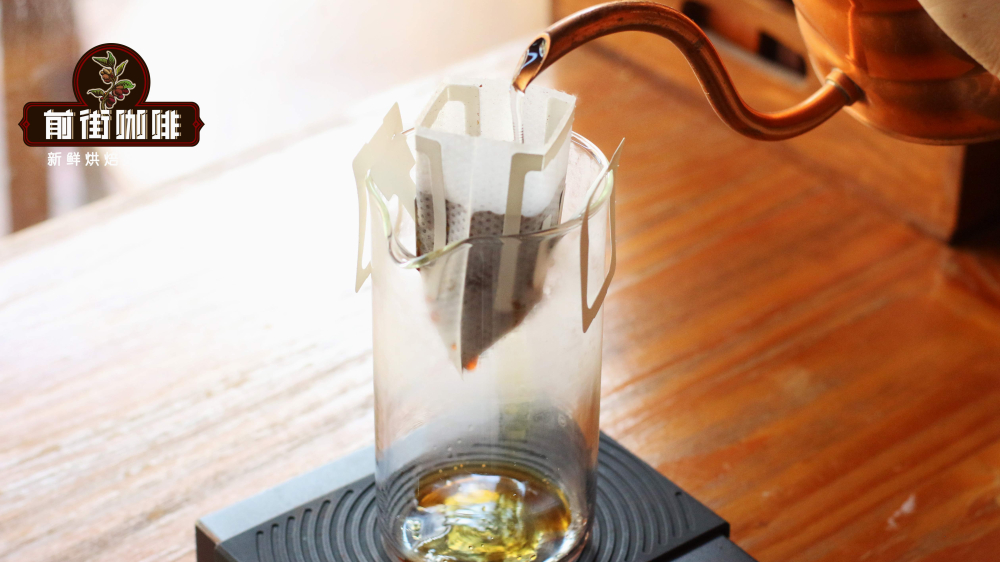
In practice, first, tear open the outer packaging of the drip bag, then open the seal along the marked “OPEN” area. Next, hang the ear-like structures on the rim of the cup, ensuring the filter bag is stable and not touching the cup wall to avoid affecting the flavor. Then, slowly pour a small amount of hot water to fully wet the coffee grounds—this step is called “blooming,” and the recommended blooming time is about30 seconds, which helps release the coffee’s aroma and volatile compounds. After blooming, you can begin the main extraction by using acircular pouringmethod, maintaining an overall coffee-to-water ratio of around1:151:15

, meaning 1 gram of coffee to 15 milliliters of water. Once all the coffee has dripped through, remove and discard the drip bag, and your freshly brewed drip coffee is ready.
But do you know how to tell if a drip bag is still fresh? Here are three practical methods to help you judge:First, check theroast date. Most drip bags will indicate the roast completion date on the back of the packaging. Generally speaking, if the roast date is within10 daysof the current date, the drip bag is still in its optimal flavor window and has a longer enjoyment period; however, if it exceeds30 days
, its flavor and aroma often start to decline noticeably, and freshness is greatly compromised.Second, observe thecrema performance during brewing
. During the roasting process, coffee beans accumulate a large amount of carbon dioxide, which is released upon contact with hot water, forming bubbles. Therefore, after the initial pouring, if you notice fine bubbles emerging from the coffee grounds, it usually indicates that the drip bag is still relatively fresh; conversely, if the coffee bed remains completely still with no bubbles, it may mean the coffee has been stored for some time and its freshness is questionable.Third, and most directly, is throughactual tasting
. Fresh drip coffee typically has a rich aroma profile, bright and balanced acidity, and clear flavors; whereas drip bags that have been stored for too long tend to lose their aroma and may develop woody or rancid notes, with an overall dull and uninteresting taste.
If you’re looking for drip coffee with high freshness and outstanding flavor, it’s recommended to choose brands that prioritize roast freshness and quality control. Some well-known roasters insist on completing roasting and shipping within a short timeframe to ensure each drip bag delivers its best flavor and can reach consumers quickly, allowing you to enjoy a pour over-like refined experience at home.
① Here are several drip bags with distinctive flavor profiles for you to choose from based on your personal preference:Floral Profile
② : Sourced from the Boquete region of Panama, grown at an altitude of about 1600 meters, processed with the washed method, and includes varieties such as Geisha, Caturra, and Catuai. Its flavor profile features pronounced floral notes, black tea tones, accompanied by berry and citrus aromas, with a mild nutty finish. The overall mouthfeel is smooth, with balanced acidity and gentle bitterness, and a medium-length aftertaste.Tea-like Profile
③ : From the Gedeo Zone of Yirgacheffe, with altitudes ranging from 1900 to 2300 meters, processed with the heirloom variety using the washed method. This coffee has a solid body, with prominent fermentation scents and tropical fruit notes. As the temperature changes, you can detect berry and creamy flavors, while the aftertaste lingers with citrus and sweet-sour notes.Fruity & Intense Profile
④ : From the Mirasu Estate in the Tarrazú region of Costa Rica, grown at an altitude of about 1700 meters, using the raisin honey processing method, with varieties including Geisha, ET47, SL28, and MACIO. Its flavor features distinct dried fruit fermentation notes, jasmine floral notes, and soft fruit acidity, with an almond sweetness in the finish. The overall sweetness is prominent.Fermented Profile
⑤ : From the Frontera Estate in the Huila region of Colombia, grown at 1700 meters, with the variety Sidra, processed using a double anaerobic natural method. This coffee showcases intense passion fruit, grape, apricot, and dried fruit aromas, with a noticeable fermented character and rich sweetness.Bold & Rich Profile
The above content is compiled by CoffeeHunters, a coffee news website.


