







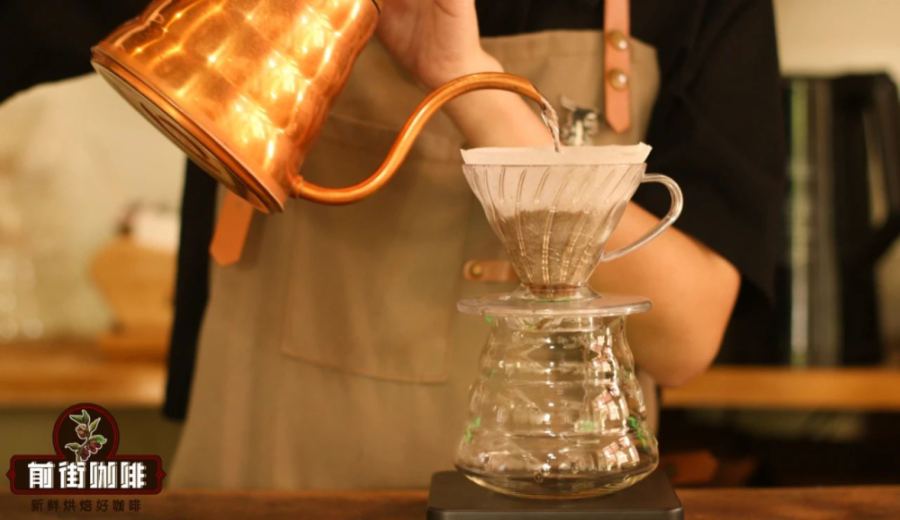
Introduction:Pour-over coffee, with its flexible operation and diverse flavor profiles, has become the top choice for many coffee enthusiasts. This article systematically introduces key points in selecting pour-over equipment, the principles behind the three main extraction stages, and provides clear, easy-to-follow practical steps to help beginners easily master brewing techniques, understand the various parameters that influence flavor, and brew a cup of layered specialty coffee.
The allure of pour-over coffee lies in its high degree of controllability and varied flavor presentation. By adjusting water temperature, grind size, and pouring technique, each cup of pour-over can showcase a distinctly unique personality. Next, we will start with the basics of equipment selection, delve into the key principles of the extraction process, and provide a practical home brewing guide.
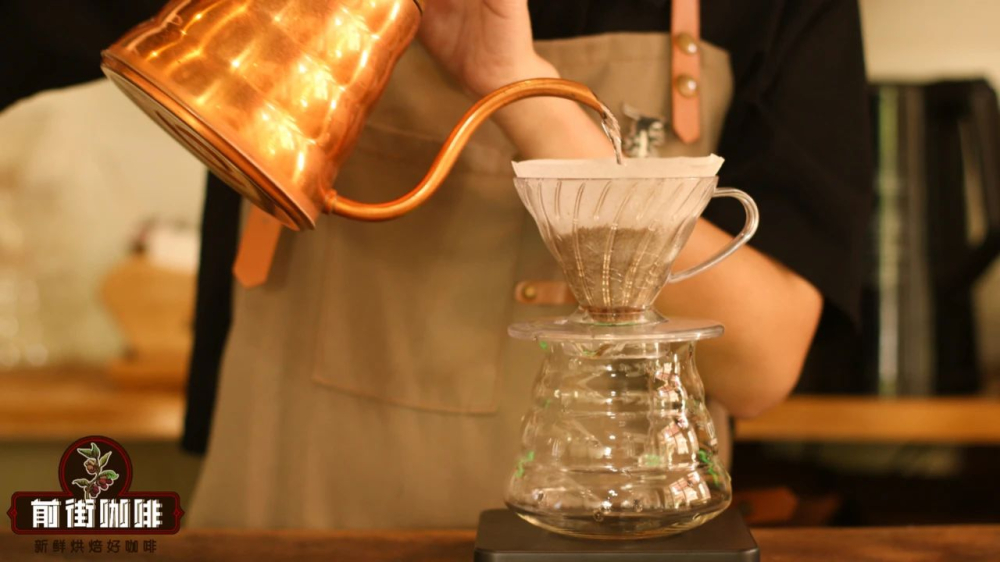
The essence of pour-over coffee is the process of hot water passing through a bed of coffee grounds and extracting flavor compounds through a filter paper. The entire brewing time is typically between three to four minutes. Since the pouring speed, water temperature, and water flow direction are all controlled by the brewer, even when using the same coffee beans, the resulting flavors can vary greatly each time. Although the required equipment is not complex, it does demand a certain level of operational detail and experience.
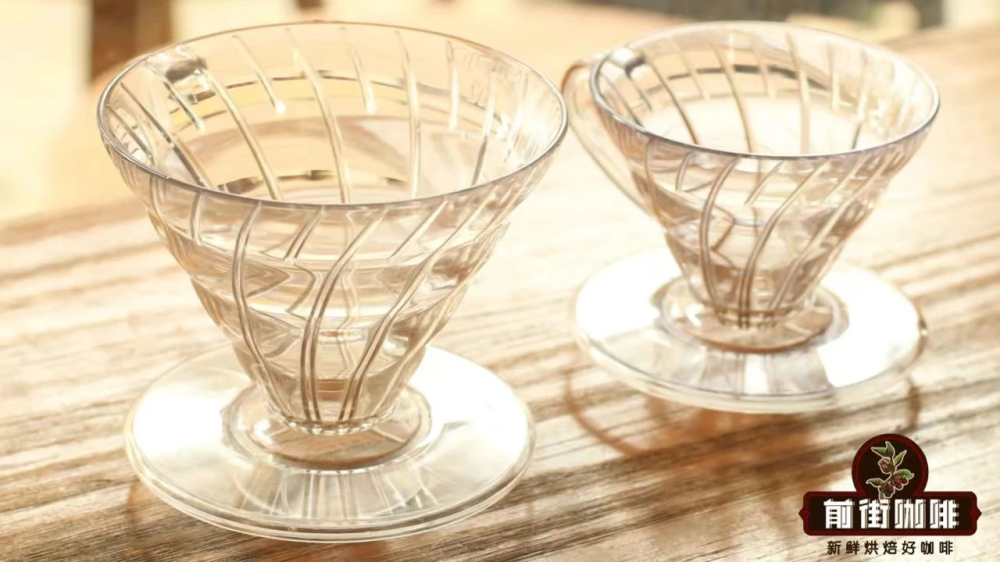
Among the essential pour-over tools, the choice of pour-over kettle prioritizes spout design. A narrow-spout gooseneck kettle allows for precise water flow control and is especially beginner-friendly, making it the recommended first choice. Additionally, factors such as the kettle’s material and heating method (e.g., compatibility with induction cooktops or gas stoves) should also be considered. Filter cones are categorized by shape into fan-shaped, conical, and wave-shaped types, with the design of the bottom holes directly affecting flow rate and flavor expression. Fan-shaped cones have smaller holes and a slower flow rate, ideal for producing a rich and full-bodied taste; conical cones have larger holes and a faster flow rate, resulting in a relatively cleaner flavor; wave-shaped cones have a flat bottom and require special filter paper, offering a more balanced taste. There are also metal filter cone options that don’t require paper, preserving more oils but potentially allowing finer coffee particles to pass through.
The role of filter paper is to adsorb impurities and some oils from the coffee. Unbleached filter paper may carry a slight pulp odor. The grinder is key to coffee freshness and grind uniformity; the ideal grind size for pour-over is similar to that of granulated sugar, with more uniform particles yielding better taste. Depending on roast level, for light to medium roasts, a medium-fine grind with a 75-80% extraction rate through a Chinese No. 20 standard sieve is recommended; for medium-dark to dark roasts, a medium-coarse grind with a 65-70% extraction rate is more suitable.
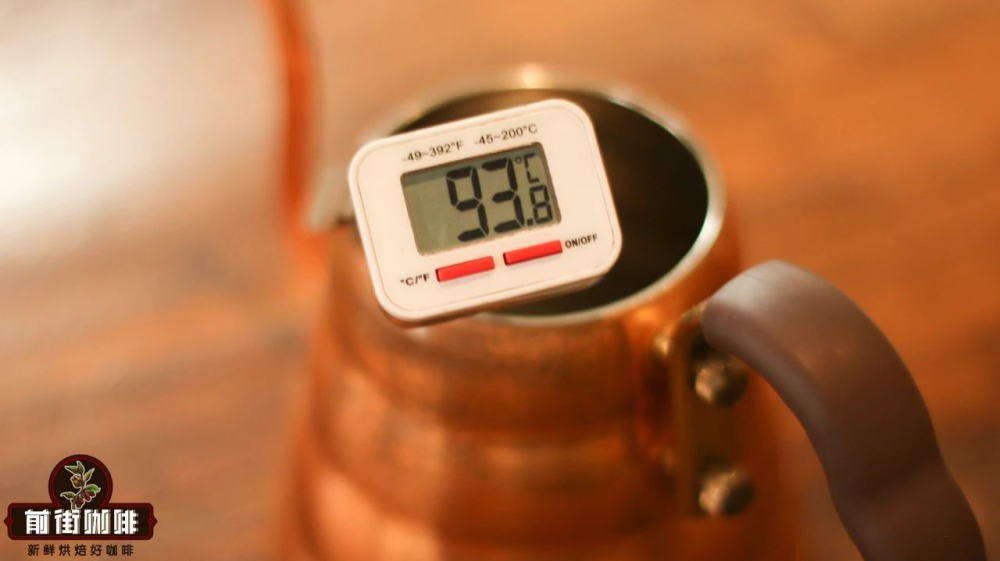
Other auxiliary tools such as a coffee server and cup are recommended to be preheated with hot water to maintain coffee temperature. For more precise parameter control, you may prepare an electronic scale, thermometer, and timer. Different roast levels of coffee beans also call for varying optimal water temperatures: light to medium roasts are best brewed at 90-92°C; medium-dark to dark roasts are better at 87-89°C. The choice of coffee beans is equally important—those who prefer bright acidity might try Yirgacheffe, Geisha, or Kenyan beans; those who enjoy rich fruitiness and sweetness may opt for Strawberry Candy, Mozart, or Sidamo beans; for a fuller body, Golden Mandheling, Brazilian Red Bourbon, or Colombian Huila beans are ideal choices.
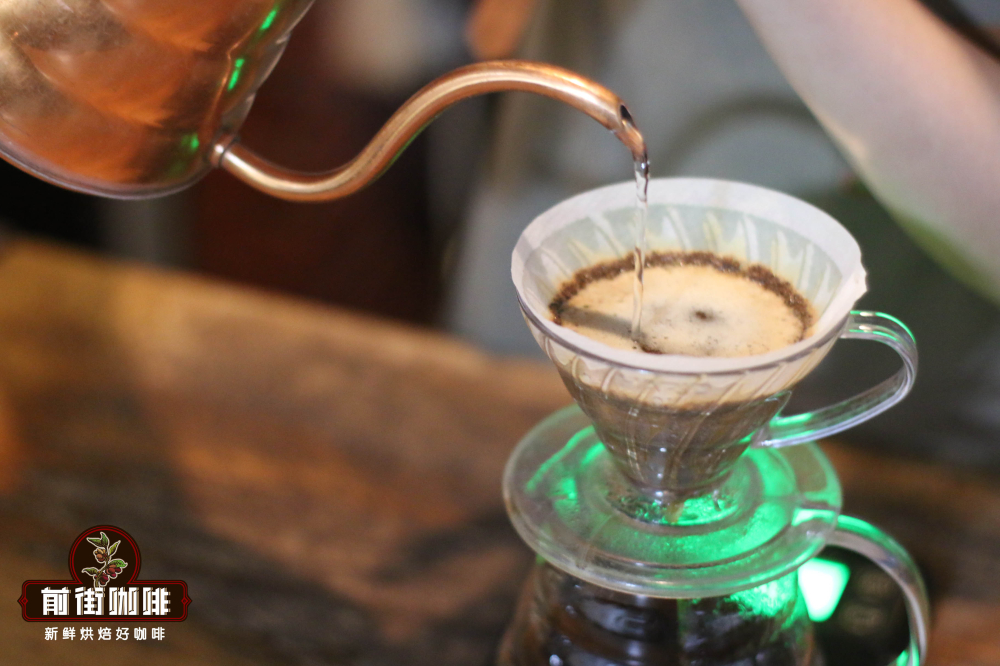
The extraction process of pour-over coffee is characterized by its speed and efficiency. Continuous hot water flow can effectively extract surface substances of the coffee, but improper operation can easily lead to over-extraction. Numerous factors influence the final flavor, including water flow rate, water temperature, coffee particle uniformity, and filter cone shape, so adequate preparation is essential before brewing.
The extraction principle of pour-over coffee can be divided into three stages: wetting, dissolution, and diffusion. The first stage is the wetting phase, also known as the bloom. At this point, hot water contacts the coffee grounds, causing internal carbon dioxide to begin releasing, forming bubbles and expanding the coffee bed. Fresh coffee beans contain higher levels of carbon dioxide, so pouring should be paused at this stage until expansion stops before continuing, ensuring even extraction later on. Next comes the dissolution phase, where soluble molecules within the coffee cells begin to dissolve into the hot water. Small-molecule substances such as acidity and aroma are released first, followed by medium-molecule sweetness, and finally large-molecule bitterness—this layering is what creates the coffee’s complexity. The last stage is diffusion, where dissolved aromatic molecules exit the cells through osmosis, forming the final extracted liquid.
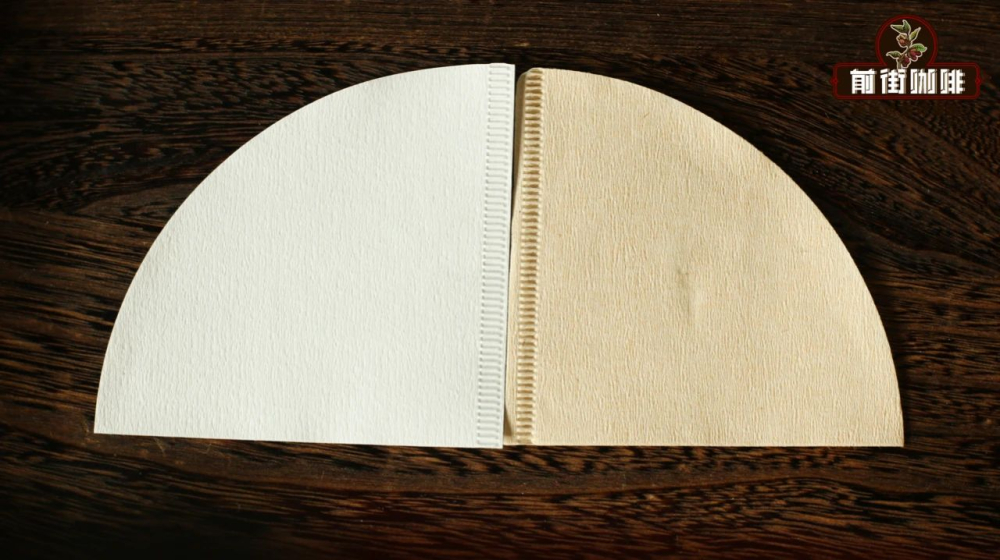
There are numerous key variables that affect extraction, among which coffee particle uniformity is particularly crucial. Uneven particles may cause fine grounds to release bitterness prematurely while coarse grounds remain under-extracted. The finer the coffee particles, the longer it takes for hot water to penetrate. Filter paper thickness also affects flow rate; thicker paper prolongs extraction time. Pouring speed, method, and height are equally critical. It’s recommended to keep the kettle spout as close to the filter cone as possible and pour in a steady circular motion. Regarding water temperature, medium-dark to dark roasts are best brewed at 89-90°C, while light to medium roasts are suited to 90-91°C—actual settings can be fine-tuned based on personal taste preference.
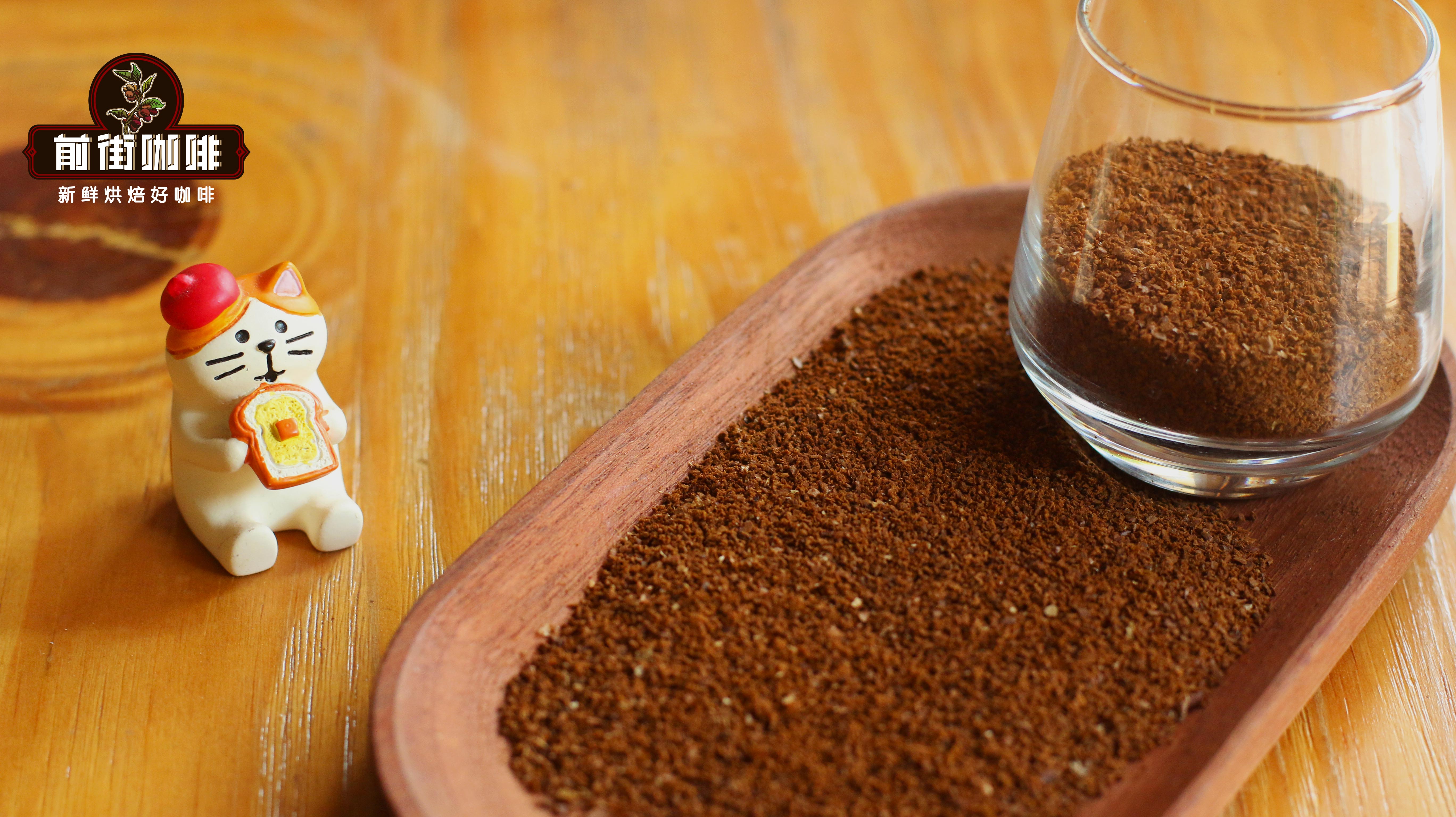
In actual practice, first grind the coffee beans to a sugar-like coarseness, ensuring uniformity, with the amount of coffee powder roughly half to two-thirds the capacity of the filter cone. When boiling water, it’s recommended to use a 1:15 coffee-to-water ratio, with water temperature controlled around 90°C. Before starting, fold the filter paper to fit the cone, wet it with hot water to preheat the cone, remove the paper taste, and discard the water. Place the coffee powder into the filter cone, gently tap to level the surface, then start the timer.
The first pour is called the bloom. With the kettle spout near the edge of the filter cone, pour in a circular motion from the center outward and back to the center to evenly saturate the coffee grounds, then stop. Avoid using too much water at this stage—the coffee bed will begin to expand and produce white bubbles. Wait 30-40 seconds to allow sufficient carbon dioxide release, then proceed to the second pour. Again start from the center and pour in a circular motion, maintaining a stable water flow. The entire pouring process should take over two minutes; for dark roasts, about 2 to 2 minutes 20 seconds, and for light to medium roasts, about 2 to 2 minutes 10 seconds. Once pouring stops, wait for the coffee liquid to finish dripping through, then gently swirl the coffee in the kettle to mix it evenly before pouring into your cup to enjoy.
Pour-over coffee is not just a process of brewing a beverage—it is an art form worthy of deeper exploration. By understanding the various parameters and principles, you will be able to more precisely adjust your brewing methods and craft a cup of coffee with your own unique flavor profile.
The above content is compiled by CoffeeHunters, a coffee news website.


