








Introduction:The moka pot is the go-to brewing device for many coffee enthusiasts who want to make strong coffee at home. Though simple to use, it can produce flavors close to those of an espresso. This article not only explains in detail the structure, working principle, and correct operation steps of the moka pot, but also delves into three common issues encountered during home brewing—weak coffee flavor, lack of crema, and coffee splattering—and provides specific adjustment suggestions and practical tips to help readers brew richer, more layered coffee step by step.
As a classic and easy-to-use home coffee tool, the moka pot can easily extract rich, espresso-like coffee in a household setting. It not only has a simple and practical design, but is also highly adaptable to different heat sources, allowing you to experience the concentrated feel of a professional café. This article will guide you from the basic structure and operating principles of the moka pot, breaking down each step of the brewing process in detail, and addressing three common issues in actual use—weak coffee flavor, lack of crema, and splattering during extraction—by providing clear cause analyses and concrete improvement strategies, so you can quickly master the key techniques of using a moka pot.

Espresso is not only the foundation of modern coffee beverages, but also the soul base of drinks like lattes and cappuccinos. While achieving café-quality espresso often brings to mind semi-automatic espresso machines, the moka pot can actually do the job too. This tool uses steam pressure generated by heating to push hot water through finely ground coffee, extracting a rich and aromatic coffee liquid. It’s an invaluable practical tool for general households or outdoor enthusiasts.
The moka pot mainly consists of three parts: the lower chamber holds the water, the middle funnel holds the ground coffee, and the upper chamber collects the final brewed coffee. When the lower chamber is heated, steam pressure gradually builds up. Once the pressure is sufficient to push through the coffee grounds, the heated water rises, passes through the coffee layer, extracts rich flavors, and finally drips into the upper chamber. This brewing method allows the moka pot to deliver an espresso-like richness and layering even without professional equipment.

The equipment needed to brew coffee with a moka pot is not complicated. You only need to prepare the following: first, the moka pot itself; then, depending on your heat source, choose a gas stove with a stove stand or an induction cooker; of course, you’ll also need suitable coffee beans and a grinder capable of grinding the beans to the appropriate fineness. With these basic tools ready, you can start trying to make a fragrant cup of moka pot coffee yourself.
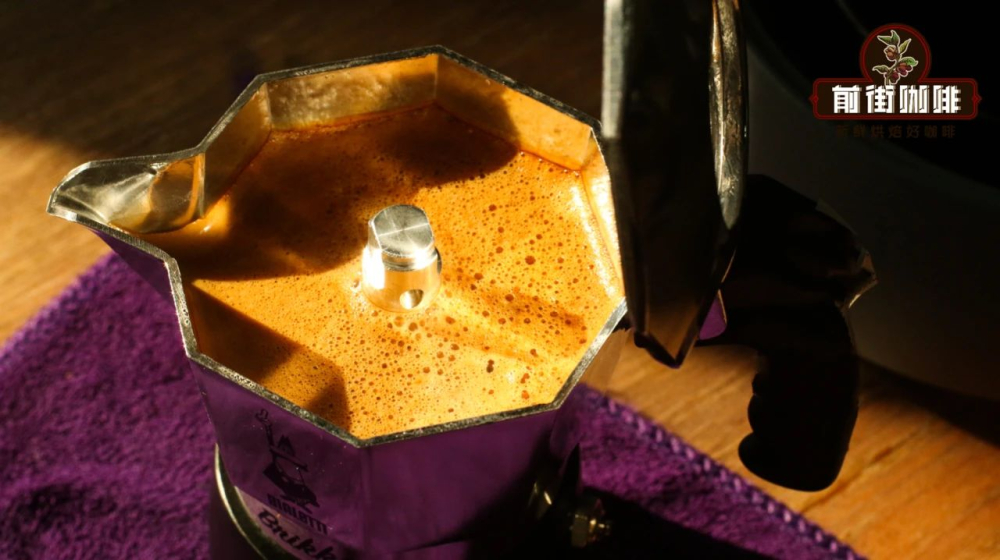
Here is the standard moka pot operation process: First, pour an appropriate amount of water into the lower chamber, with the water level recommended not to exceed the safety line; next, fill the funnel with coffee grounds ground to a fineness close to that of espresso, filling it to about nine-tenths full, and gently tap to evenly distribute the grounds and create a flat surface; then, screw the upper and lower chambers tightly together to ensure a good seal and prevent coffee leakage during extraction; place the assembled moka pot on a gas stove or induction cooker, starting with medium heat, and once you hear a distinct hissing sound, switch to low heat to allow the coffee to flow out steadily; finally, when the sound becomes a faint “popping” noise, it indicates that the extraction is about to finish, and you can then turn off the heat to avoid over-extraction affecting the flavor. In this way, a rich and aromatic cup of coffee is ready.
However, many people, whether using a moka pot for the first time or regularly, often encounter several typical issues. Below, we will analyze each one and provide corresponding solutions.
Issue 1: Weak Coffee Flavor
If you find that the coffee brewed with your moka pot tastes overly light, lacking depth and richness, possible reasons include the grind being too coarse or the coffee beans being too lightly roasted. A coarse grind can cause the water to flow too quickly, resulting in under-extracted coffee; meanwhile, lightly roasted beans are more difficult to release their flavor compounds, which can also make the coffee taste thin. It is recommended to adjust the grind to a finer level, closer to the standard for espresso, and to prioritize medium to dark roasted coffee beans. These beans usually have richer oils and bold flavors, such as blends with notes of cream, nuts, and caramel, which can significantly improve overall performance.
Issue 2: Lack of Crema
If your moka pot coffee lacks that delightful golden crema layer, it may be due to the grind being too coarse, the coffee grounds not being tamped firmly enough, or insufficient coffee quantity, causing the water to flow too quickly and carbon dioxide to not release adequately. Improvements can include grinding finer, slightly increasing the amount of coffee, and lightly pressing down the coffee bed during filling to create appropriate resistance between the water and coffee. Additionally, if the coffee beans are not fresh enough, the internal carbon dioxide and volatile aromatic compounds may have already dissipated, affecting crema formation and overall flavor richness. Therefore, it’s recommended to choose coffee beans with a recent roast date and use them as soon as possible after receiving them to achieve the best flavor.
Issue 3: Coffee Splattering
If you notice that the coffee doesn’t flow out smoothly but instead sprays or even splashes out of the pot, it’s usually because the grind is too fine, preventing the water from penetrating the coffee bed smoothly at first. The pressure then builds up until it suddenly breaks through, leading to uneven extraction and liquid splashing. This not only affects the flavor of the coffee but may also pose safety risks like burns. In such cases, it is recommended to immediately turn off the heat source and use a damp cloth to help cool the moka pot, carefully remove it, and let the remaining coffee drip out naturally. In future brews, try adjusting the grind to be slightly coarser and maintain moderate tamping to help the water flow steadily and avoid sudden splattering.

In summary, the moka pot is a practical and fun home coffee tool. By mastering the correct grind size, coffee quantity, coffee-to-water ratio, and heat control, and pairing it with suitable medium to dark roasted coffee beans, you can easily brew rich, layered coffee with a beautiful crema at home. Even if you encounter issues like weak flavor, lack of crema, or liquid splattering, understanding the causes and making subtle adjustments can quickly improve the results, allowing you to enjoy every handcrafted cup of espresso-style coffee.
The above content is compiled by CoffeeHunters, a coffee news website.


