







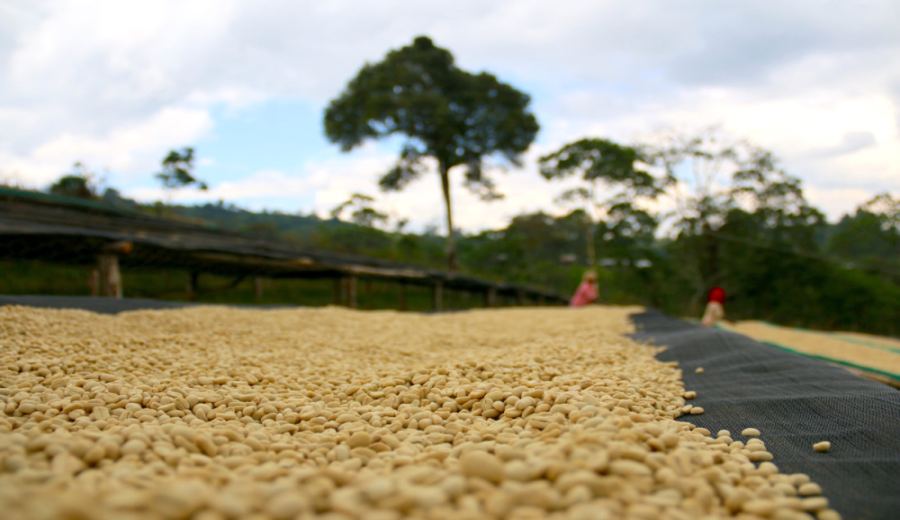
Introduction:As a high-altitude representative coffee-growing region in Ethiopia, Yirgacheffe is renowned for its bright fruity acidity and unique floral flavor notes. This article delves into the region’s grading system, highlights key micro-regions, and provides an in-depth look at the flavor profiles of three classic Yirgacheffe beans to help you make selections based on personal preference. It also offers a detailed guide to making cold brew coffee, including optimal grind size, coffee-to-water ratio, steeping time, and storage tips—allowing you to easily brew a layered, refreshing iced coffee at home.
Yirgacheffe is a famous high-altitude coffee region in southern Ethiopia, known for producing beans with distinct floral, citrus, and tea-like characteristics. Originally part of Sidamo, it later became an independent specialty region due to its uniquely pronounced flavor profile, and has since become one of the key benchmarks in the specialty coffee market.
Located at an altitude of approximately 1,700 to 2,200 meters, the high elevation slows the ripening process of coffee cherries, facilitating the accumulation of flavor compounds. The region primarily employs washed and natural processing methods, resulting in a rich and diverse range of flavor expressions—making it one of the top choices for coffee enthusiasts eager to explore new profiles.
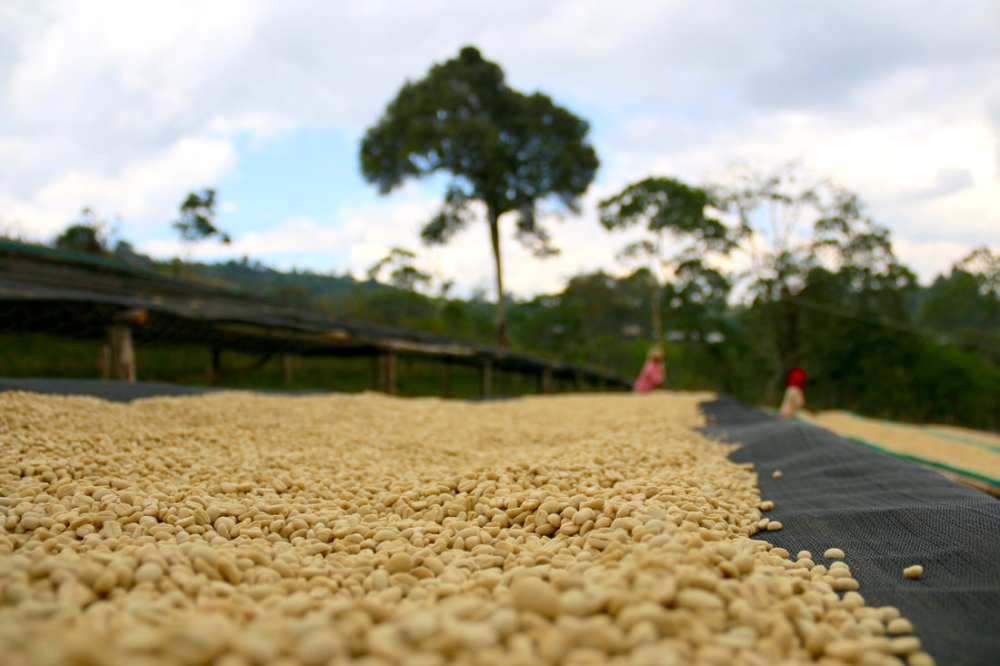
Within the expansive Yirgacheffe region, there are several notable micro-regions such as Kochere, Gedeo Zone, and Guji. These areas vary in climate, soil, and microclimatic conditions, lending each a unique identity in terms of acidity, sweetness, and aromatic complexity.
For these premium Yirgacheffe beans, many roasters develop distinctive products based on processing methods, regional details, and cupping results. Below are three common and representative flavor profiles of Yirgacheffe coffees:
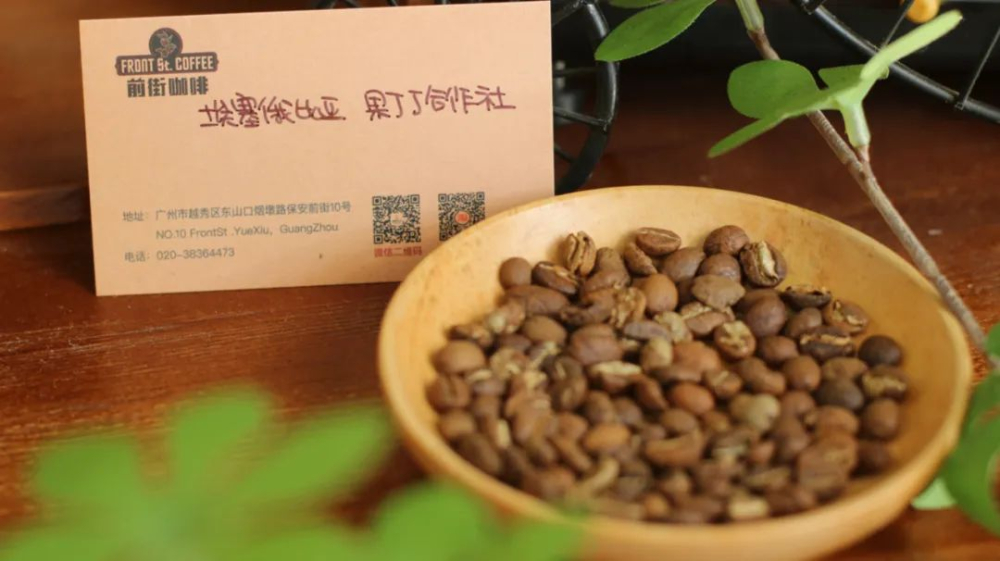
1. Washed-process Yirgacheffe Kochere (fruit Ding Ding): This coffee is most distinguished by its bright, tea-like aroma. Upon tasting, it delivers gentle lemony acidity and delicate floral notes, with a clean finish reminiscent of green tea—perfect for those who enjoy refreshing, light-bodied flavors.
2. Natural-process Red Cherry (Yirgacheffe Gedeo): Dominated by intense berry tones, often featuring blueberry, strawberry, and hints of wine-like fermentation aromas. It boasts a prominent sweetness, soft and layered acidity, making it ideal for those who prefer sweet, fruity profiles.
3. Classic Washed Yirgacheffe: Showcasing typical white floral notes such as jasmine and orange blossom, along with distinct citrus acidity like orange and lemon. It has a clean and balanced mouthfeel, making it the best entry point for understanding the foundational flavors of Yirgacheffe.
These beans are typically medium to light roasted to preserve the inherent brightness of their fruit acids and complex aromatic layers. Whether brewed using pour over, French press, or for cold brew, they all express unique regional terroir.
Among them, cold brew coffee stands out as the preferred choice for many home coffee lovers due to its simplicity and lack of complicated pouring techniques. Especially in hot seasons, a chilled, rich cold brew can highlight Yirgacheffe’s refreshing acidity and maintain excellent flavor complexity.

However, to brew a delicious cup of cold brew,grind size control is crucial. It is generally recommended to use a grind that allows about 80% to 85% of the particles to pass through a 0.85 mm standard sieve—roughly equivalent to the texture of fine sugar. If ground too fine, although it may initially extract acidic and sweet compounds quickly, it also increases the risk of off-flavors, woody notes, and over-extraction, leading to a murky mouthfeel and loss of clarity and smooth body.
Additionally, because the cold brew process lacks the molecular diffusion effect provided by hot water, overly fine coffee grounds are prone to clumping, resulting in uneven extraction and compromising overall flavor balance. Therefore, choosing an appropriately coarse grind is one of the keys to successful cold brewing.
Below is a practical guide to making cold brew coffee, suitable for use with high-quality washed or natural beans such as Yirgacheffe:
1. Ingredient Preparation:Use about 40 grams of coffee grounds with a sugar-like fineness, calculated at a 1:13 coffee-to-water ratio , for a total water volume of approximately 520 milliliters.
2. Container Selection:It is recommended to use a clean, oil-free, and well-sealed glass or plastic container with a capacity of 600 milliliters or more.
3. Brewing Process:Combine the coffee grounds with cold water in the container, stir well to ensure full contact between coffee and water, then seal and refrigerate for 8 to 12 hours.
4. Filtering and Enjoyment:Once the steeping time is complete, filter the coffee to remove grounds, and it’s ready to drink or can be stored in the refrigerator.
5. Storage Recommendation:Filtered cold brew coffee is best consumed within 72 hoursto maintain optimal flavor.
Some coffee enthusiasts find that after refrigerating cold brew for over a week, the flavor gradually shifts toward a fermented profile, and in some cases even takes on kombucha-like tangy notes. While this “aged extraction” flavor may appeal to some, if you prefer the clean and pure essence of coffee, it is recommended to consume it within the 2nd to 3rd day after filtering, when the flavor is most balanced, bright, and layered.
Also, adding ice cubes while drinking can help maintain a cool temperature and dilute the brew to better unfold the flavors—especially highlighting delicate fruity acidity and floral notes in the finish. However, note that the warming effect after adding ice may intensify certain fermentation tones, so adjust the amount of ice according to personal taste.
The above content is compiled by CoffeeHunters, a coffee news website.


