







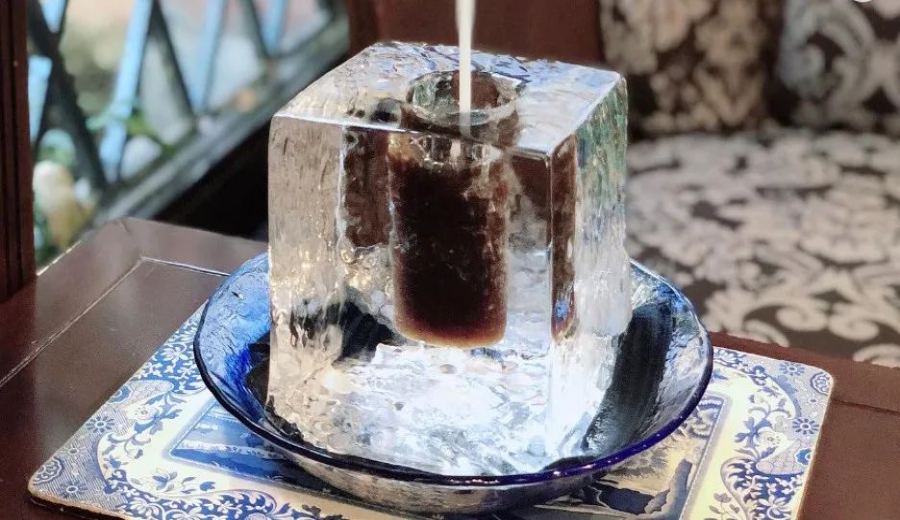
Introduction:On hot summer days, iced coffee becomes the go-to choice for many to beat the heat. This article selects three high-value-for-money coffee beans suitable for making iced drinks, including Ethiopia Natural Red Cherry, Panama Elida Typica, and Colombia Finca La Línea Sidra. It also provides a detailed breakdown of the steps and key parameters for three common brewing methods—pour over, drip bags, and cold brew—so you can easily brew rich, layered iced coffee at home.
In the high-temperature season, a cool and refreshing cup of coffee not only perks you up but also instantly drives away the muggy feeling. Whether at home or in the office, as long as you master the correct brewing method and bean selection, you can easily enjoy your own iced coffee moment. This article will introduce three simple, no-special-equipment-required iced coffee brewing methods: pour over iced coffee, drip bag iced coffee, and cold brew iced coffee. We also recommend three coffee beans that offer both bright fruity notes and rich body with excellent cost-performance, allowing you to brew a perfect cup with ease.
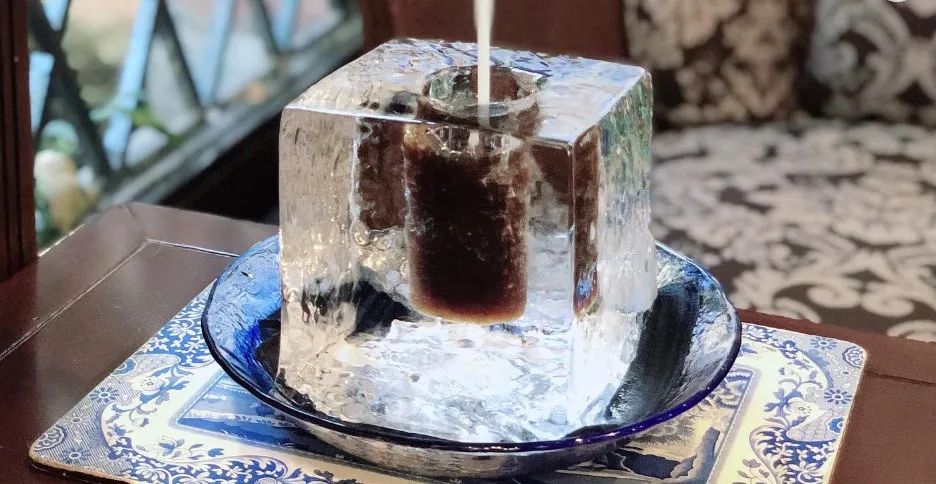
"In summer, this life is given by iced coffee!" Though a bit exaggerated, on scorching hot days, a refreshing and layered iced coffee can indeed instantly lift your spirits. If you're still wondering how to make a delicious iced coffee at home, follow the steps below—from bean selection to brewing—and get it all right in one go. Make this summer anything but boring.
When choosing beans suitable for making iced coffee, many people instinctively go for light-roasted beans with bright acidity and refreshing flavors. However, while these beans may deliver a crisp initial taste, they sometimes lack body and complexity. In fact, by selecting the right roast level and processing method, you can still achieve rich fruity notes and a smooth mouthfeel in iced drinks. The following three coffee beans are high-CP-value choices specially selected for iced coffee scenarios.
Ethiopia Natural Red Cherry Coffee Beans
Roasted to a medium-light level, this coffee showcases a blend of berry, caramel, black tea, and subtle fruit fermentation aromas. These beans originate from the "Red Cherry Project" launched by a Dutch green coffee trader in 2007, which encouraged farmers to harvest only fully ripe red cherries, significantly enhancing sweetness and overall quality. By drying the entire coffee fruit in the sun, not only are the rich sugars preserved, but unique fermentation aromas are also brought out. This allows the beans to maintain a distinct sweetness and soft mouthfeel even when served chilled, making it a standout choice from the Ethiopia region.
Panama Elida Estate Natural Typica Coffee Beans
Medium roasted, its flavor profile includes peach, orange, raisin, caramel, and green tea notes. Although Elida Estate is famous for its Geisha, its Typica variety should not be overlooked. Processed with natural sun-drying, this Typica not only exhibits a rich juiciness but also retains the clean characteristics unique to the Typica variety. It has a smooth mouthfeel and clear layers, making it ideal for those who enjoy a full-bodied taste without it being too heavy.
Colombia Finca La Línea Sidra Coffee Beans
Also medium roasted, its flavor profile features grape, passion fruit, apricot preserve, citrus, and noticeable fermentation aromas. Sidra is an experimental hybrid variety of Typica and Red Bourbon. Genetic research shows it shares ancestry with native Ethiopian varieties, often exhibiting floral and fruity notes similar to Geisha. With well-balanced acidity, a round mouthfeel, and excellent value, it’s a popular choice for many coffee lovers’ summer iced drinks.

For all three beans above, whether using pour over, drip bags, or cold brew, it is recommended to use a medium-fine grind to fully extract the flavors while maintaining extraction efficiency. Next, we’ll detail the specific steps and precautions for three common iced coffee brewing methods.
Pour Over Iced Coffee Brewing
The recommended powder-to-water ratio is 1:10 (1 gram of coffee powder to 10 grams of water), using about100 grams of ice cubeswith a water temperature of90-91°C, and brewed using aV60 filter conewith a three-stage pouring method. To ensure the coffee maintains a full-bodied mouthfeel after cooling, it is advised to complete the pour over process first, then pour the coffee liquid over the ice cubes and shake to dilute. Avoid adding ice at the start, which may lead to uneven concentration.
Practically, you can use15 grams of coffee powder, with the first pour being30 grams of water for a 30-second bloom, the second pour using a small stream in circular motions to add60 grams of water, and when the water level drops halfway, the third pour adds60 grams of water, for a total of150 grams of water. After brewing, pour the coffee liquid into the prepared ice cubes and shake to cool. Depending on preference, you can add more ice or adjust the dilution ratio until the desired taste is achieved.
Drip Bag Iced Coffee Brewing
Each drip bag typically contains10 grams of coffee powder, with the same powder-to-water ratio of1:10, using about50 grams of ice cubes, with water temperature controlled at90-91°C, using a center-pour method. To brew, hang the drip bag on a cup, pour in100 milliliters of hot waterand let it steep for3 minutesto ensure full extraction. Then remove the drip bag and add ice cubes to cool. For quicker cooling, you can also pour the coffee into another container with ice cubes and stir to dilute.
Cold Brew Iced Coffee Brewing
This method is best suited for those who are busy or don’t want to spend too much time monitoring the brewing process. The recommended powder-to-water ratio is1:12 (1 gram of coffee powder to 12 grams of water), usingroom temperature water, and extracted via acold brew pitcherat low temperatures for12–16 hours. For example, using a1-liter capacity cold brew pitcher, you can use60 grams of coffee powderwith720 grams of water. After wetting the coffee powder, seal and refrigerate, avoiding movement during the process. Once extraction is complete, remove the filter and let it drip, then discard the coffee grounds to enjoy. If the concentration feels too strong, you can adjust to a1:13ratio, or add ice or water according to taste upon serving.

The above content is compiled by CoffeeHunters, a coffee news website.


