








Introduction:Though small in size, an espresso is packed with intense flavors and exquisite craftsmanship. For coffee newcomers unfamiliar with this classic Italian beverage, how should one properly taste it? Should sugar be added? And what’s the purpose of serving it with a glass of ice water? This article will delve into the logic and professional steps of enjoying espresso, revealing the stringent demands it places on coffee bean quality and extraction techniques—helping you appreciate the essence of this “black gold.”
Walk into a café, and espresso often isn’t the first item on the menu, yet it remains a classic favorite among many coffee aficionados. This compact yet bold coffee may seem simple, but it actually poses high challenges to extraction craftsmanship and coffee bean quality. Whether you’re a beginner just starting your coffee journey or an enthusiast eager to explore the depths of espresso, understanding the correct way to enjoy it will elevate your coffee experience to a whole new level.

When many people try espresso for the first time, they often wonder: How exactly should one drink this small, dark cup of coffee that’s gone in just a few sips? In truth, espresso is not just a quick pick-me-up—it’s also a window into the barista’s skill and the essence of the coffee beans. Compared to the layered and slowly unfolding flavors of pour over coffee, espresso, under high-pressure extraction, delivers highly concentrated flavors, distinct tactile sensations, a rich mouthfeel, and the unique crema (coffee foam)—all of which contribute to its captivating character.
So, what exactly are we tasting when we drink an espresso? First and foremost, itsaroma and body.Because espresso’s flavors are intense and fleeting, tasters need to quickly capture its top notes and main profile. Next, there’s itsaftertaste and layering.A well-brewed espresso, even if it finishes quickly, can leave behind a clean and balanced finish. Additionally, that golden layer of crema floating on the surface isn’t just a visual treat—it also contributes to a silky and rich mouthfeel, serving as one of the key indicators of a successful extraction.
It’s worth mentioning that many people initially find the strong taste of espresso overwhelming. Some may ask, “Can I add sugar?” The answer is yes. However, if you want to fully experience the authentic flavor of a high-quality espresso, it’s recommended to try it without sugar first, allowing your taste buds to perceive its true character. Of course, if you prefer sweetness, you can add a small amount of brown or white sugar—this can sometimes even enhance the caramel notes in the coffee, making the overall taste smoother and more rounded.
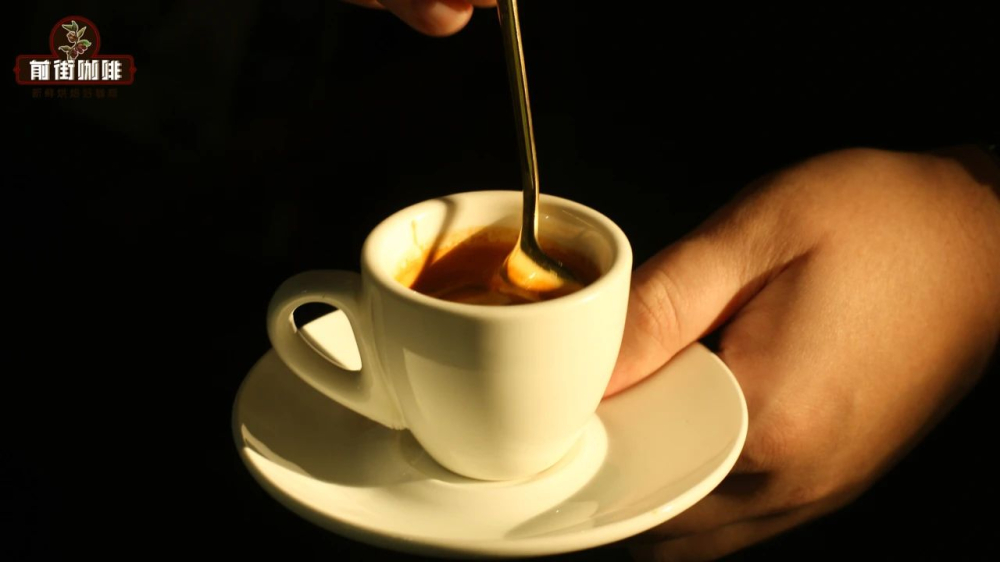
When it comes to tasting espresso, many specialty cafés serve it with a glass of ice water—not by coincidence. First,the ice water helps cleanse the palate and reset the taste budsbefore drinking, allowing you to experience the complex flavors of the espresso in their purest form. Second, before officially tasting, you can gently stir the espresso with the provided coffee spoon to blend the denser liquid at the bottom with the upper layer, ensuring consistent concentration and flavor in every sip. Of course, you can also choose not to stir, to experience the varying textures across different layers.
Next, it’s recommended to take the espresso in three to four small sips. Use your tongue to touch the roof of your mouth to feel its texture and body, then use the sides of your tongue to capture acidity and sweetness. Finally, close your mouth and draw air in through your nose to let the aroma spread from your nasal passages, experiencing the lingering aftertaste. Afterward, take a sip of water to help recalibrate your taste buds and allow you to better perceive the inherent sweetness and layers of the espresso.
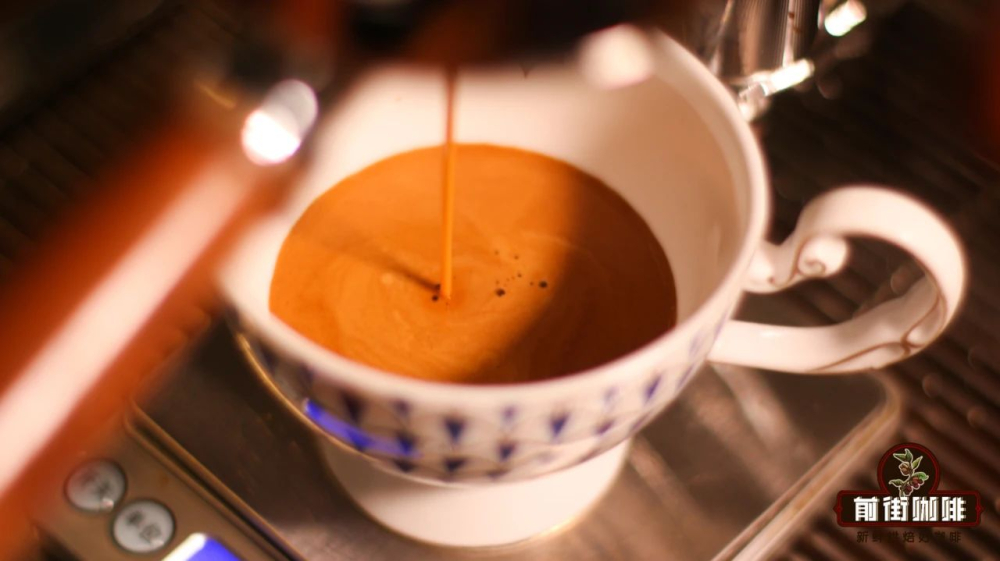
Of course, a truly outstanding espresso relies on high-quality coffee beans and precise extraction techniques. The ideal extraction ratio is typically 7–10 grams of coffee grounds to produce 25–30 milliliters of espresso, with a brewing time controlled between 25–30 seconds. This ensures a rich and balanced coffee liquid, along with that captivating crema. If the extraction time is too short, it may result in excessive acidity and unevenness; if too long, it can lead to over-extraction, producing bitter, burnt notes that disrupt the overall flavor structure.
For example, dark-roasted blends are commonly used to make espresso because they bring out rich caramel, nutty, and chocolatey tones, while also helping to stabilize the extraction of dense crema. These beans are usually a combination from different origins—for instance, Brazil’s balanced sweetness, Indonesia’s earthy spice notes, and Vietnamese beans’ bold thickness. Through careful blending, they create a base suitable for various preparation methods: whether enjoyed straight, diluted with hot water as an Americano, or mixed with milk for a latte, all can showcase a stable and layered performance.
In summary, tasting espresso is not just a sensory experience, but also a blend of technique and perception. Understanding its background, learning the correct tasting steps, and knowing when to add sugar (or not) can help you better appreciate this “small but mighty” beverage. Whether you’re pursuing deep flavors or simply want to experience the essence of Italian coffee culture, mastering these fundamentals will make every sip more meaningful.
The above content is compiled by CoffeeHunters, a coffee news website.


