







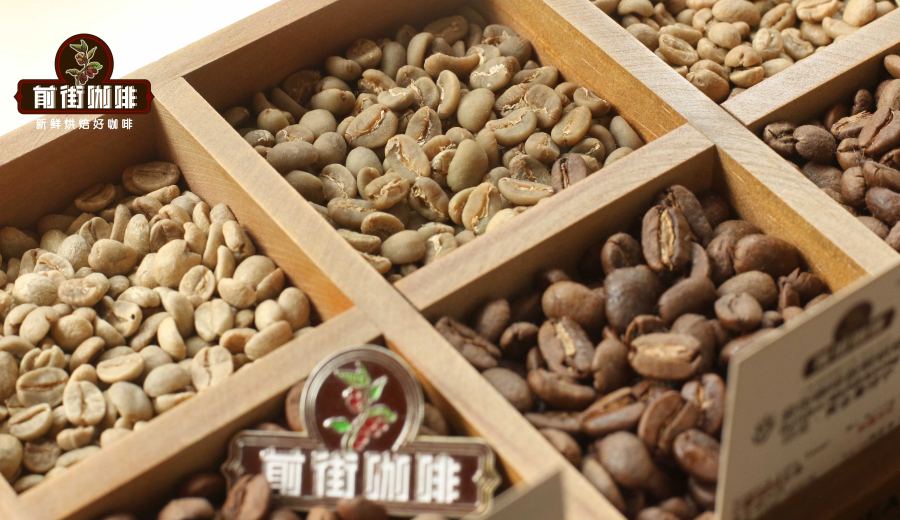
Introduction:Did you know that the name "Mandheling" actually originated from a linguistic misunderstanding? This classic coffee from Sumatra, Indonesia, is beloved by coffee enthusiasts worldwide for its rich, full-bodied flavor. This article will delve into the origins of the name Mandheling, explore how Sumatra’s unique wet-hulling process shapes its distinctive character, and introduce the premium PWN Golden Mandheling selection standards. We also provide practical pour over brewing parameters—including coffee-to-water ratio, water temperature, grind size, and a three-stage pouring technique—to help you fully showcase this coffee’s notes of spice, dark chocolate, and caramel.
Indonesia is the largest coffee-producing country in Asia, and Mandheling coffee from the island of Sumatra is renowned for its heavy, bold body, low acidity, and unique spicy and herbal undertones. However, this widely known coffee name actually originated from a language mix-up during World War II.
According to the story, a Japanese soldier once tasted coffee at a shop in central Indonesia and asked the shopkeeper what kind of coffee it was. The shopkeeper, misunderstanding the question, thought he was being asked about his origin and replied "Mandailing" (referring to the Mandailing people). After the war, the soldier recalled the uniquely flavored coffee and referred to it as "Mandheling." By 1968, the Nomura Trading Company in Osaka, Japan, imported 15,000 kilograms of Sumatran Mandheling coffee from Indonesia’s N.V. Pawani Medan company, where it became extremely popular in the Japanese market—firmly linking the name "Mandheling" with this origin.
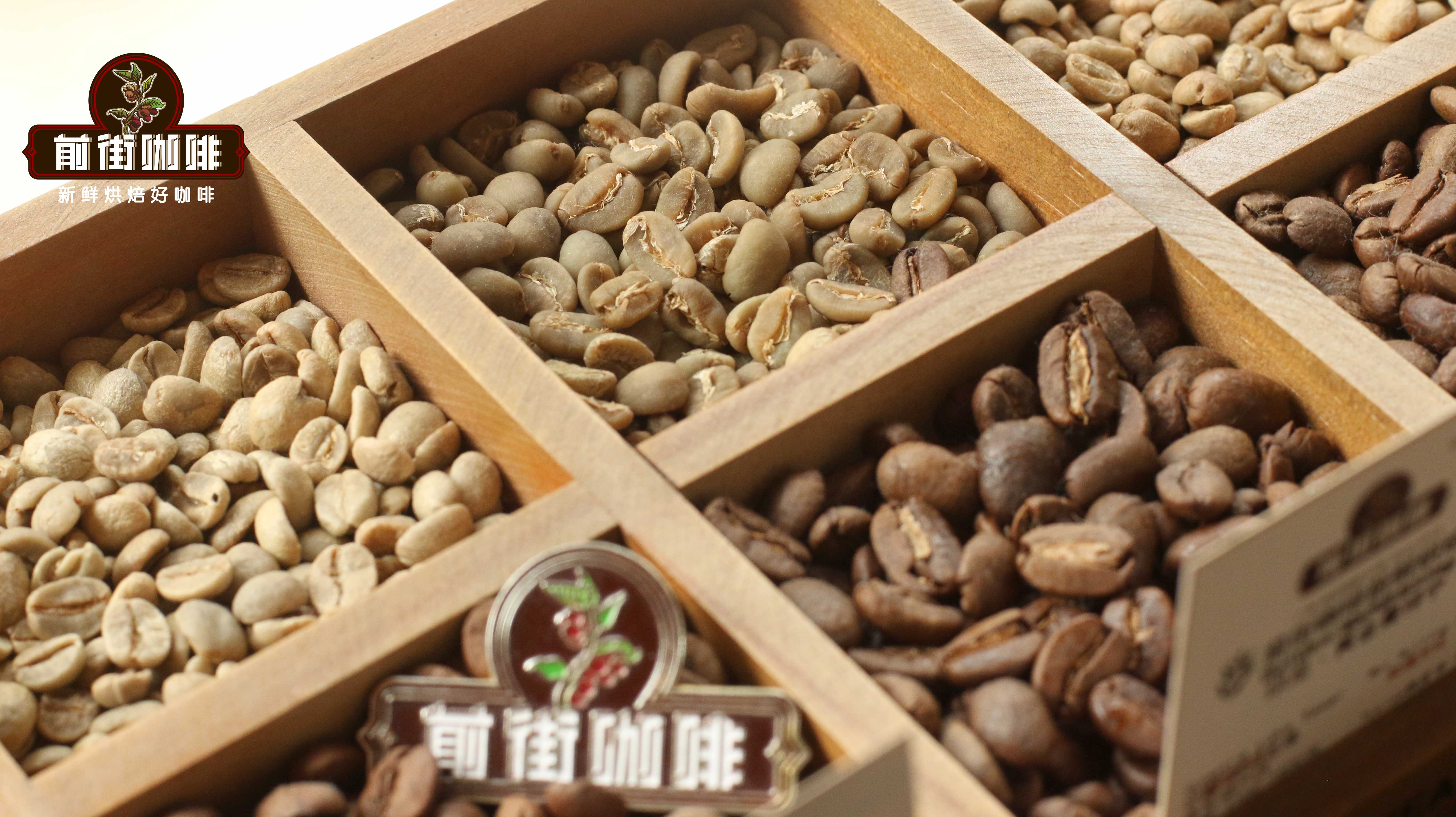
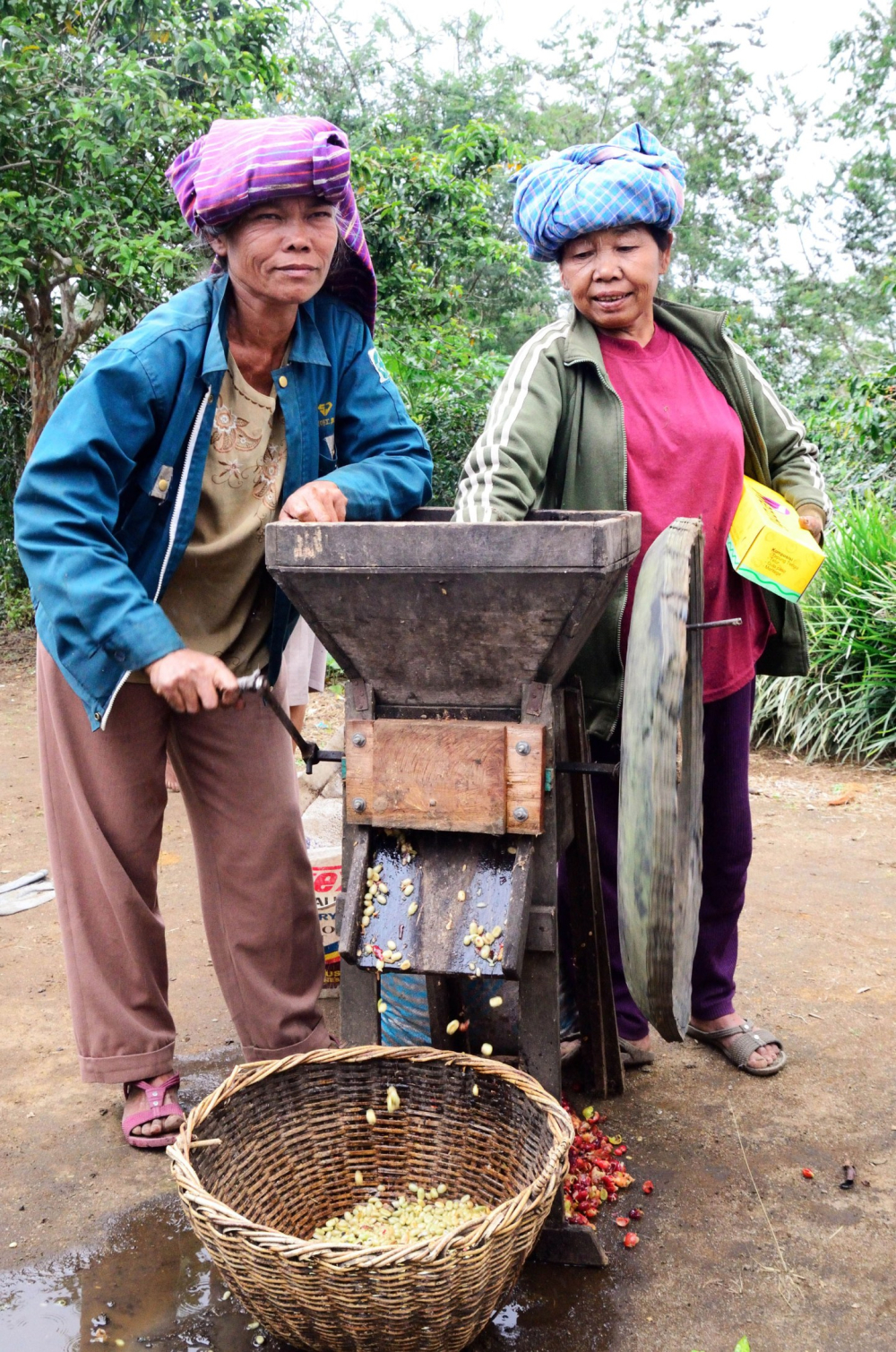
Mandheling coffee is primarily produced on the Indonesian island of Sumatra, where the climate is consistently hot and humid, and the region is frequently hit by typhoons. As a result, commonly used processing methods from Africa, such as natural sun-drying, or the dominant washed process in Central and South America, are difficult to apply here. To effectively process coffee beans in the humid environment while controlling costs and shortening processing time, Sumatra developed its unique "wet-hulling" (Giling Basah) method.
The general process of this method is as follows: first, the outer skin of the coffee cherry is removed, followed by a brief fermentation period and initial sun drying. When the parchment-covered beans reach a moisture content of 30% to 50%—still semi-dry—a special machine is used to remove the still-hard parchment layer. At this point, the green beans are not yet fully dry. Drying continues until the target moisture level is reached, after which the beans are graded and packaged.
Since most of this process takes place in an environment with 70% to 90% humidity, and because the protective parchment layer is removed early, the beans are more prone to absorbing moisture from the air. This results in a final cup with intense woody tones, herbal aromas, and layers of spice—key factors behind the deep, distinctive flavor profile of Sumatran Mandheling.
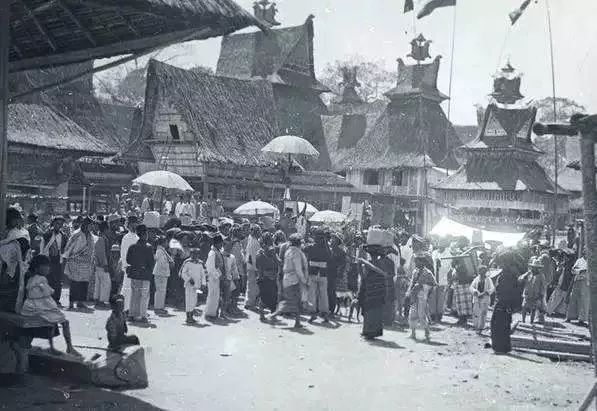
Among the many Sumatran Mandhelings, the "Golden Mandheling" launched by PWN (Pwani Coffee Company) is regarded as the top-tier representative. PWN is one of Indonesia’s leading premium green bean buyers, specializing in selecting high-quality Mandheling beans. Their Golden Mandheling is not only rigorously screened but also has the name registered as a trademark, making it the sole authentic source of "Golden Mandheling" on the market.
PWN is extremely meticulous in its processing. After employing the wet-hulling technique, the beans undergo one mechanical screening and three rounds of manual hand sorting to ensure each batch meets the highest Indonesian green bean grade, G1. The machine sorting uses an 18-mesh screen to retain only beans of the specified size, followed by manual removal of defective beans, significantly reducing defect rates and enhancing overall flavor clarity and consistency. Tasting notes reveal that Golden Mandheling exhibits clearer profiles of spice, dark chocolate, and caramel, with noticeably fewer off-flavors, resulting in a very clean cup.
Golden Mandheling is typically medium-dark roasted, preserving moderate caramelization without overwhelming its delicate spice and herbal characteristics with excessive roastiness. It is recommended to rest the roasted beans for 7 to 10 days for degassing to allow the flavors to fully develop before brewing, ensuring you can experience its full complexity. To guarantee optimal freshness, choose beans roasted within 5 days prior to shipping.
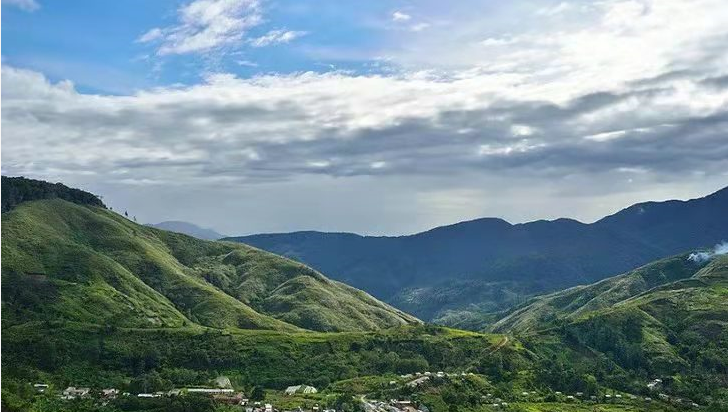
If you’d like to brew Golden Mandheling at home using the pour over method, here are professionally recommended parameters to help bring out its rich notes of spice, dark chocolate, and caramel sweetness, along with a full-bodied and balanced mouthfeel.
Coffee-to-Water Ratio: Recommended at 1:15—for example, 15 grams of coffee to 225 milliliters of water—suitable for 1 to 2 servings.
Water Temperature: Suggested to be controlled at 87~88°C. Too high a temperature may extract excessive bitter compounds, especially for medium-dark roasted Mandheling; slightly lowering the temperature helps concentrate the flavor.
Grind Size: Recommended to use a medium-coarse grind, such as passing about 70% through a Chinese standard No. 20 sieve, or roughly a grinder setting of 11 (referencing the EK-43s). A slightly coarser grind reduces the risk of over-extraction and avoids excessive tannins and woody off-notes.
Filter Choice: The KONO filter, with its smooth curved upper design, allows the filter paper to adhere tightly, restricting airflow and concentrating the downward flow of hot water—enhancing body and aroma extraction. This filter is especially suitable for brewing medium to dark roasted beans like Mandheling and Brazil.
Three-Stage Pouring Technique: Begin by wetting the filter and preheating your vessel. Then pour 30 grams of water for a 30-second bloom. First pour: add water in small circles up to 125 grams, then pause. Once the liquid level drops slightly, proceed to the second pour up to a total of 225 grams. Total brew time (including bloom) should be around 2 minutes.
The brewed Golden Mandheling typically offers flavor notes of herbs and spices like cinnamon, paired with a strong presence of dark chocolate and nutty tones, and a natural caramel sweetness in the aftertaste. With a full, silky body, distinct layers, and a long-lasting finish, it showcases varied flavor characteristics from hot to cool temperatures—making it a classic Indonesian coffee well worth savoring.
The above content is compiled by CoffeeHunters, a coffee news website.


