








Introduction:An in-depth exploration of the historical origins, varietal characteristics, and processing method differences of Yunnan Typica coffee beans, focusing on two classic samples — Baoshan washed and Lincang natural. From flavor profiles to brewing techniques, we detail the application of medium roast in V60 pour over and espresso machines, providing key parameters such as dosage, water temperature, and brewing time to help you master the unique expression of this Asian small-bean variety.
In the specialty coffee world, Yunnan’s “small-bean coffee” label is widely recognized, and the key variety that supported its early reputation is the centuries-old Typica. This ancient Arabica originating from Ethiopia not only gave rise to premium coffees like Blue Mountain and Kona but also exhibits unique regional flavors in Yunnan’s mountainous regions. This article begins with the introduction history of Typica, analyzing its cultivation challenges and flavor traits, and through two practical cases — Baoshan washed and Lincang natural — helps you understand how different processing methods shape flavor. It also includes complete parameter guides for both pour over and espresso extraction.
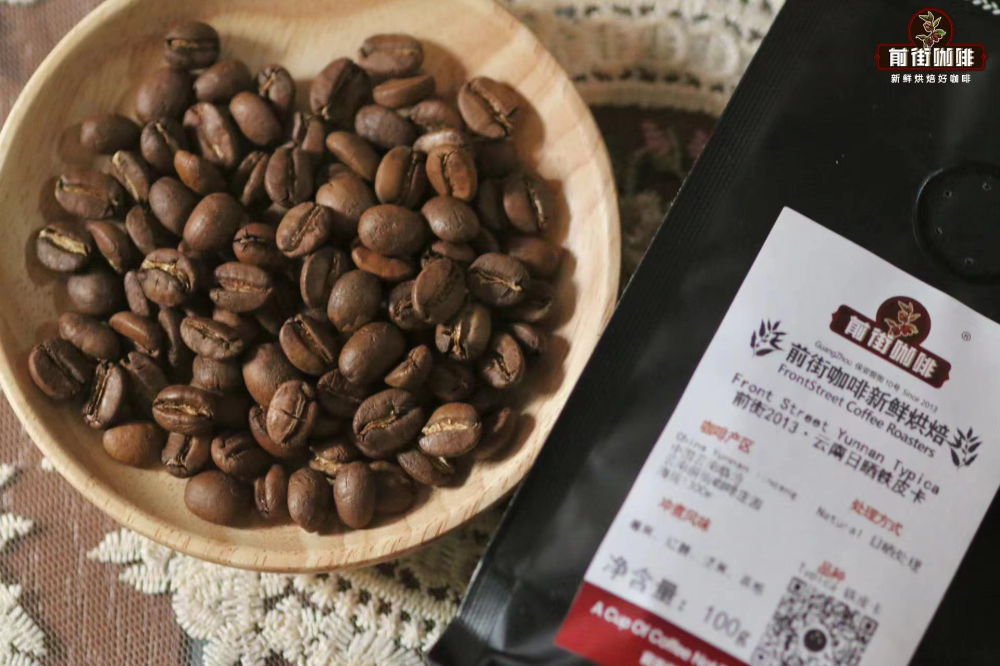
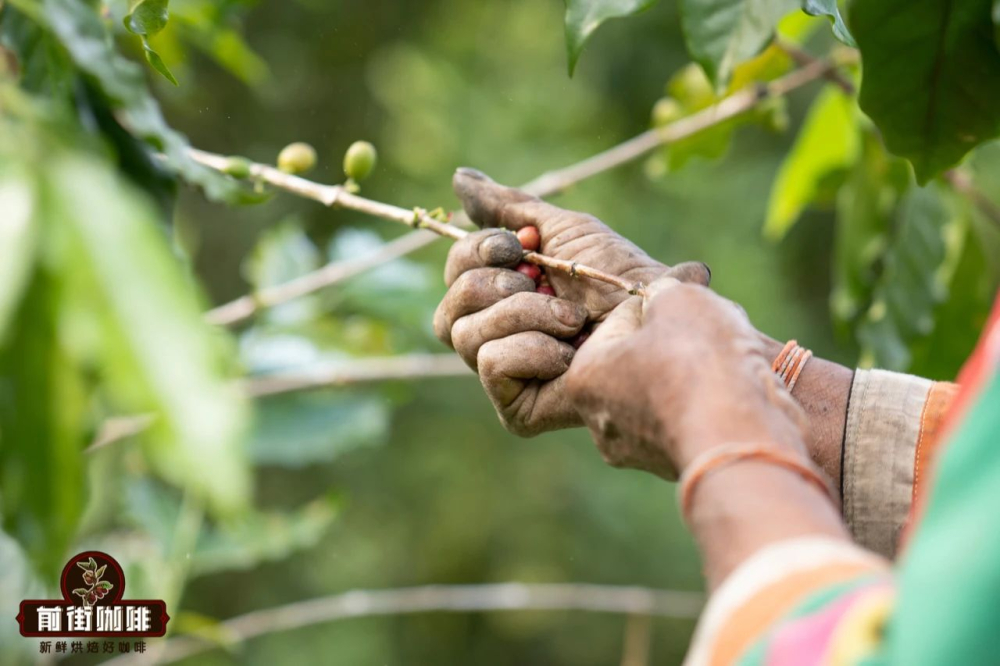
How Did Typica Come to Yunnan? The story began in 1904 when a French missionary planted the first coffee seedlings in Zhukula Village in western Yunnan, marking the beginning of the highland’s relationship with coffee. By the 1980s, the region still primarily grew traditional small-bean varieties represented by Typica and Bourbon — their beans were noticeably smaller than the medium-bean Robusta from Hainan, yet were renowned for their rich fruit acidity and delicate taste. Typica trees grow upright, have good cold resistance, but suffer from low yield and are susceptible to diseases like leaf rust and berry disease. They require intensive management, and with lower economic returns compared to later-introduced Catimor, their cultivation area has gradually declined in recent years. However, some farmers continue to grow this classic variety, such as the representative lots from Baoshan Huaguoshan and a certain area in Lincang.
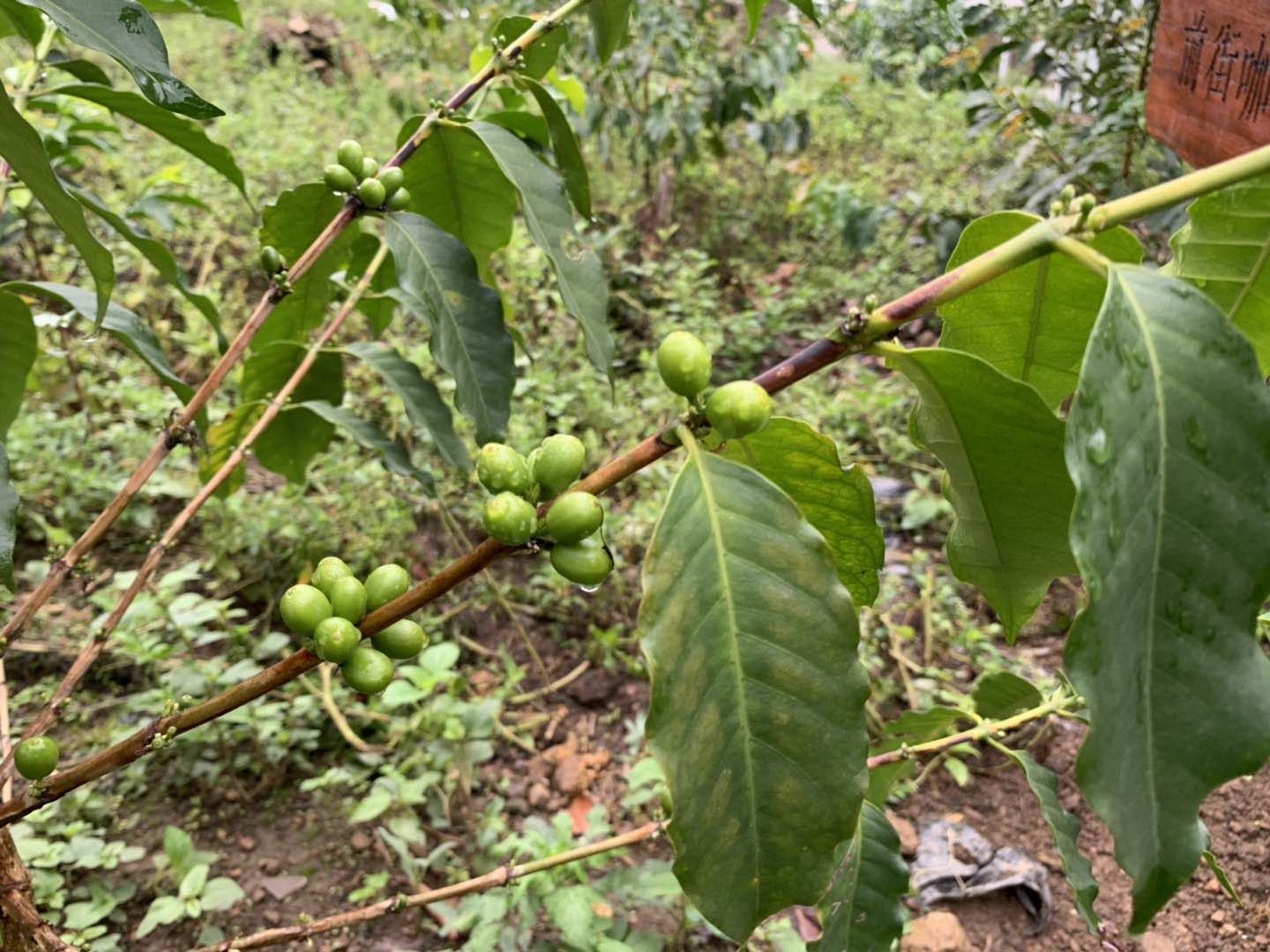
Baoshan Washed Typica: A Representative of Fresh Fruit Aroma Xinzhai Village in Ludianba, one of Yunnan’s earliest coffee-producing regions, boasts the country’s largest contiguous coffee plantation. Its warm climate, free of frost all year round, and fertile soil nurture coffee cherries with relatively thin pulp and noticeable sweetness. During the harvest season from November to March each year, farmers mostly use the washed process — leveraging the area’s abundant fresh water resources, removing the pulp via pulping and fermentation, then drying to remove moisture. This method highlights the elegant aroma inherent in Typica, giving the coffee a smooth and rounded mouthfeel with bright fruit acidity. The flavor profile is clean and distinct, making it a classic choice to showcase the foundational characteristics of the region. It’s worth noting that the washed process requires strict control over fermentation time and temperature to avoid off-flavors caused by over-fermentation.
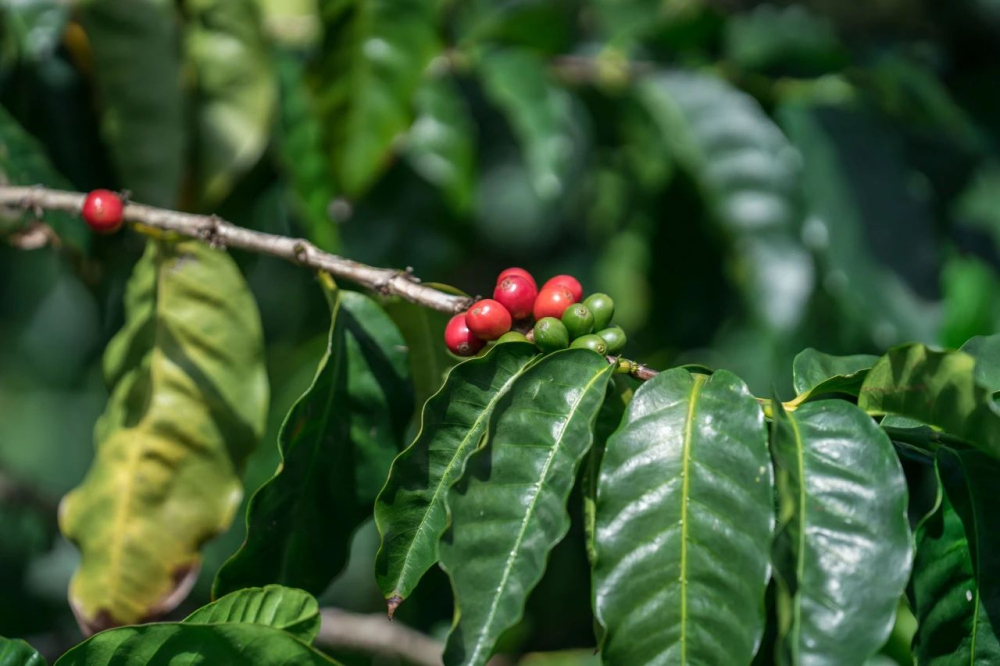
Lincang Natural Typica: A Variation of Rich Sweetness Influenced by the warm, moist air currents of the Indian Ocean, Lincang experiences distinct dry and rainy seasons, ample sunshine, and short frost periods. Its diverse microclimates are suitable for Arabica growth. A team first trialed planting Typica here in 2013. After 5–6 years of cultivation, the first harvest took place in 2020, and the beans were processed using the natural method. After harvest, the coffee cherries underwent floatation to remove defects, then were spread on drying beds to be sun-dried. During this period, they were manually turned at regular intervals to ensure even heat exposure until the moisture content dropped to 11%–12%, and the cherry skin changed from bright red to dark purple. This method extends the contact time between the pulp and the seeds, imparting more intense fermented flavors to the coffee. Common aromas include caramel, berries, and black tea, with notable sweetness and a full-bodied mouthfeel. The natural process is highly dependent on weather conditions, so close attention to rainfall forecasts is necessary to prevent quality fluctuations.
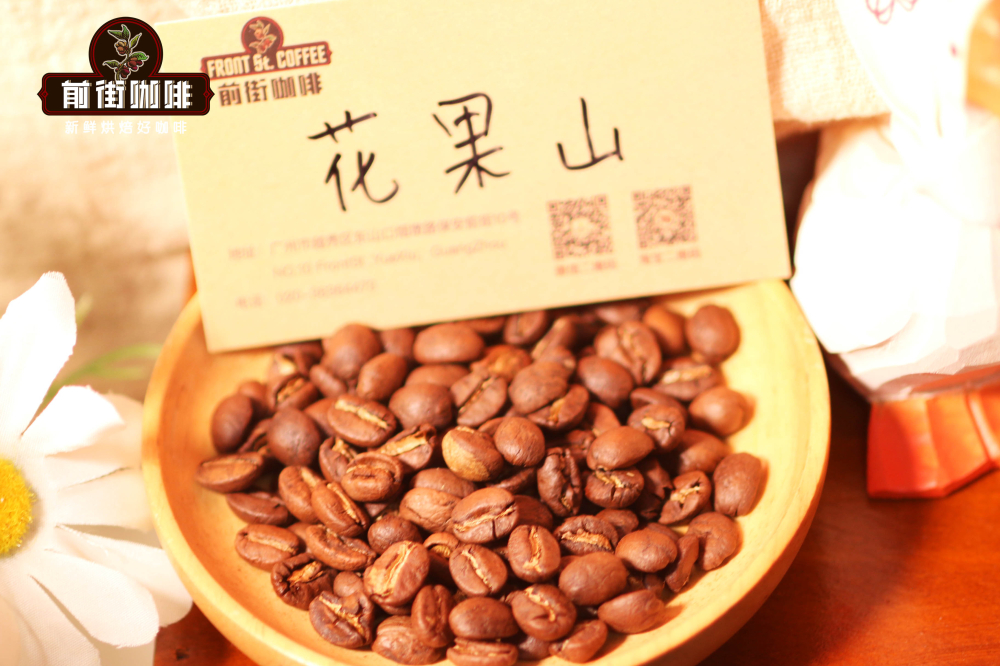
Flavor Characteristics and Roasting Strategy of Typica Combining both samples, Yunnan Typica generally exhibits medium-low acidity and medium body, with a core flavor profile centered around citrus fruit acidity, brown sugar sweetness, and a nutty finish. Practitioners recommend using a medium roast (Agtron around #55–#65), which retains the vibrancy of acidity while developing sufficient body for support. For pour over, the V60 filter cone is recommended, paired with medium-fine grind (such as EK43s setting 8–10, equivalent to 70%–75% passing rate on a #20 sieve) and a water temperature of 90–93°C. Brewing with medium-fine water flow in circular pours can effectively balance the expression of acidity, sweetness, and bitterness. A common mistake is over-pursuing high-temperature extraction, which can instead amplify Typica’s inherent astringency.
Espresso Extraction Practical Parameters For coffee enthusiasts looking to try SOE (Single Origin Espresso), medium-roast natural Typica is an excellent choice. For commercial machines (such as Lelit Bianca), a recommended dosage is 18–20 grams (double basket), with an extraction ratio of 1:2 (40-gram yield), and time controlled within 28–30 seconds — too short results in thin flavor, while too long can produce burnt bitterness. For home machines, as long as 9-bar pressure is achieved, the dosage can be adjusted to 16–18 grams. The grind should be finer than for pour over (close to the grind size for filter drippers at a 1:15 ratio), to ensure sufficient resistance. After pulling the shot, you can add hot water at a 1:4 ratio to make an Americano, with the added water suggested at 85–90°C to bring out layers such as plum, dried apricot, and cream chocolate.
During actual operation, first thoroughly dry the portafilter basket, weigh out 20 grams of coffee grounds, distribute them evenly, and then tamp vertically with a tamper to a pressure of 30–32 pounds (approximately 13–14 kilograms) to ensure consistent puck density. During the pre-infusion (bloom) phase, inject 30 grams of water and wait 30 seconds for CO₂ release, then proceed with pulsed pouring to reach the target yield. During extraction, observe the flow rate: the ideal scenario is uniform release of golden crema. If channeling (localized fast flow) occurs, check the puck compaction or grind uniformity.
In summary, although Yunnan Typica is not a mainstream market variety, it offers coffee enthusiasts the opportunity to explore the depth of small-bean varieties with its unique regional flavors and flexible processing options. Whether you prefer the fresh fruitiness of Baoshan washed or the rich sweetness of Lincang natural, by adjusting extraction parameters, you can showcase the diverse potential of this ancient variety.
The above content is compiled by CoffeeHunters, a coffee news website.


