








Introduction:During the peak of summer, iced coffee becomes the go-to choice for many consumers. But can you clearly tell the difference between cold brew, ice drip, and Americano on ice? Especially when it comes to ice drip coffee, why is its price often higher than other types of iced coffee? This article provides a comprehensive comparison of ice drip and other cold brewing methods—from brewing principles and equipment, to time investment and flavor characteristics—while also delving into the key factors behind its relatively high pricing. Whether you’re a coffee enthusiast or industry professional, you’ll gain practical insights and useful references.
As temperatures rise, so does the demand for iced coffee. However, many people often feel confused when ordering, unsure about the specific differences among “cold brew,” “ice drip,” and “Americano on ice.” Especially with ice drip coffee, not only is the brewing process more complex, but the price is generally higher as well. What’s the reason behind this? Based on actual brewing experience, this article will take an in-depth look at the craftsmanship behind ice drip coffee—from extraction methods and equipment design, to time investment and ingredient selection—and compare its similarities and differences with other types of iced coffee, helping readers develop a clearer understanding.
Iced coffee available on the market can generally be divided into two main categories: one is made by extracting with hot water first and then cooling it down with ice cubes, such as the common iced Americano and iced pour over; the other involves letting water slowly seep through coffee grounds at low or room temperature to gradually extract the flavor compounds. Ice drip coffee falls into the latter category and is the most well-known method of this type.
In contrast, cold brew coffee (also known as cold steeped coffee) has a lower barrier to entry. It simply involves placing coffee grounds and cold water together in a container and letting it sit for several hours, then separating the coffee grounds using filter paper or a filter. As long as you have a refrigerator, coffee grounds, a large container, and basic filtering materials at home, you can easily make it. However, ice drip coffee requires a specialized dripping system, commonly referred to as an “ice drip kettle.”

Although ice drip kettles come in a wide variety of designs—with significant differences in appearance and price, ranging from affordable options at just a few dozen yuan to high-end ones costing over a thousand—their basic structure is largely the same. They typically consist of three main parts: the top chamber holds the ice water and features an adjustable valve to control the dripping speed; the middle filter basket holds the coffee grounds; and the bottom chamber collects the extracted coffee liquid. The ice water drips very slowly—usually one to two drops per second—onto the coffee grounds, and through gravity, the flavor compounds gradually dissolve and flow into the bottom chamber.
Taking practical operation as an example, making a pot of ice drip coffee often takes a considerable amount of time. When using a Tiamo HG2713 three-layer ice drip kettle, a common coffee-to-water ratio is 1:10—that is, 60 grams of coffee grounds yield 600 milliliters of coffee liquid. The dripping frequency is about 7 to 8 drops every 10 seconds, and the entire extraction process can take as long as 5 to 8 hours, sometimes even longer, depending on the dripping speed and the amount of coffee used. Additionally, the drip spout can easily become clogged in low-temperature environments, requiring occasional adjustments to the valve to ensure a steady drip.

The extraction process of ice drip coffee is dynamic, unlike the static immersion method of cold brew. During the ice drip process, fresh cold water continuously passes through the coffee grounds layer, and after filtration, forms fresh coffee liquid. Therefore, ice drip coffee made from the same coffee beans usually has a cleaner, crisper taste with fewer off-flavors. In contrast, cold brew, due to the prolonged static contact between coffee grounds and water, tends to produce a richer mouthfeel and is more likely to bring out certain undesirable sedimentary flavors.
Besides the lengthy brewing time, the choice of ingredients also affects the pricing of ice drip coffee. To highlight the unique richness and wine-like character of ice drip, while reducing the potential for lingering off-flavors caused by extended extraction, many shops opt for high-quality single-origin beans with distinct and fruity profiles, rather than the more commonly used blended beans. These single-origin beans often exhibit pronounced floral and fruity notes, and even fermented wine-like aromas. Through the dual effects of slow drip filtration and low-temperature aging, they can deliver a more delicate and layered taste, with a fruit wine-like fermentation texture and bright acidity, giving ice drip coffee its unique flavor appeal.
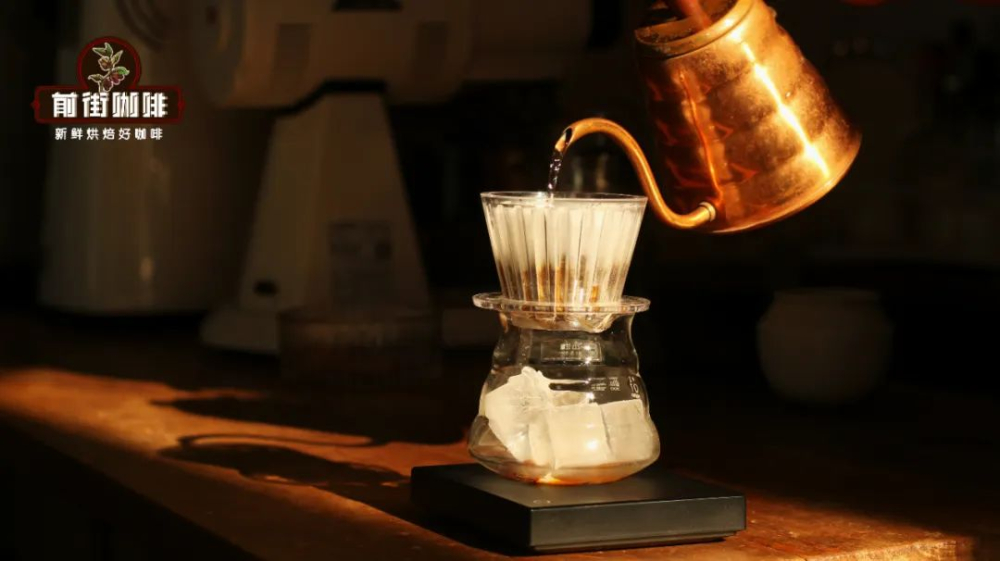
Finally, it’s worth mentioning the relationship between cost and pricing. One of the main reasons ice drip coffee is priced higher is not only due to the time and equipment involved, but also because it typically uses more coffee grounds. For example, making a 600-milliliter pot of ice drip coffee may require 60 grams of coffee grounds, which can ultimately only be portioned into about 3 cups (each with around 200 milliliters plus ice). But if using a pour over method, the same 60 grams of coffee beans could brew over 4 cups (each with about 15 grams). Therefore, in terms of raw material costs and output efficiency, the price of ice drip coffee is naturally higher.
Of course, price is not the only criterion for judging the quality of a cup of coffee. There are also many affordable ice drip coffees on the market with great value. As long as the barista precisely controls the extraction parameters during the brewing process, pays attention to flavor balance, and uses high-quality coffee beans, equally impressive taste profiles can be achieved. Overall, ice drip coffee is not just a brewing technique, but also a coffee experience that emphasizes patience and attention to detail.
The above content is compiled by CoffeeHunters, a coffee news website.


