








Introduction:To understand whether a pour over coffee is good or not, you can't rely solely on taste intuition alone. The Golden Cup theory uses two key metrics—extraction yield and concentration—to help you scientifically evaluate the extraction status of your coffee. This article takes an in-depth look at the definitions and ideal ranges of these two factors, and walks you through the practical steps—from measuring concentration to calculating extraction yield—so you can precisely dial in the extraction balance of every cup.
In the world of pour over coffee, judging whether a cup has been extracted properly can't be based purely on subjective feelings like “tastes good” or “doesn't taste good.” The Golden Cup extraction theory introduces two scientific indicators: extraction yield and concentration, which help coffee enthusiasts more objectively assess extraction quality. While coffee that falls within the Golden Cup range usually has a more balanced flavor, this isn’t always the case—coffee outside the range can still turn out surprisingly delicious. The key lies in how you use these data points to adjust and find your personal optimal extraction recipe.
First, let’s clarify what coffee extraction yield means. Simply put, extraction yield refers to the proportion of soluble substances successfully dissolved from the coffee grounds compared to the total amount of coffee grounds used. Typically, only about 30% of the substances in coffee beans are water-soluble, while the remaining 70% consists mainly of insoluble fibers—that is, the coffee grounds we see left over in the end.The Golden Cup theory recommends an extraction yield range of 18% to 22%.Going beyond this range may result in over-extracted bitterness or under-extracted sharp acidity.

As for concentration, it refers to the proportion of the extracted coffee substances in the final brewed coffee liquid. Coffee with high concentration tends to have a rich and layered flavor, but it can also become unbalanced if too intense; low-concentration coffee often tastes thin or watery. According to the Golden Cup standard,the ideal concentration range is 1.15% to 1.45%,which is considered the most comfortable taste range for most people.
So, how can you find out the extraction yield and concentration of the coffee you've brewed? That’s where some tools come in to help with measurement. Currently, there are two common methods: using a TDS (Total Dissolved Solids) pen, or using a professional coffee concentration meter. Both have their pros and cons, and are suited to different needs among coffee enthusiasts.
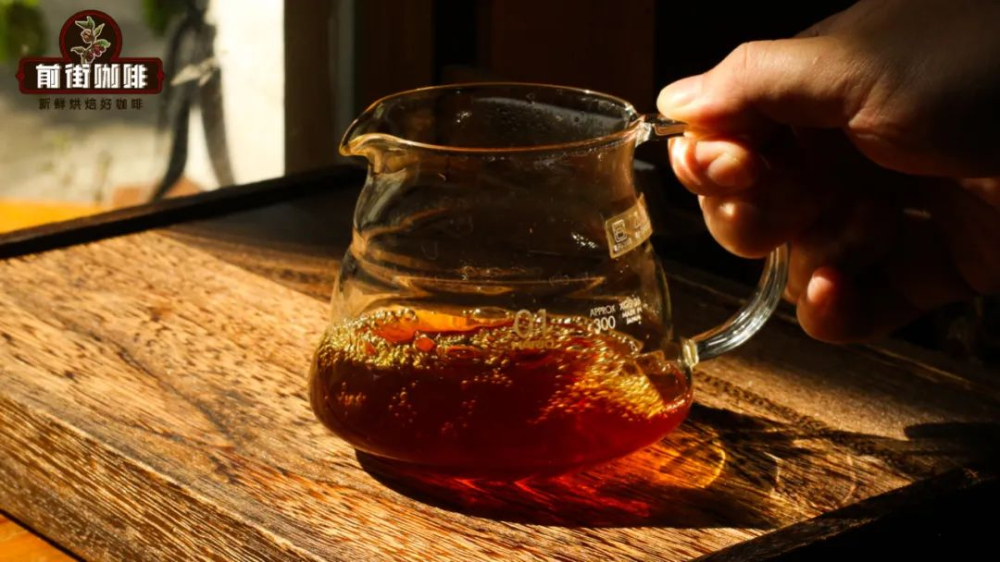
A TDS (Total Dissolved Solids) detector pen is originally a tool used to measure the total dissolved solids in water, but it can also indirectly estimate coffee concentration. It measures the electrical conductivity of the liquid and converts it into an approximate TDS value, thereby estimating the coffee concentration. This type of tool is affordable and suitable for everyday use, but its accuracy is limited—the readings are for reference only, with an error of around ±0.1%.
If you're aiming for higher precision, a coffee concentration meter is a better option. This device uses the principle of refraction to directly measure the concentration of dissolved solids in the coffee liquid, delivering fast and accurate results. It's commonly used in professional coffee shops or competition settings. However, its price typically starts from 2000 yuan or more, making it less accessible for the average consumer.

Now that we’ve covered the tools, let’s go through a practical operation. Starting with the brewed coffee liquid, we’ll measure the concentration and then calculate the extraction yield. Suppose we use 15 grams of coffee grounds, with a 1:15 coffee-to-water ratio (i.e., 225 milliliters of water), and end up with about 194 milliliters of brewed coffee (approximately 30 milliliters absorbed by the coffee grounds). Although we won’t go into detail about the brewing steps here, maintaining stable parameters is essential for accurate measurement.
First, we measure the concentration of this cup of coffee using both a TDS pen and a concentration meter. Using a TDS pen is very simple—just insert the probe into the coffee liquid, and the reading will be displayed in ppm (parts per million). To convert it to a percentage, simply divide the number by 1000. For example, if the reading is 1430 ppm, that translates to a concentration of 1.43%. As for the concentration meter, you need to use a dropper or small spoon to take a small amount of coffee liquid and place it on the instrument’s measuring prism. Once activated, it will directly display the concentration, usually around 1.47%. Due to temperature influence, it's recommended to take multiple measurements and calculate the average.
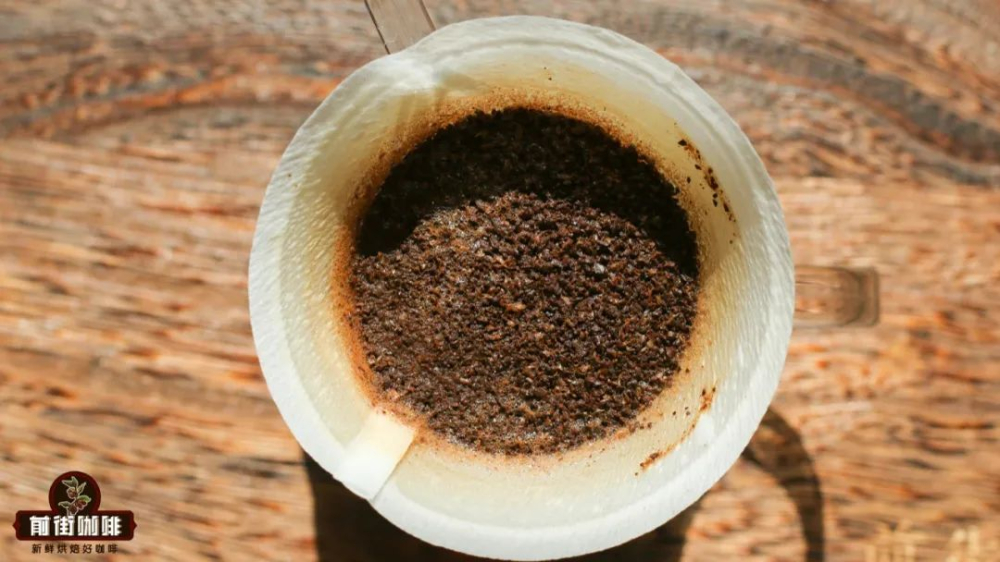
Once you have the concentration value, you can apply the formula to calculate the extraction yield. The basic formula for concentration is:Concentration = Weight of soluble substances in coffee ÷ Total weight of coffee liquid; andExtraction yield = Weight of soluble substances in coffee ÷ Weight of coffee grounds. By combining the two, you get:Extraction yield = Coffee liquid concentration × Coffee liquid weight ÷ Coffee grounds weight.
Taking this example, using the 1.47% concentration measured by the concentration meter, with the coffee liquid weighing 194 milliliters (approximated to 194 grams) and the coffee grounds weighing 15 grams, plug the values into the formula: 1.47% × 194 ÷ 15 ≈ 19.01%. This means the extraction yield of this cup of coffee is approximately 19.01%, falling within the Golden Cup-recommended range of 18%–22%, which is considered ideal.
Through such hands-on measurement and calculation, you’ll be able to more scientifically understand the extraction status of your pour over coffee. When you feel that a particular brew doesn’t taste quite right but aren’t sure what went wrong, try measuring the concentration and extraction yield to determine whether it was over-extracted or under-extracted. Then fine-tune variables like coffee-to-water ratio, water temperature, and grind size, gradually honing in on your perfect extraction curve.

The above content is compiled by CoffeeHunters, a coffee news website.


